Production
Explore practical tutorials, workflow deep dives, and creative techniques designed to help you get the most out of the platform.
Thank you! Your submission has been received!
Oops! Something went wrong while submitting the form.
Production

AI Video Model Speed Comparison: LTX-2.5, Veo, Kling, Seedance & More
AI video generator comparison with real render times: LTX-2.5 makes a 10s clip in 6.8s self-hosted, while Veo 3.1, Seedance and Kling take 70s to 398s.

LTX-2.5 Prompt Enhancer: Understanding Gemma 4 With LTX
The LTX-2.5 prompt enhancer uses Gemma 4 E2B to expand your prompts before encoding. See where it runs, when to switch it on, and when to leave it off.

Voice Cloning With LTX: Reference Audio, ID-LoRA & Dub-It
AI voice cloning with LTX: clone a voice from 5 seconds of reference audio with ID-LoRA, or re-voice existing footage with Dub-It. Setup and limits inside.

What Is ID-LoRA? Voice & Face Identity
ID-LoRA generates a talking video with a reference voice and face in one pass on LTX. How it works, the prompt format, settings, and LTX-2.5 compatibility.

AI In Game Development: Cinematics, Concept Motion & World Models
AI in game development, stage by stage: concept motion, AI game cinematics, trailers and world models with LTX-2.5, plus the key settings and hard limits.

ComfyUI Cloud Setup For LTX-2.5
Run LTX-2.5 in ComfyUI on a cloud GPU. Size VRAM and disk, install ComfyUI-LTXVideo, place each model file, and skip the setup errors that burn hours.

Best Open Source Text-to-Speech Models
Six open source text to speech models compared on licence, languages, voice cloning and footprint, with the licence traps that decide what you can ship.

Should I Rent, Buy Or Burst My GPU: GPU Costs For Video Generation
Rent, buy or burst GPUs for AI video? Compare H100, H200 and RTX 5090 costs against per-second APIs, and find the utilization point where each one wins.

Deploying LTX-2.5 On-Premise: Requirements and Setup
What it takes to run LTX-2.5 on your own hardware: the VRAM floor, CUDA and attention backends, the gated weight download, and what the license costs.
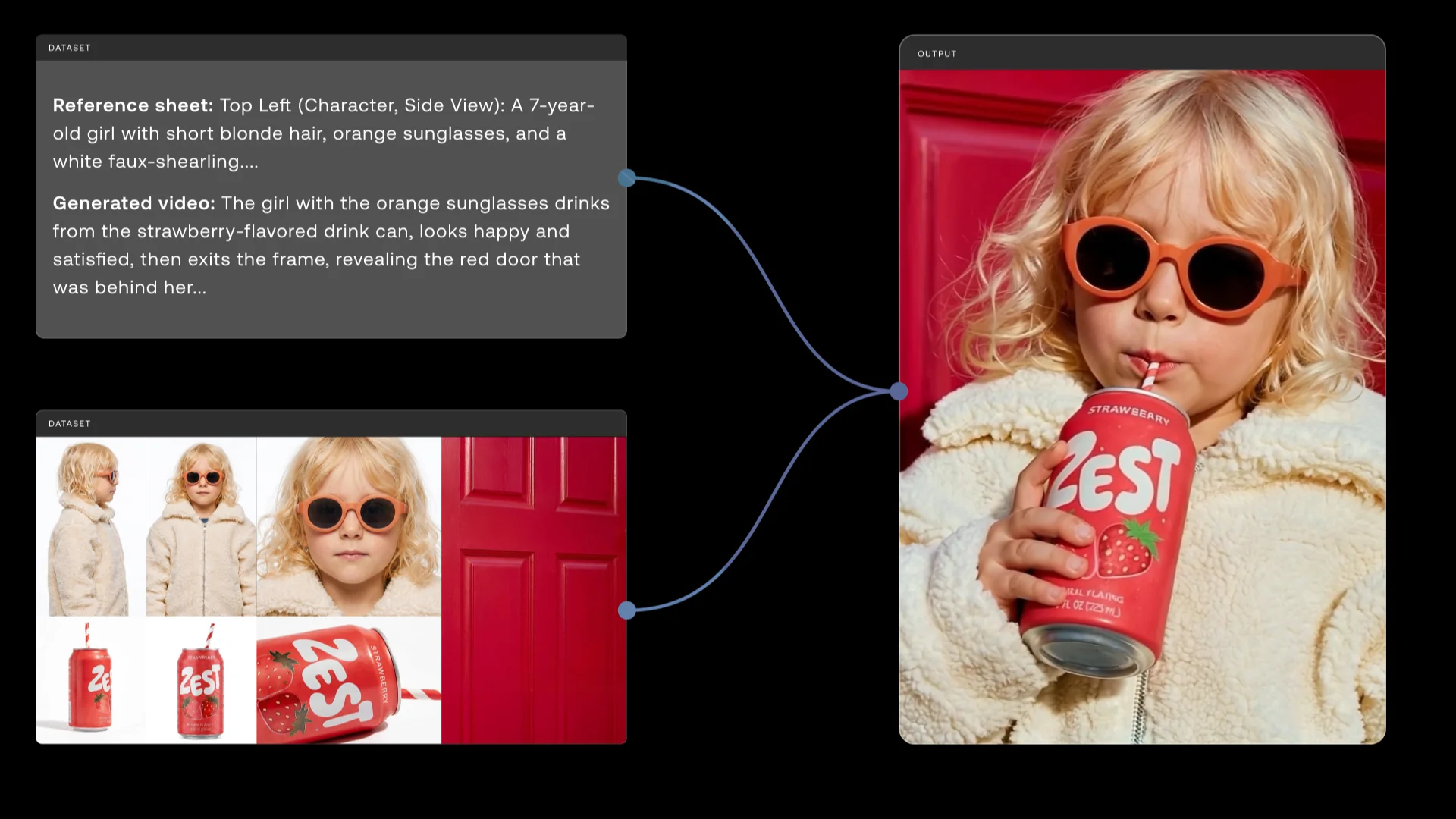
Guidance, Steps & Samplers: Settings That Change Your Video Output
Classifier-free guidance, denoising steps and samplers in LTX-2.5, what each control changes in a generated video, and which values to reach for first.

GGUF vs Safetensors: Model File Formats for Video Generation
GGUF or safetensors for video models? Compare what each format stores, how quantization works, the VRAM impact, and which LTX-2.5 file you should download.
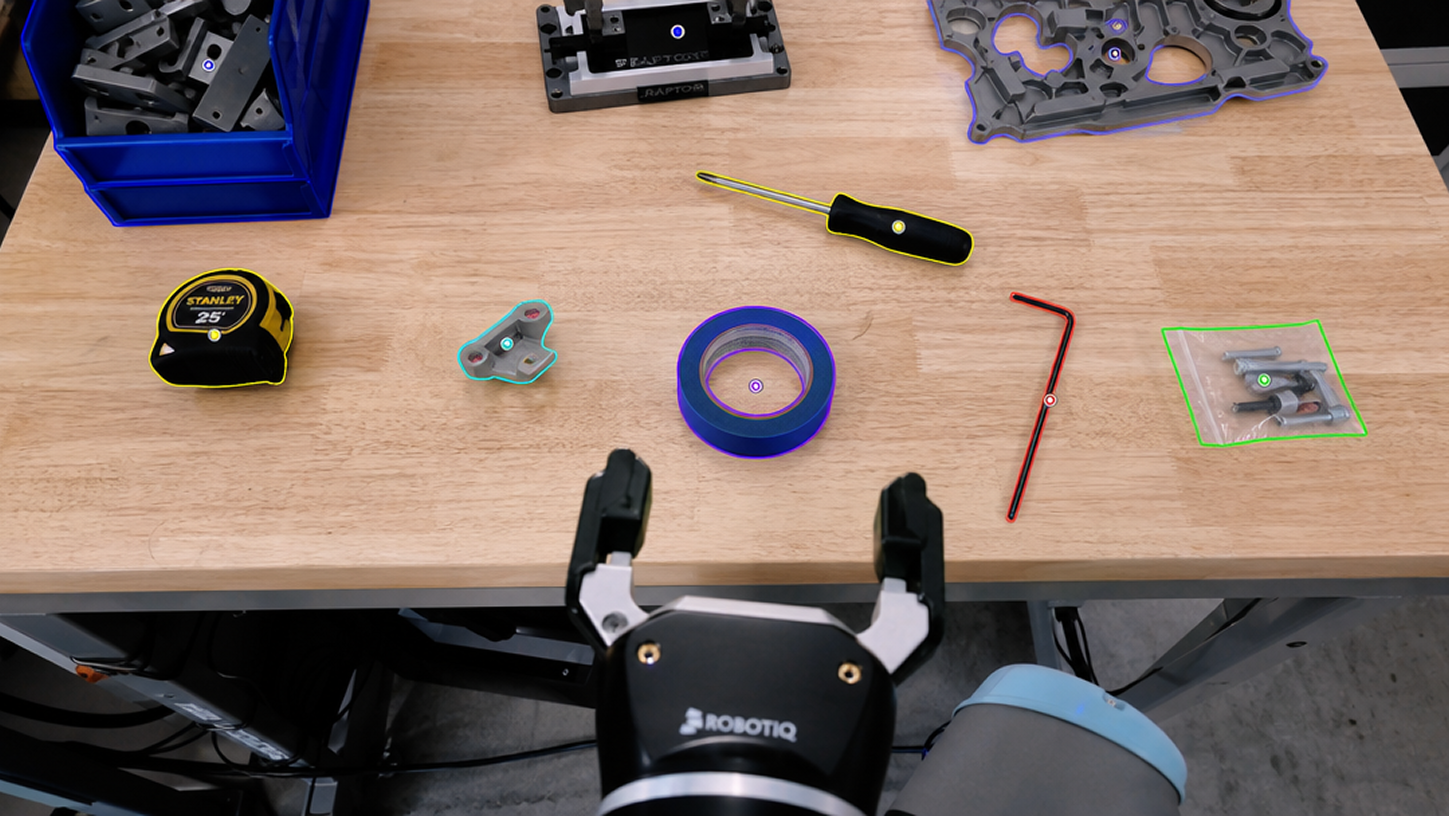
Private Deployment of AI Video Models: On-Premise Benefits & Meaning
Why enterprises run AI video models privately: data privacy, IP protection, and cost control, plus how LTX-2.5 supports local and on-premise deployment.

What Training Data Do You Need To Fine-Tune A Video Generation Model?
What training data do you need to fine-tune a video generation model? A practical guide to datasets, clip rules, and captions for LTX-2.5 LoRA training.

What Is Model Distillation? Dev vs Distilled Explained
Model distillation explained for video generation, and exactly how the LTX-2.5 dev and distilled transformers differ on steps, pipelines and memory use.

Video-to-Video With Open Models: Restyle, Transform & Structure Control
Video-to-video AI with open models. How the LTX-2.5 pipelines restyle footage, hold structure and render HDR output, and which one to run for a given job.
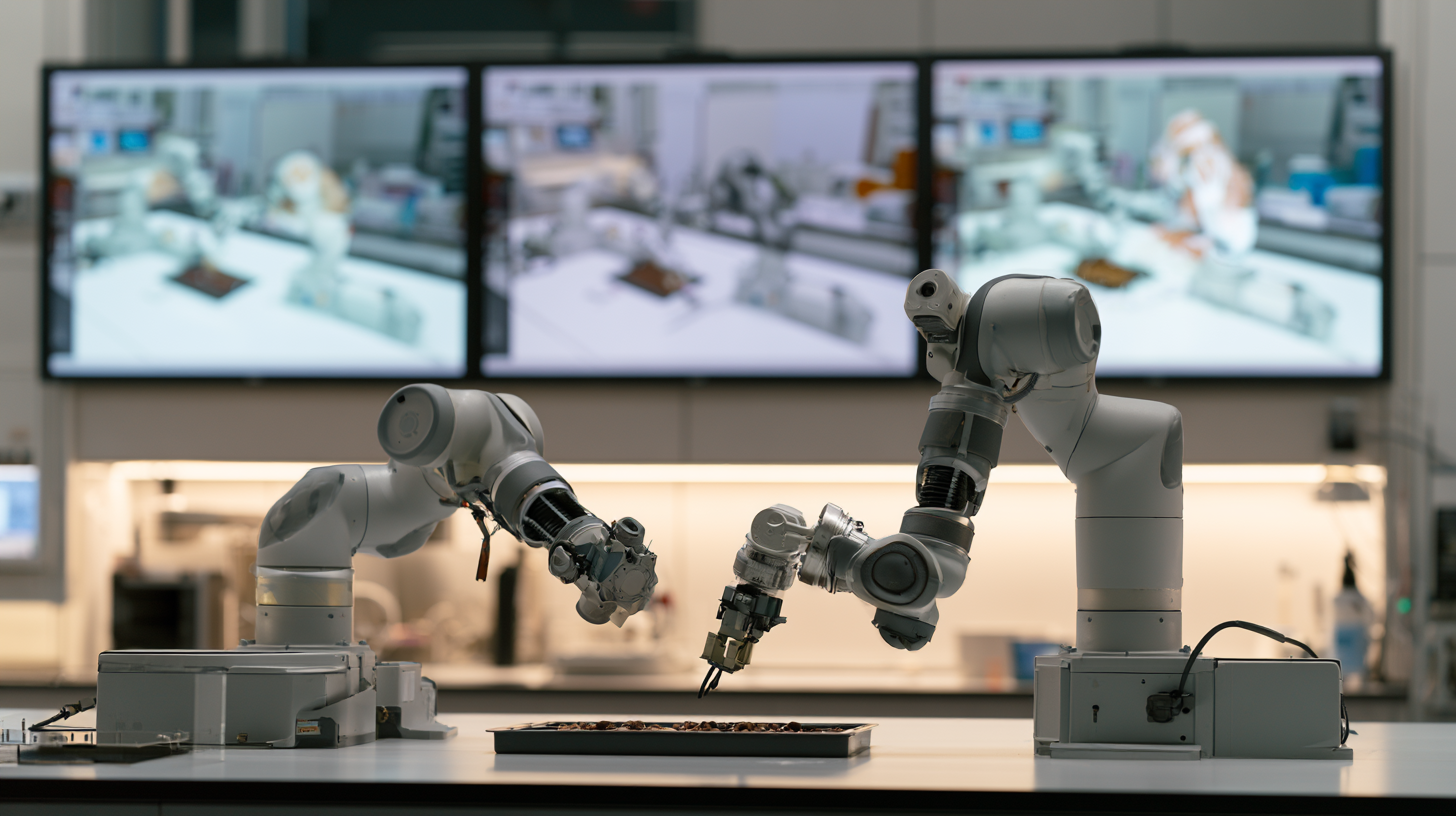
Synthetic Data Generation With World Models For Robotics, AV & Computer Vision
How world models generate synthetic data for robotics, autonomous vehicles, and computer vision, and where open models like LTX-2.5 fit in the pipeline.

Best 5 Video Generation APIs In 2026 (Compared)
Comparing the best video generation APIs in 2026 by access model, deployment, native audio, and pricing, so you can choose the right one for production.

LTX-2.5 VRAM & Cost Calculator
Work out exactly how much VRAM LTX-2.5 needs for your resolution and clip length, what your levers are when it does not fit, and what a generation costs.

Where To Run LTX-2.5: Self-Host, API, Or Hosted Platform
Four ways to run LTX-2.5 compared: the LTX API from $0.09 a second, self-hosting the open weights, Hugging Face, and platforms like fal and Replicate.

How To Evaluate A Video Generation Model
AI model benchmarks rarely answer your question. A repeatable method for evaluating a video generation model on the footage and hardware you actually have.

Multimodal Conditioning In Video Generation Explained
Combine text, image, keyframe, and reference video signals to steer AI video. LTX-2.5 conditioning taxonomy, decision matrix, failure modes.

Free AI Video Generation: What Open Weights Actually Means
Free AI video generation means two different things. One is a credit-limited trial. The other is open weights you download and run. Here is the difference.

Understanding LTX's API Pricing: How to Estimate Your Spend
How LTX API pricing works: the per-second cost by model tier and resolution, the SKU system, prepaid vs postpaid billing, and how to estimate your spend.

Water Simulation: How To Add Water To A Video With AI
Adding water to a shot no longer needs a fluid solver. Here is how to pick a pipeline, write the prompt, fix a bad take, and get the element into comp.

How To Fine-Tune LTX: A Practical Guide
A practical guide to fine-tuning LTX-2.5. Learn LoRA versus full fine-tuning, hardware needs, dataset prep, config, and running your own trained model.

AI Motion Synthesis For Animation With LTX-2.5
How AI motion synthesis fits an animation pipeline from blocking to final render, using LTX-2.5 keyframe interpolation, IC-LoRA motion transfer, and STG.

AI Video Trends: AI Video Predictions For 2026 & Beyond
Discover 2026’s AI video trends and future predictions. See how AI will transform video marketing, creation workflows, and audience engagement.

AI Video Resolution Guide: HDR, 4K, 1080p & More
An AI video resolution guide to 4K vs 1080p in AI video generation, native vs upscaled output, and how LTX-2.3 reaches higher resolution with upsampling.

Open Source vs Closed Source Video Models
Open source vs closed source AI video models compared: control, cost, IP, and deployment, plus where an open source ai video generator like LTX-2.5 fits.

Integrating AI Video Generation Into A VFX Pipeline
A practical guide to integrating AI video generation into a VFX pipeline with LTX-2.5: where it fits, which pipeline to use, and how to move the frames.
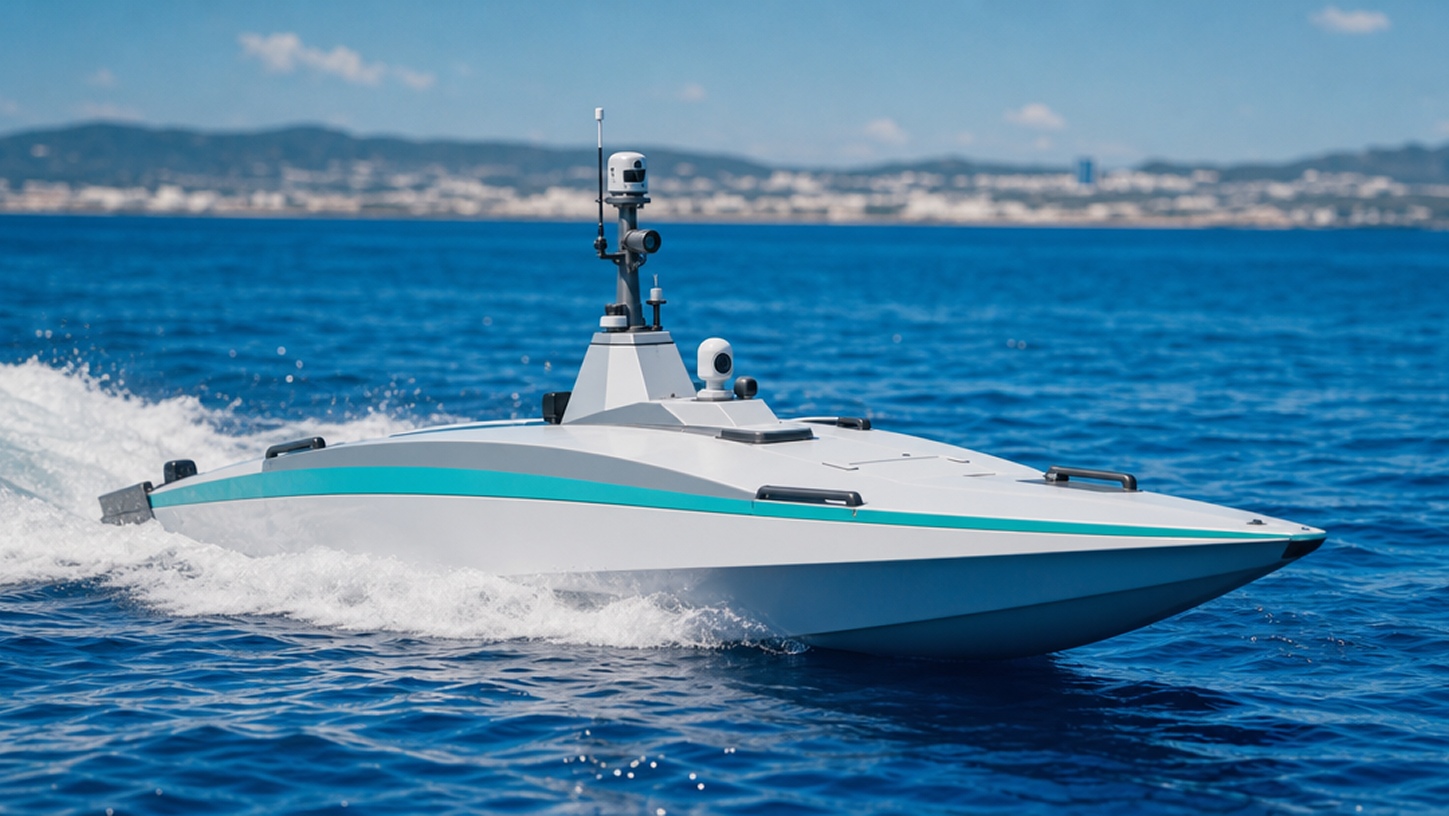
LTX is Part of the NVIDIA Cosmos Coalition: What It Means for Open World Models
LTX joins NVIDIA's Cosmos Coalition as a founding member alongside Runway, Black Forest Labs, and Skild AI, building on the new Cosmos 3 model.

How Much Does AI Video Generation Actually Cost? (2026 Guide)
Explore the true cost of AI video generation. We explain the technology, future trends, and specific business use cases for AI video generators.
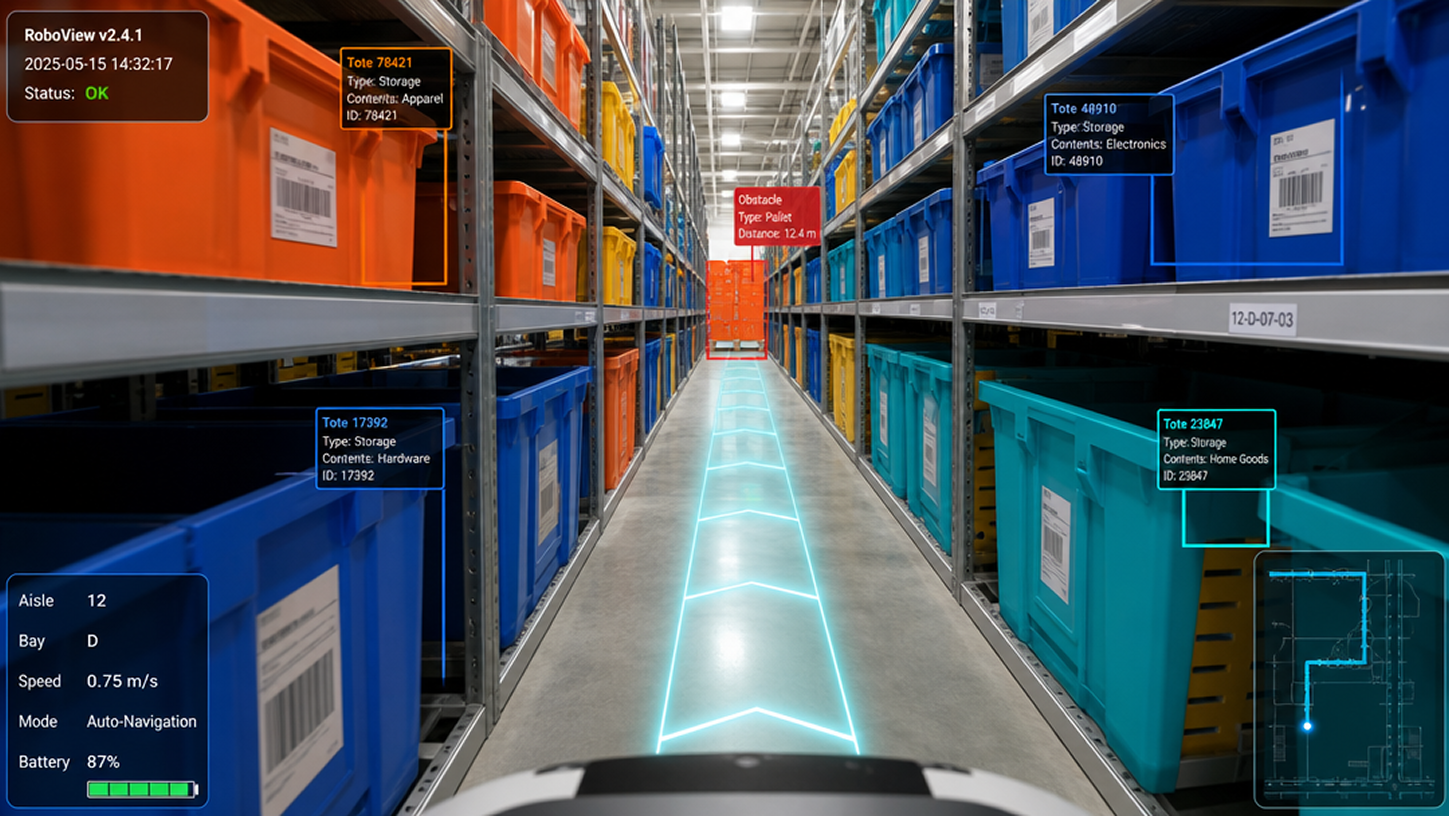
Best World Models in 2026 (Open & Closed)
The best world models for physical AI and real-time environments in 2026, ranked on openness, speed, and what you can actually build on.
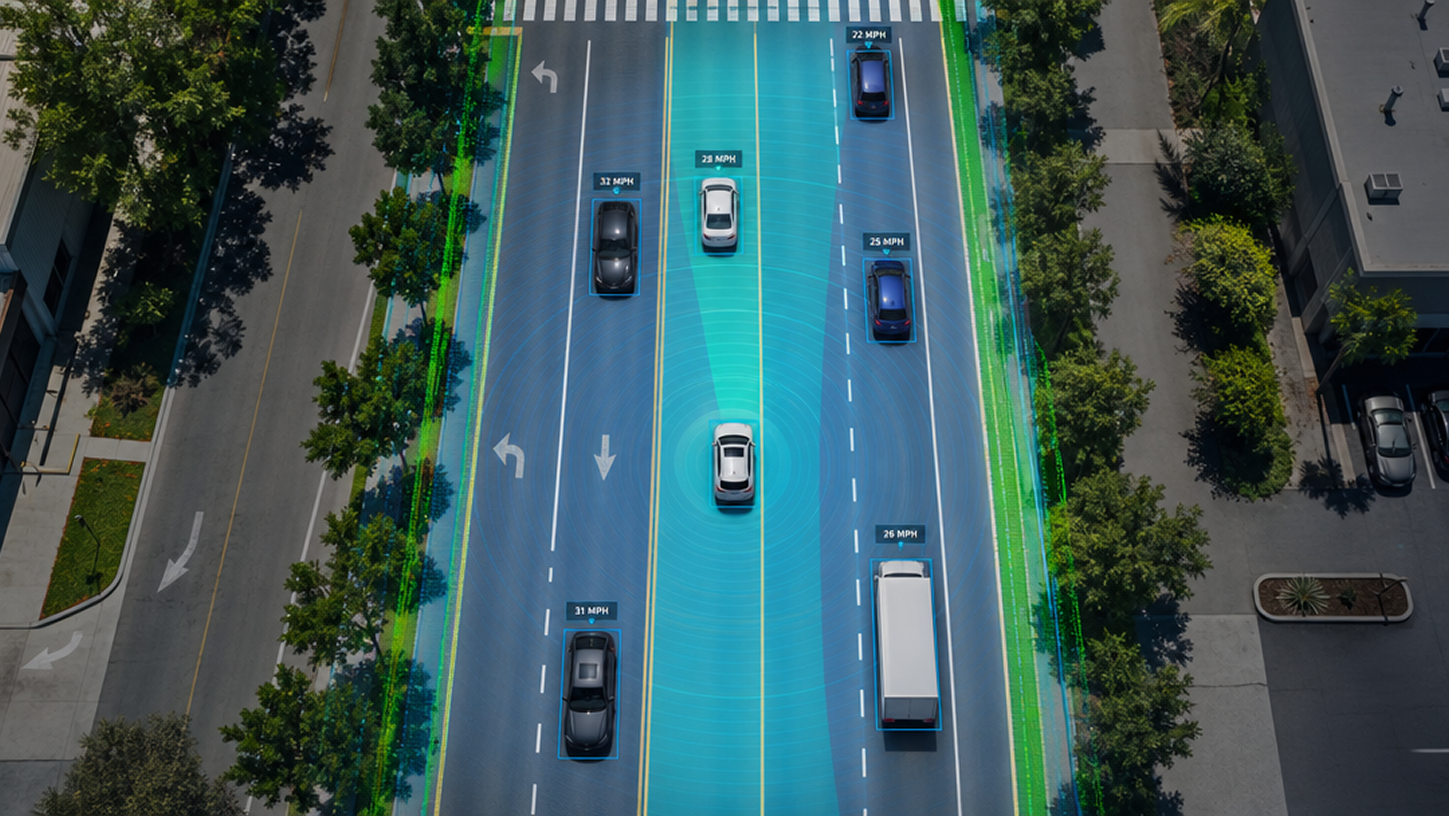
World Models vs. LLMs: What's the Difference & Why It Matters
World models vs. LLMs: same table, different jobs. See how each predicts, where each breaks, and how LTX-2.5 fits into the world model side.
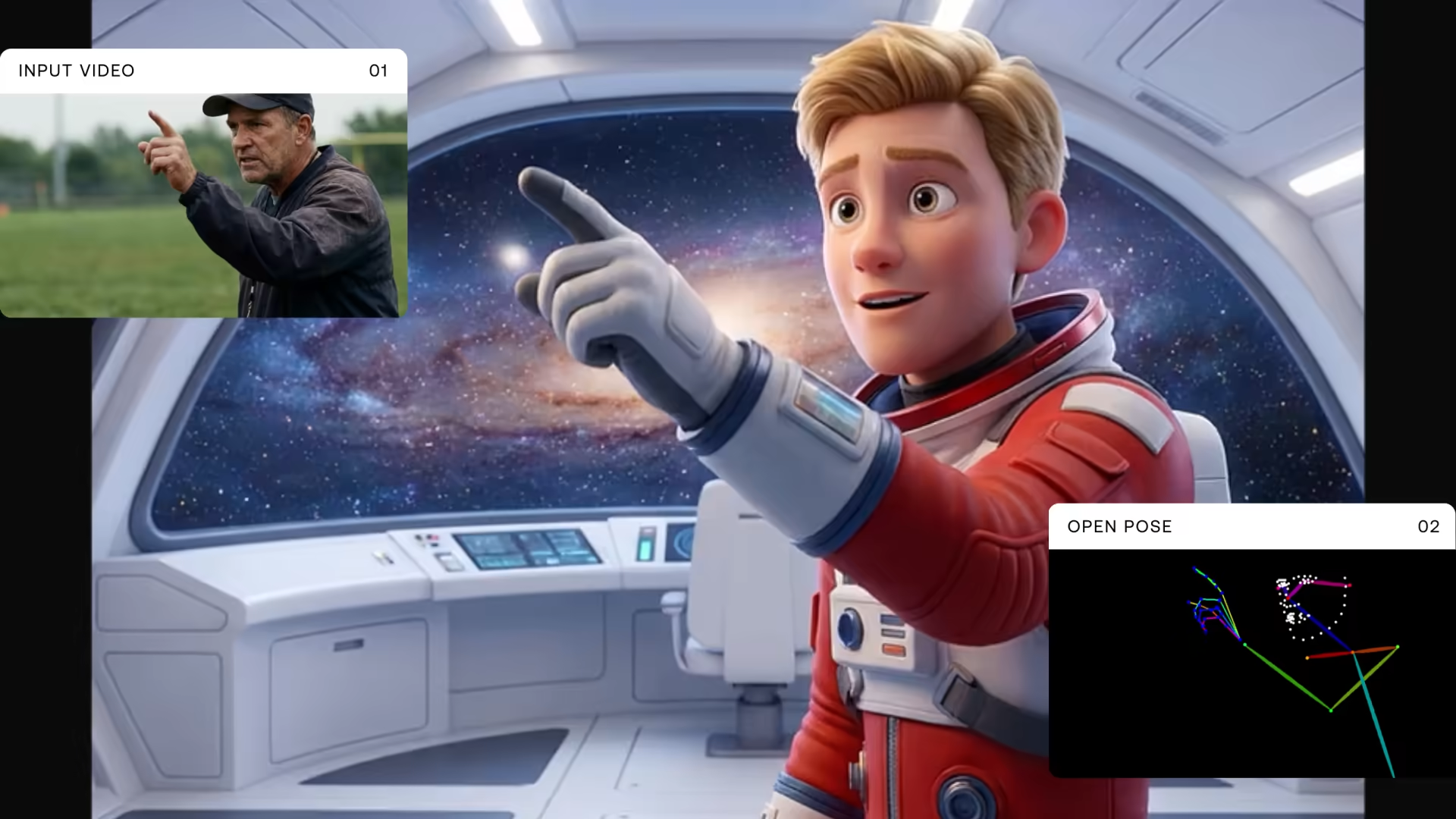
Domain-Specific Prompting for LTX-2.3: VFX, Animation & More
A prompting guide for LTX-2.3 with domain vocabulary from VFX, animation, and restoration. Templates, before/after examples, common mistakes.

AI Crowd Generation: Prompting Techniques for Background Characters & Extras
Prompt LTX-2.3 for believable crowd shots and extras. Use density modifiers, shot framing, and IC-LoRA controls to avoid duplicate faces.

How To Generate AI Stock Footage (2026 Guide)
Generate AI stock footage and b-roll with LTX-2.3. A guide for agencies and producers covering workflow, prompt templates, licensing, and cost at scale.

Directing Dialogue and Acting: How to Prompt for Character Speech, Pauses & Emotional Beats
Learn how LTX-2.3's new gated-attention text connector changes dialogue prompting with the segmentation pattern, acting cues, and worked examples.

Bring Silent Videos to Life: Foley LoRA For LTX-2.3
Foley LoRA for LTX-2.3-22B generates synchronized, realistic sound effects directly from silent video — footsteps, impacts, weather, machines. No speech or music.

What Is Conditioning in Generative AI (2026 Guide)?
Conditioning provides the control signals that guide an AI video model toward a desired result. Learn how it works in LTX.

Relight Exterior Footage to Any Sun Direction: Relight IC-LoRA For LTX-2.3
Relight IC-LoRA for LTX-2.3 rewrites sunlight in exterior footage to any direction and look using a light-direction sphere. Full relight in a single pass.

Remove People and Shadows from Video: Clean Plate LoRA
Clean Plate LoRA for LTX-2.3 removes people, vehicles, and their shadows from video, then inpaints a seamless background in a single pass. No manual roto.

Turn Static Frames Into Looping Motion: Cinemagraph LoRA
Cinemagraph LoRA for LTX-2.3: animate a single element while everything else stays perfectly frozen. Generate seamless loops from one image and prompt.

Best 6 Text To Video AI Generators (2026)
Discover the best text to video AI tools of 2026. Transform scripts and text into professional videos—features, quality, and pricing compared.

Best Enterprise Video Platforms In 2026
Compare the best enterprise video platforms for 2026. Explore AI-powered creation tools and secure hosting solutions for large organizations at scale.
Open Source Video Generation Models (2026 Landscape Guide)
Compare the top open source video generation models in 2026. LTX-2.5, WAN 2.2, HunyuanVideo, and CogVideoX. Covers VRAM requirements, licensing, and how to choose for your workflow.

Corporate Video Production: What It Costs & How To Do It
Explore 2026 corporate video production costs and see top examples. Learn how to plan, budget, and create effective videos for any business.

Creative Trends Mid-Year Report: Top 7 Trends Happening In 2026
From AI pre-viz to audio-driven video, discover the 7 trends reshaping creative production in 2026. See how studios and agencies are already moving faster.
No items found.
