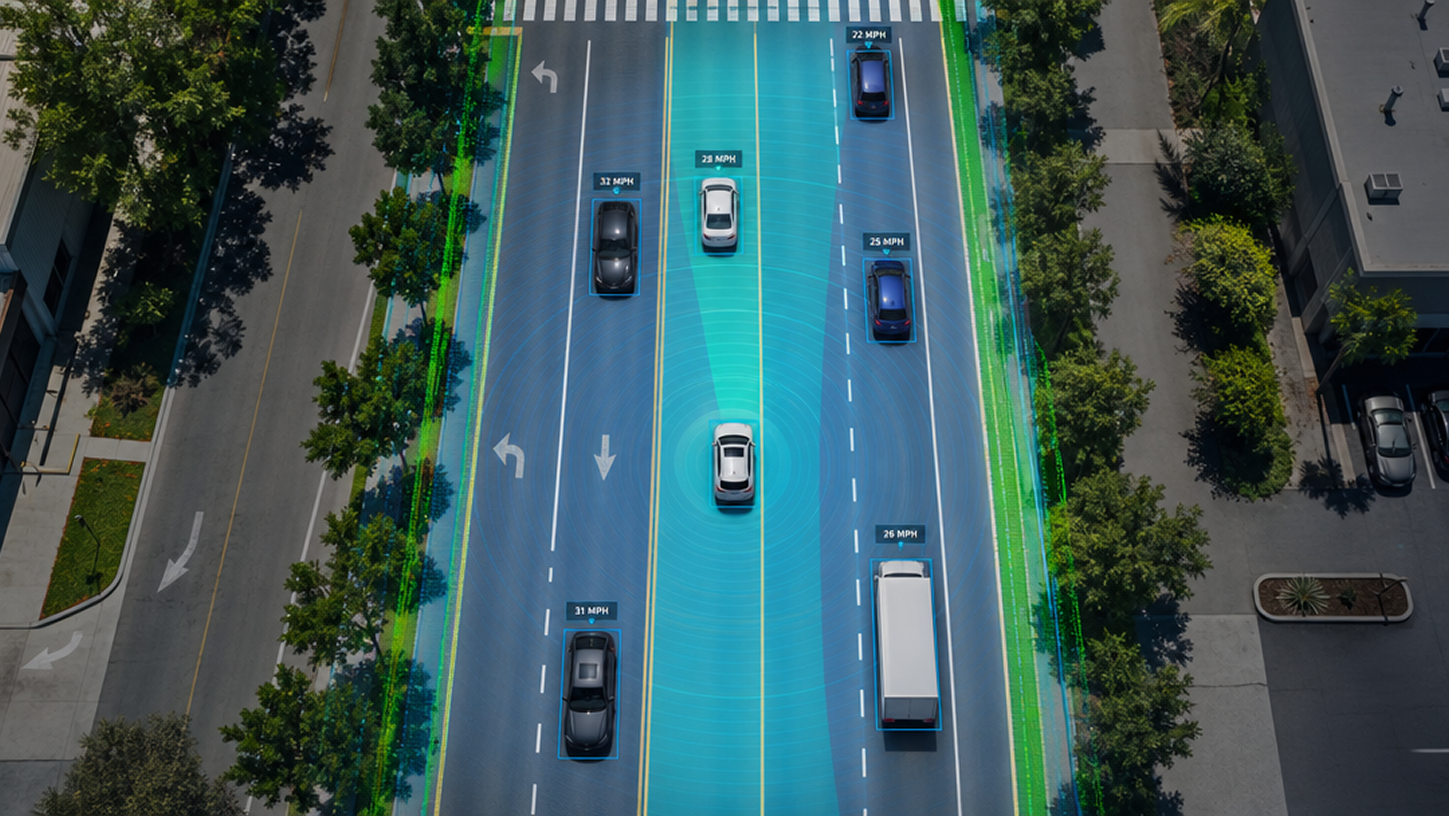
- LLMs predict the next word in text; world models predict the next state of an environment — one solves language problems, the other solves physical/simulation problems.
- Each has its own failure mode: LLMs hallucinate and lose track of state over long sequences, while world models drift over long predictions and struggle to generalize across environments.
- LTX-2.5 is an open world model that both generates connected video shots and ships as a pretrained checkpoint teams can adapt toward robotics, autonomous vehicles, and other physical AI domains.
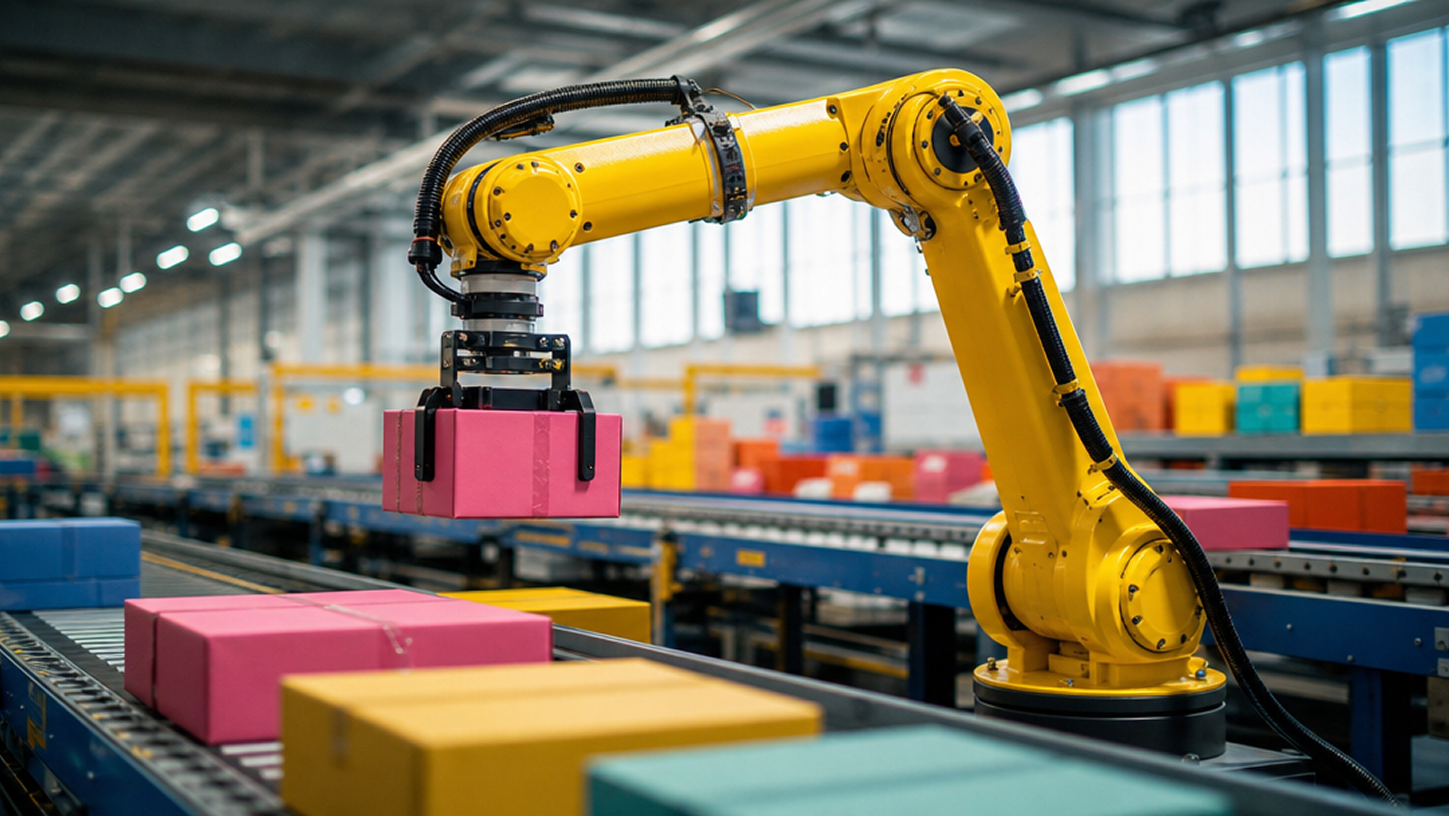
Ask a large language model to describe what happens when a robot arm knocks a stack of boxes off a conveyor belt, and it will do it well. Ask it to control that robot arm in real time, and it has no idea what's actually about to happen.
That gap is the reason "world models" have become one of the most discussed terms in AI, and one of the most misunderstood.
LLMs and world models are often talked about like competing technologies. They're not. They're built to answer two different questions, and mixing them up leads to real production mistakes: teams trying to get a language model to do a simulator's job, or assuming a world model can replace a chatbot.
Not every AI problem is a language problem. These are problems about worlds, not just words.
Here's the actual difference, how each works, where each breaks, and why the distinction is starting to matter for a lot more than robotics labs.
What LLMs Are Actually Good At
A large language model is trained to predict the next token in a sequence. Feed it enough text, and it gets very good at producing coherent, contextually appropriate language: answering questions, writing code, summarizing documents, holding a conversation.
That's a genuinely hard problem, and LLMs are excellent at it. What they're not built to do is track a persistent, physical state of the world. An LLM isn't explicitly trained to simulate gravity, momentum, or cause and effect the way a world model is.
It can describe what usually happens in a given situation because it's seen that description many times in training, but describing an outcome and simulating one aren't the same thing.
This becomes a real constraint once you move from "describe" to "act." An LLM asked to plan a robot's next move, or predict how a scene will look three seconds from now, isn't explicitly trained to model how a physical environment changes from one state to another.
That makes describing a plausible outcome different from modeling how that outcome might unfold.
What a World Model Actually Does
A world model is trained to do something different: given the current state of an environment and an action taken within it, predict what the next state will be. Instead of generating a description, it's simulating a consequence.
DreamerV3, a world model algorithm published in Nature, is a useful example of what this looks like in practice. It learns a compact internal representation of an environment, then improves its behavior by imagining trajectories inside that representation rather than only learning from real trial and error.
The same underlying approach, learning enough about how an environment behaves to simulate what happens next, generalizes across very different tasks, from game environments to physical control problems.
That's the core distinction. An LLM can produce a plan in words. A world model can simulate how that plan might play out inside a representation of the environment, before anything happens for real.
Beyond the Table: What This Actually Means in Practice
Grounding is the part a table can't quite capture. An LLM's understanding is linguistic and statistical, built from how people describe things. A world model's understanding is tied to how a specific environment actually behaves, learned from watching it change.
That difference shows up most clearly in planning. An LLM can describe a multi-step plan in language, convincingly. A world model can simulate that plan across many possible futures and surface which ones are more likely to hold up, before anything happens for real.
Where Each One Breaks
Neither approach is complete on its own, and it's worth being honest about both sets of limitations.
World models have their own failure modes. Small errors in a predicted state compound over a long simulated sequence, so a model's imagined future can drift further from reality the longer it runs.
There's also a persistent sim-to-real gap: a policy trained inside a simulated world doesn't always transfer cleanly to physical hardware, and closing that gap takes real engineering. And a world model trained on one environment often generalizes poorly to a different one, unlike a language model's broader transfer across topics.
LLMs hallucinate. That's not a bug that gets patched away, it's a structural consequence of predicting likely text rather than verified fact.
They also have no reliable way to track state across a long sequence of steps: an LLM asked to walk through a multi-turn set of directions will often contradict a turn it already gave a few steps earlier, because it's reconstructing the path from language patterns rather than holding an actual map of where it is.
Where Each One Actually Gets Used
Use an LLM for: chatbots and customer support, code generation and review, summarization, document intelligence, and anything where the task is fundamentally about language.
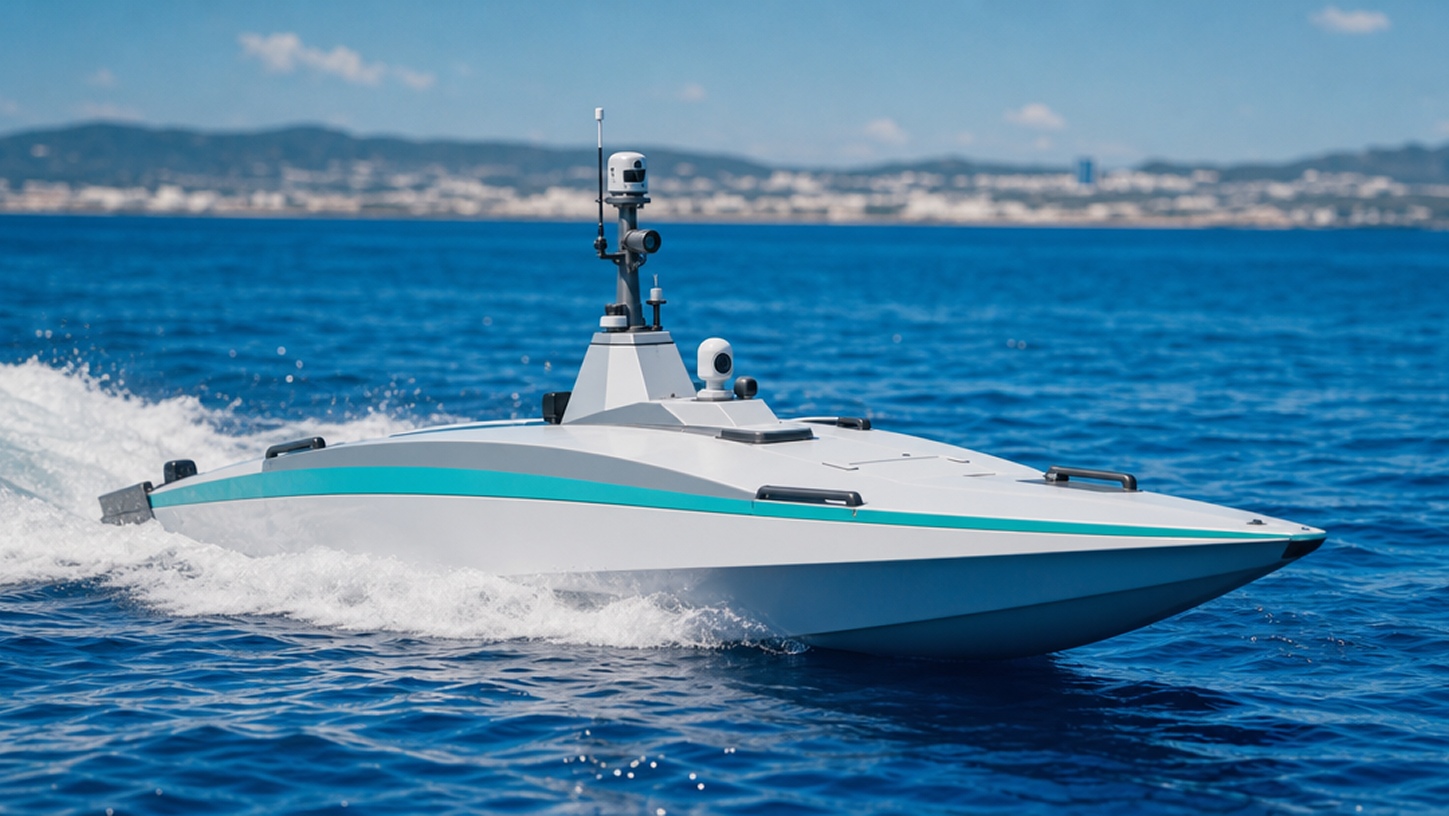
Use a world model for: robot manipulation, autonomous vehicle planning, industrial process simulation, and anything where getting the physical dynamics wrong is expensive, irreversible, or dangerous.
Use both together for: most of what's actually called an "AI agent" today. A common pattern is an LLM handling instruction-following and high-level planning in language, while a world model or simulator checks that plan against a representation of the environment before anything irreversible happens.
The LLM plans in words; the world model tests the plan against something closer to physical reality.
Why This Is Accelerating Now
For most of the last few years, "AI progress" meant bigger language models. That's shifting. NVIDIA's Cosmos platform, an open world foundation model built for physical AI, has already been adopted by robotics and autonomous vehicle teams including Figure AI, Agility Robotics, 1X, Waabi, and Uber.
Google DeepMind has been developing Genie, a real-time interactive world model. Fei-Fei Li's World Labs shipped Marble, a generative world model for building 3D environments, backed by serious capital from names including NVIDIA and Autodesk. Yann LeCun left Meta specifically to build a company around world models.
None of that means LLMs are going away, they're not, and they remain the right tool for the large majority of enterprise AI use cases today. But the researchers and the capital moving into world models are a signal that the next real capability jump in AI is less about writing better sentences and more about simulating the world accurately enough to act in it.
Where LTX-2.5 Fits
LTX-2.5 is an open world model, and it's a useful example of the same underlying idea showing up somewhere other than robotics. Its native multishot generation creates multiple connected shots while maintaining characters, environments, lighting, voice, style, and continuity across cuts.
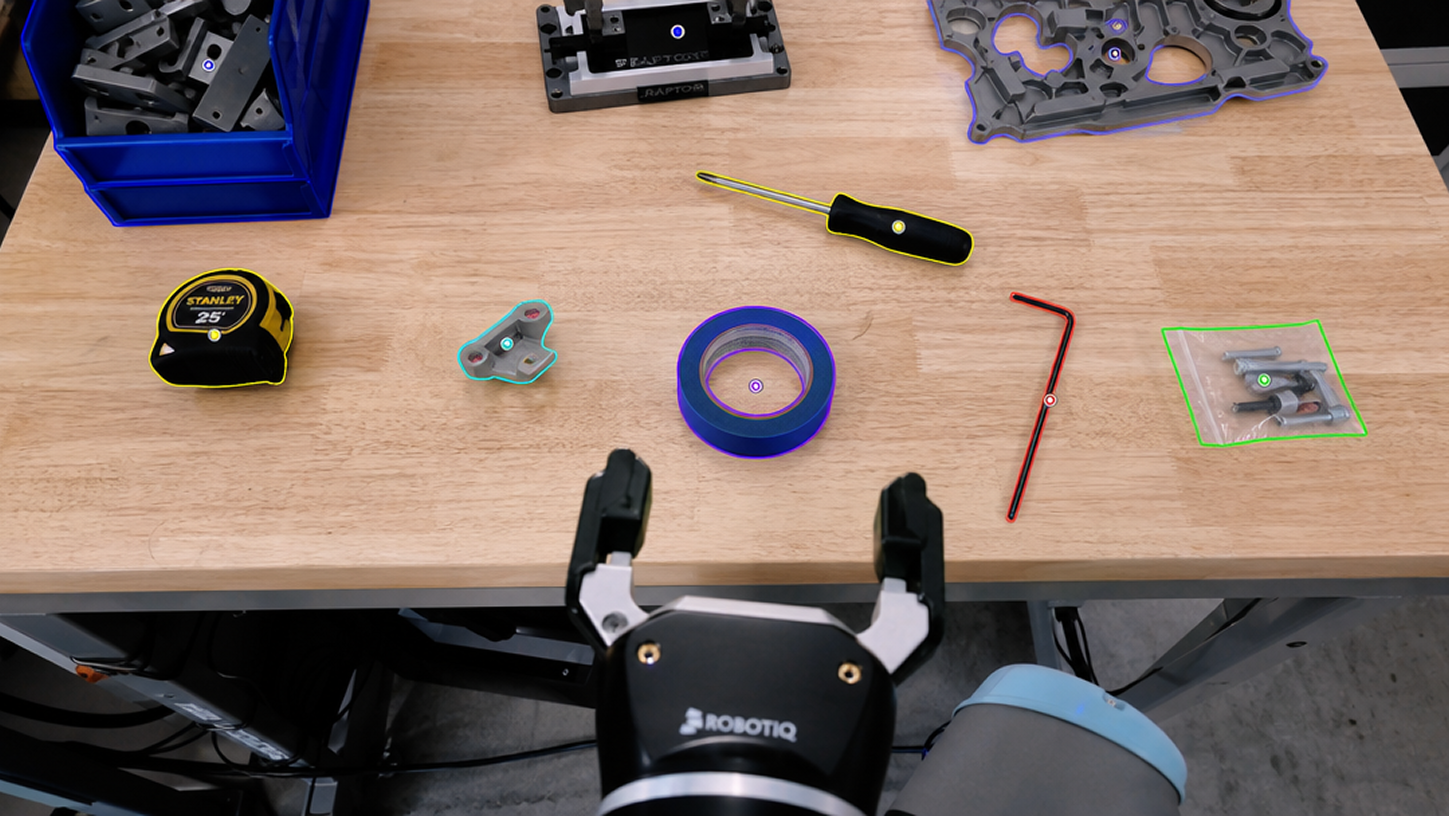
That same foundation also ships as a raw, pretrained checkpoint that teams can adapt in other directions entirely: egocentric robotics and manipulation, action-conditioned world prediction, autonomous vehicle and drone data, industrial digital twins, or a private domain-specific model.
Because LTX is open weights, teams run and fine-tune it on infrastructure they control, with permissive licensing that keeps the path to deploying and commercializing what they build straightforward.
It's the same pattern showing up twice: one world model, extended toward very different outputs, rather than a separate model built from scratch for each one.
The Bottom Line
LLMs and world models solve different problems because they're trained to predict different things: the next word versus the next state of an environment. If your task is language, an LLM is still the right, well-tested tool.
If your task involves acting reliably in a physical or simulated environment, a world model, or a hybrid of both, is where the real capability lives. The line between the two will keep blurring as hybrid architectures mature, but the underlying distinction is the one worth understanding now.
LLMs changed what AI can do with language. World models are changing what AI can do with worlds.
World Model FAQs
Can an LLM plan for a robot on its own?
An LLM can describe a plan in language, but it isn't explicitly trained to simulate physical cause and effect, so it can't reliably model what would actually happen if the plan were carried out. That's typically handled by a world model or simulator instead.
Why are world models harder to train than LLMs?
LLMs train on abundant, cheap text data. World models need action-outcome data from real or simulated environments, which is far more expensive and time-consuming to collect at scale.
Will world models replace LLMs?
No. They solve different problems. LLMs handle language understanding and generation; world models handle physical simulation and planning. Most advanced systems being built now combine both.
What's the main difference between a world model and an LLM?
An LLM predicts the next word in text based on statistical patterns. A world model predicts the next state of an environment based on a learned internal representation of how that environment behaves.