AI Animation Video Model
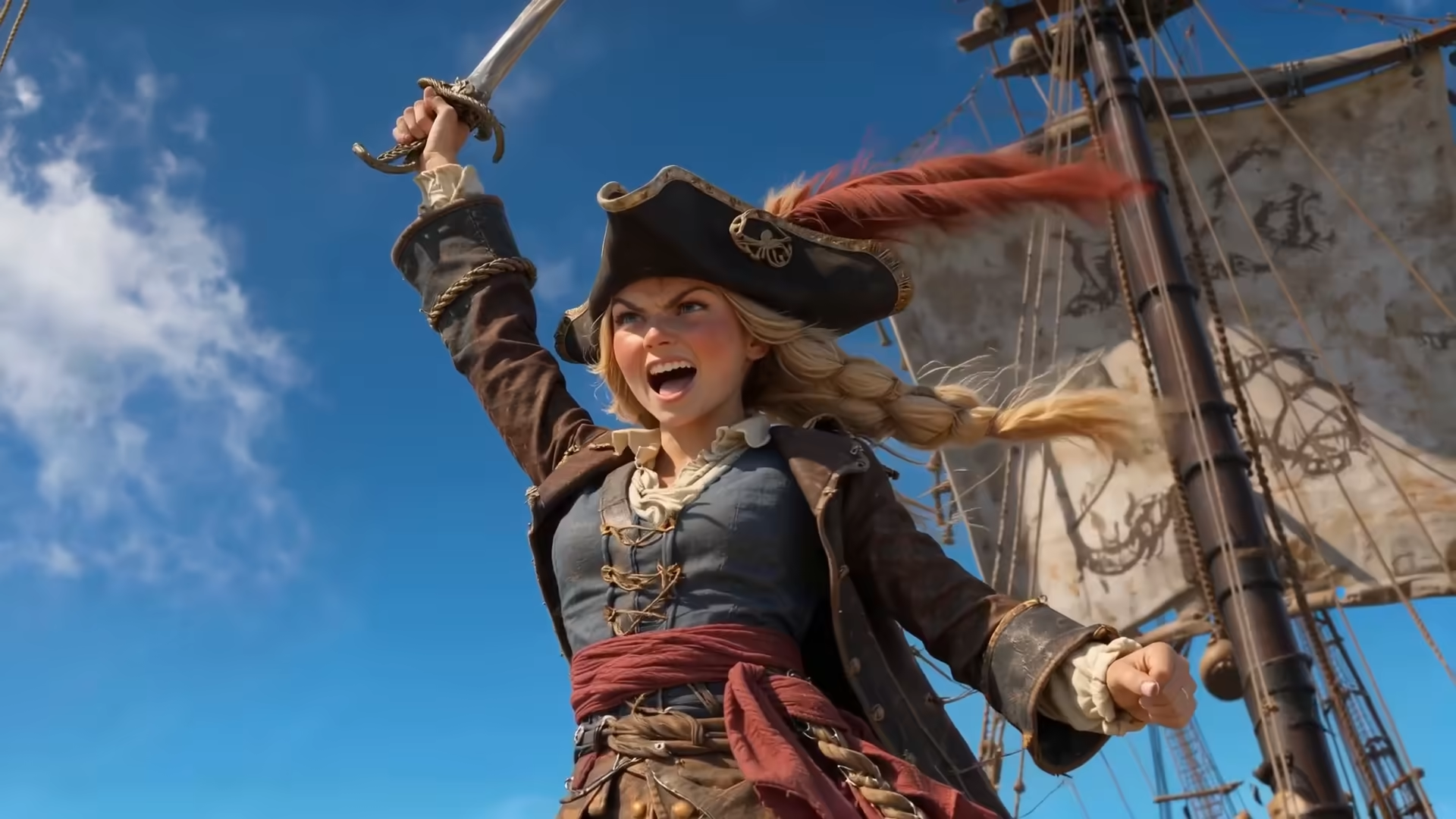
Generate 2D and 3D animation styles, from flat illustration to cel-shaded cartoon, anime and storybook art.














Key Capabilities

Any Animation Style, One Model
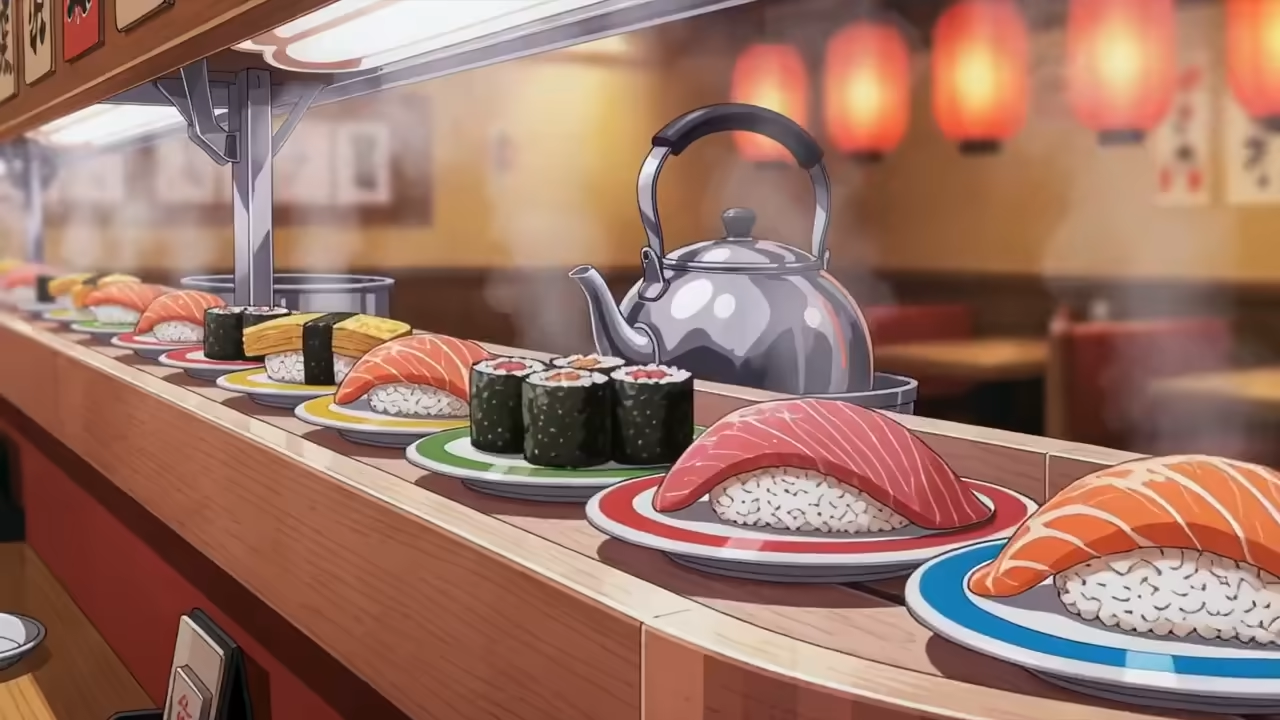
Flat illustration, cel-shaded cartoon, anime, and storybook styles. Add a reference image to lock the look from frame one.

Systematic Style Transfer With IC-LoRA
Train or use an IC-LoRA to carry a consistent animation style across an entire project. Create your IC-LoRA today.

Motion Built for Animation Workflows
Block motion with the Keyframe Interpolation Pipeline, which fills in the movement between key images. Then transfer motion or camera geometry from a reference clip with an IC-LoRA.
Text to Animated Scene
Turn a script or prompt into a 2D or 3D animated scene straight from text. Lead with explicit style vocabulary, like cel-shaded cartoon, anime style, or watercolor storybook.
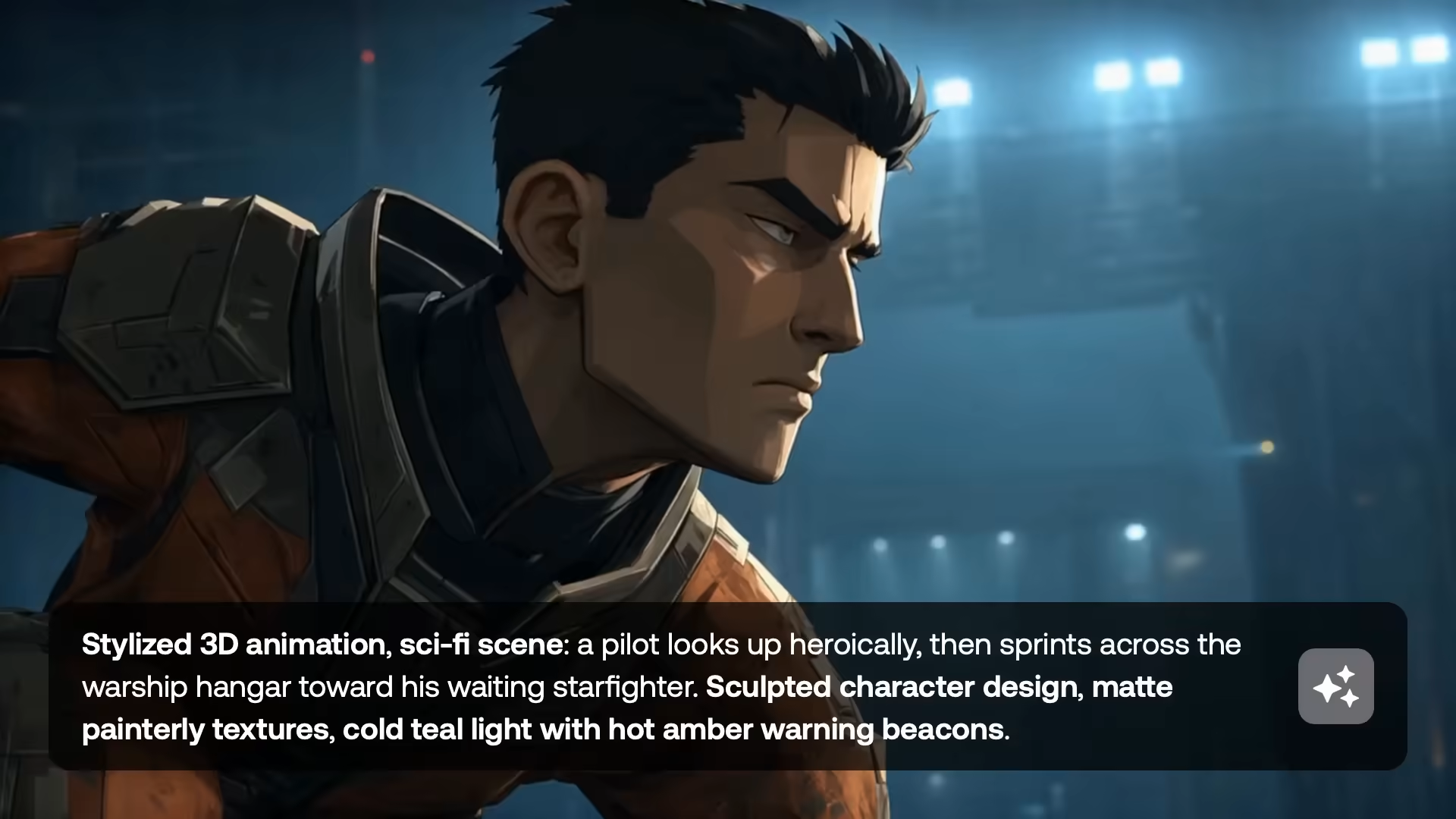
Lock a Style With a Reference Image
Condition generation on a reference frame in the exact look you want. It is more precise than relying on text description alone.
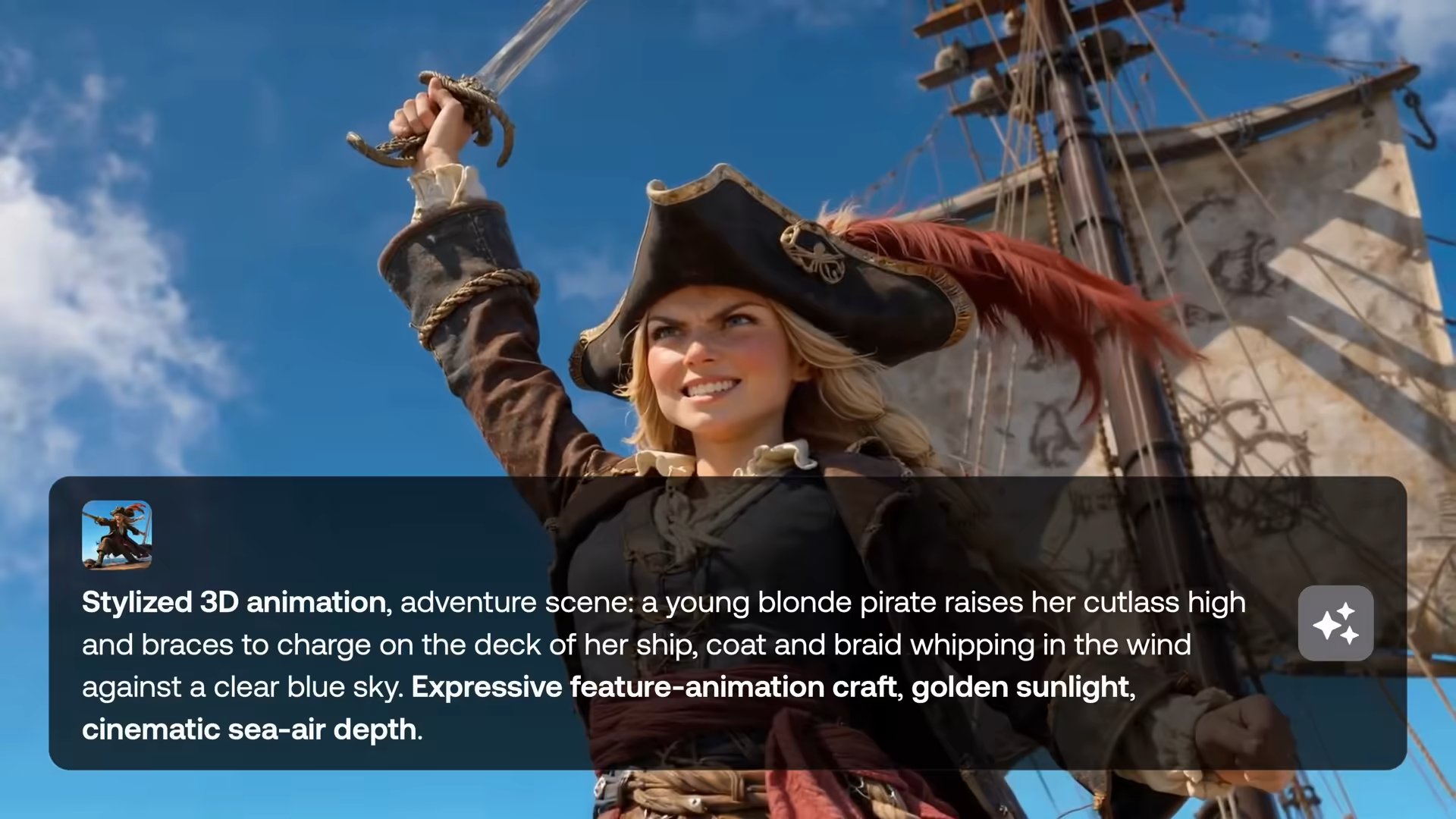
Block a Sequence From Key Poses
Supply the key poses as images and let the model interpolate the motion between them. It is a faster first pass than manual in-betweening.
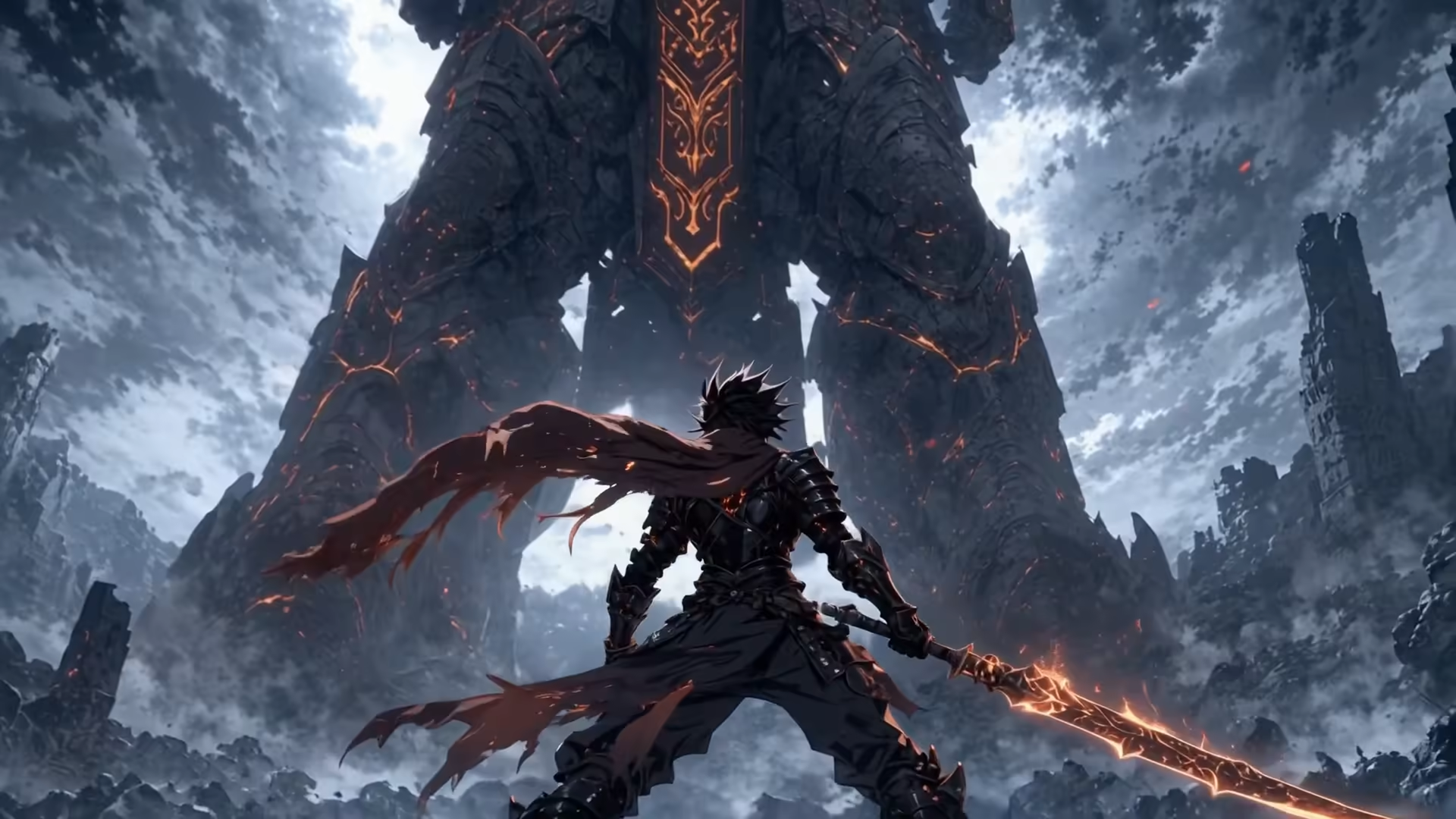
Train a Custom Style or Character LoRA
Fine-tune a LoRA on 20 to 30 reference clips or images using the LTX Trainer. Use it when a look needs to be locked in, not just referenced.





How It Works
Input
Technical characteristics:
- Write a text prompt that leads with explicit style vocabulary, like flat vector illustration style, cel-shaded rendering, anime style animation, or watercolor children's book aesthetic. State the style first, then describe the action.
- Add a reference image to lock the style from frame one through image conditioning.
- Add a reference video for IC-LoRA transfer. Canny extracts edges for composition. Depth extracts camera and scene geometry. Pose extracts skeleton joints for performance. Control strength defaults to 1.0. When using IC-LoRA, describe style only in the prompt, since the reference video already supplies the motion.
Output
Technical characteristics:
- An animated-style video clip in the style you declared: flat illustration, cel-shaded cartoon, anime, or storybook.
- Native multishot can carry a character, environment, lighting, and voice across several connected animated shots in one generation.
- Native 4K is available for the final render.
- Frame counts need to satisfy (F-1) divided by 8 with no remainder. Keep clips short, around 2 to 4 seconds, to avoid the style drifting back toward photorealism.
What users are building with LTX
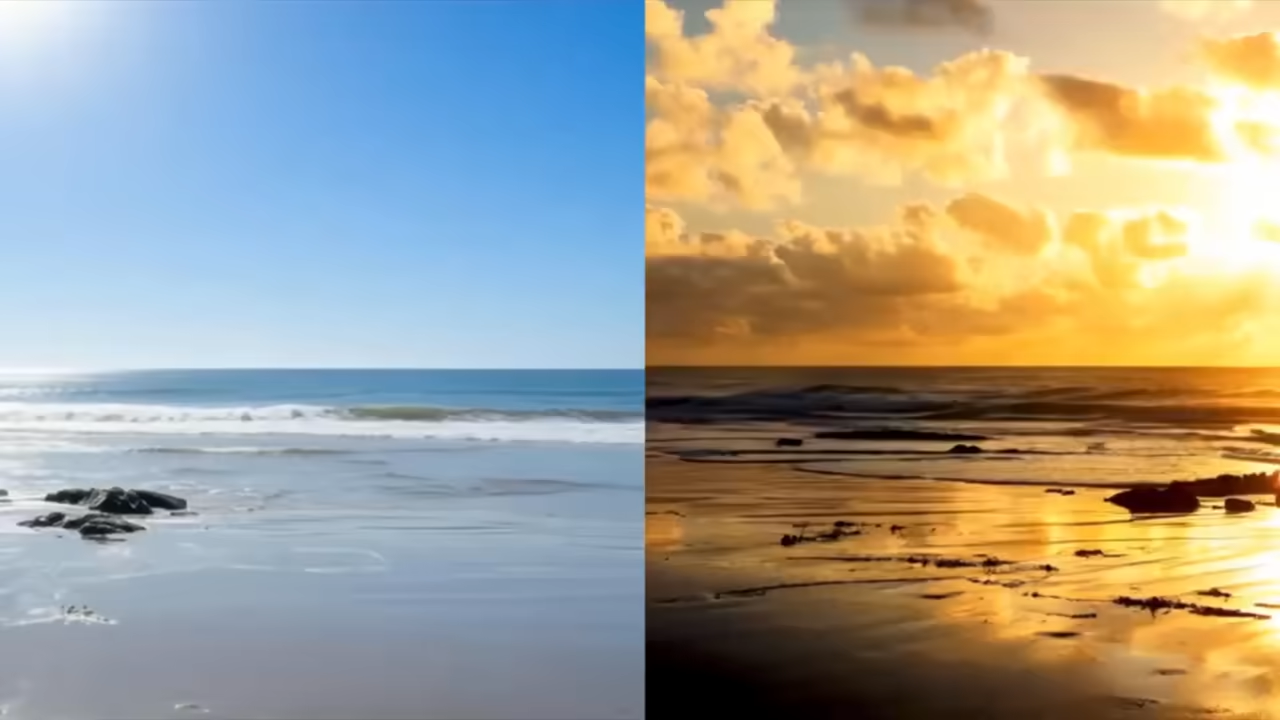
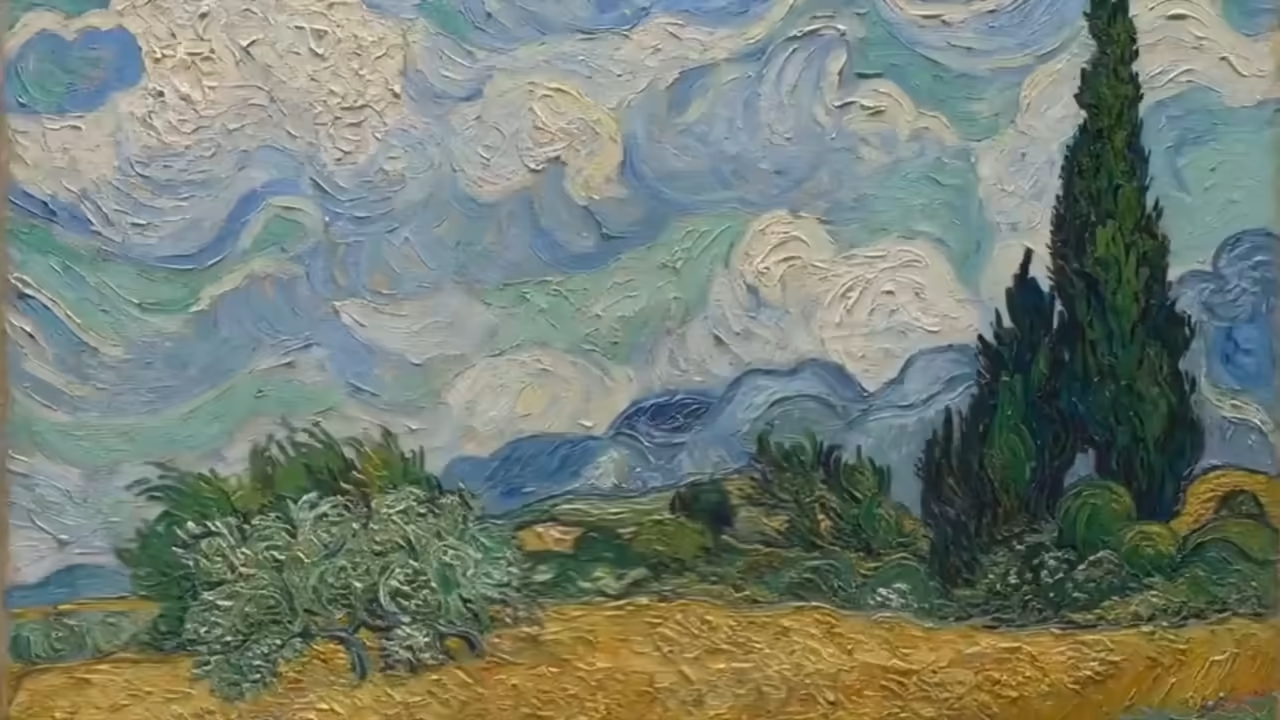

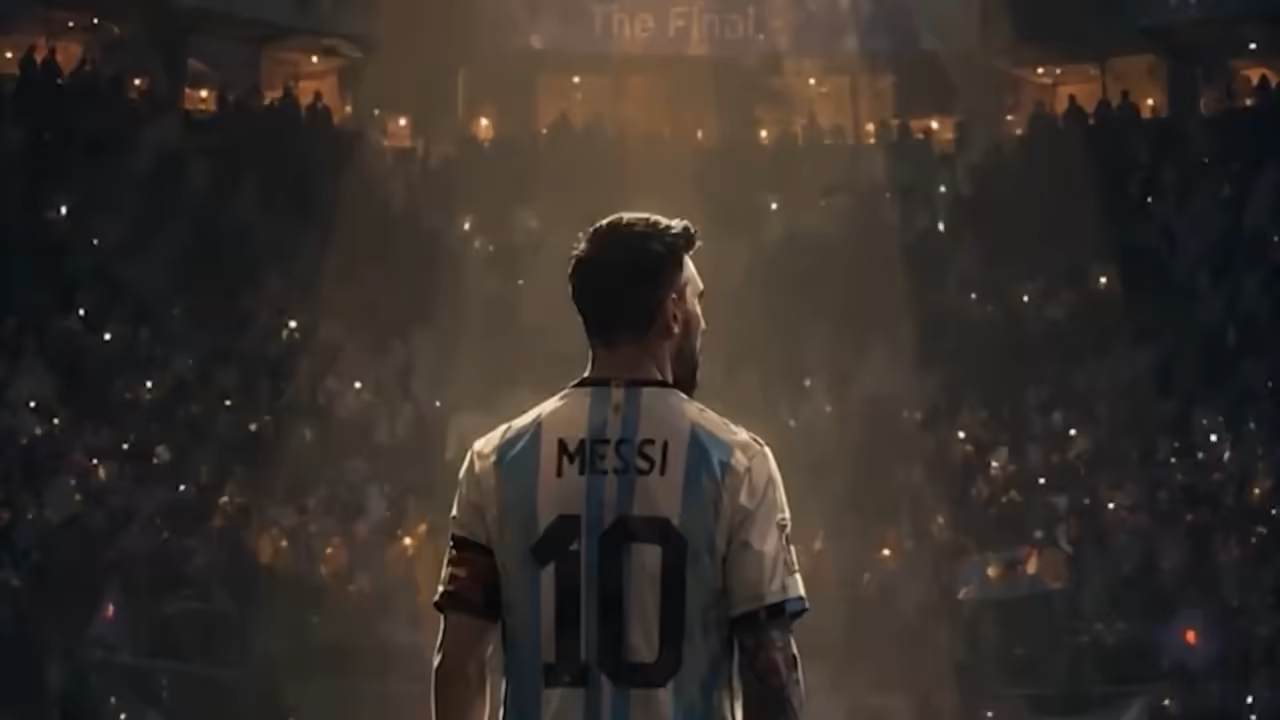
FAQs
What is an AI animation video model and how does it work?
It generates animated-style video, in 2D or 3D, from a text prompt or a reference image. It uses the same underlying video model as photorealistic generation, redirected toward a specific style through prompt vocabulary, image conditioning, and IC-LoRA, rather than a separate animation-only model.
What features does this offer?
Style control through prompt vocabulary and image conditioning. Systematic style transfer through IC-LoRA. Motion blocking through keyframe interpolation. Native multishot for continuity across cuts. Native 4K for the final render. All of it self-hosted or available through the API.
What animation styles are supported?
Flat illustration and motion graphics, cel-shaded cartoon, anime, and storybook or watercolor styles. Each comes from explicit style vocabulary and conditioning, not a style picker.
Can I lock in a specific style across a whole project?
Yes. Train an IC-LoRA on paired reference and target footage, or use a published IC-LoRA adapter: Union Control, Pose Control, or Detailer. IC-LoRA workflows need the distilled checkpoint, not dev.
Does this replace an animator's timing and performance judgment?
No. Motion synthesis, including keyframe interpolation and IC-LoRA motion transfer, speeds up blocking and in-betweening. Timing and performance judgment stay with the animator.
Is this the same as LTX Studio's AI Animation Generator?
This page covers the underlying Model capability directly, self-hosted or through the API, without the hosted production layer.
