AI video and audio, generated in sync
LTX-2.5 generates video and temporally synchronized audio in a single pass. Speech, foley, and ambience land on the action in one model, not a silent clip with sound added after. Open weights, self-hosted or API.








Key capabilities

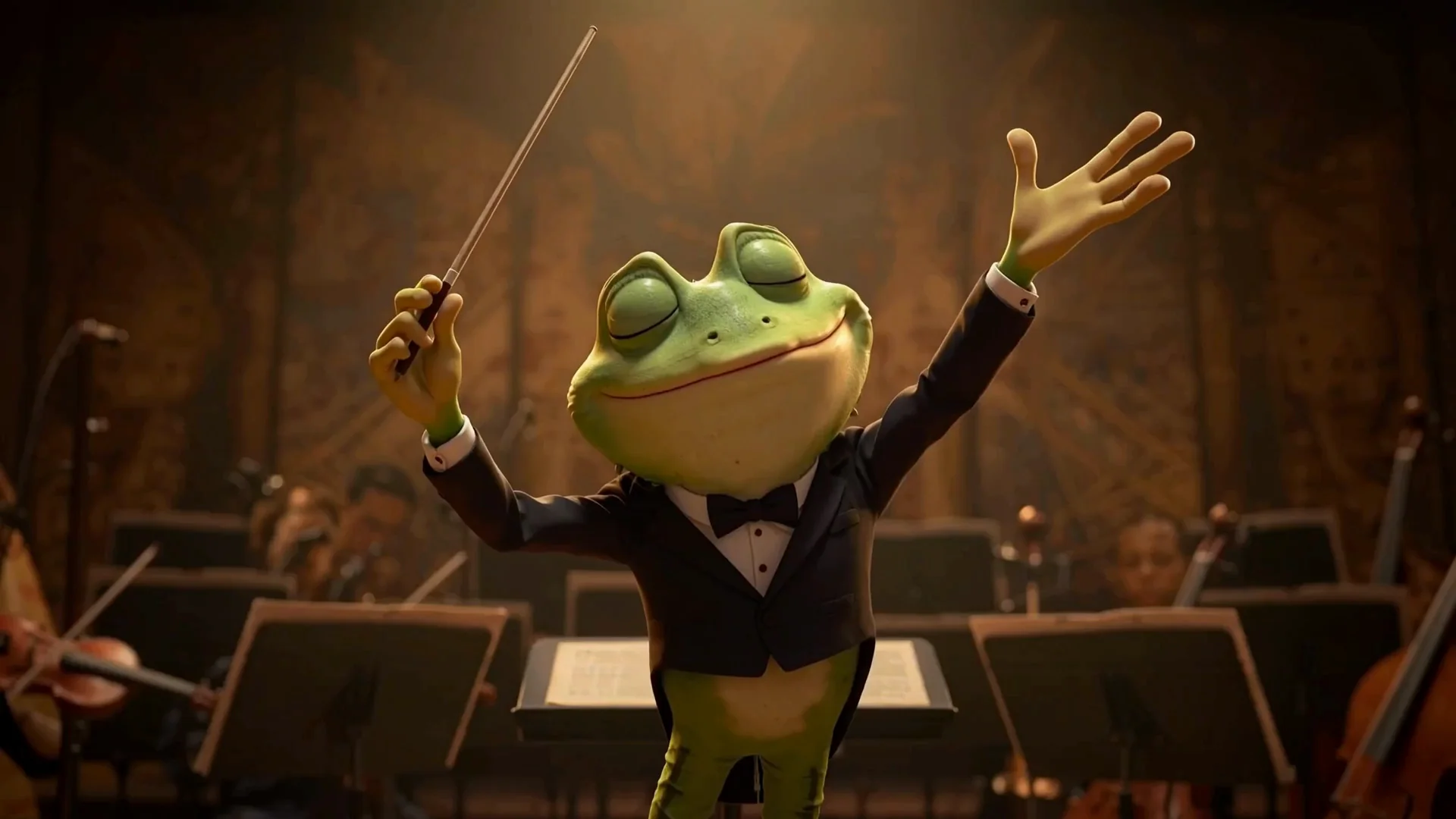
Audio and video, generated in sync
A dual-stream model produces video and temporally aligned audio jointly through bidirectional cross-attention. Not sequential text-to-video plus video-to-audio.

Clean speech, foley, and ambience
Lip-synced speech with natural cadence and emotion, plus foley and ambience. Filtered training data and an updated vocoder reduce artifacts and dropouts.
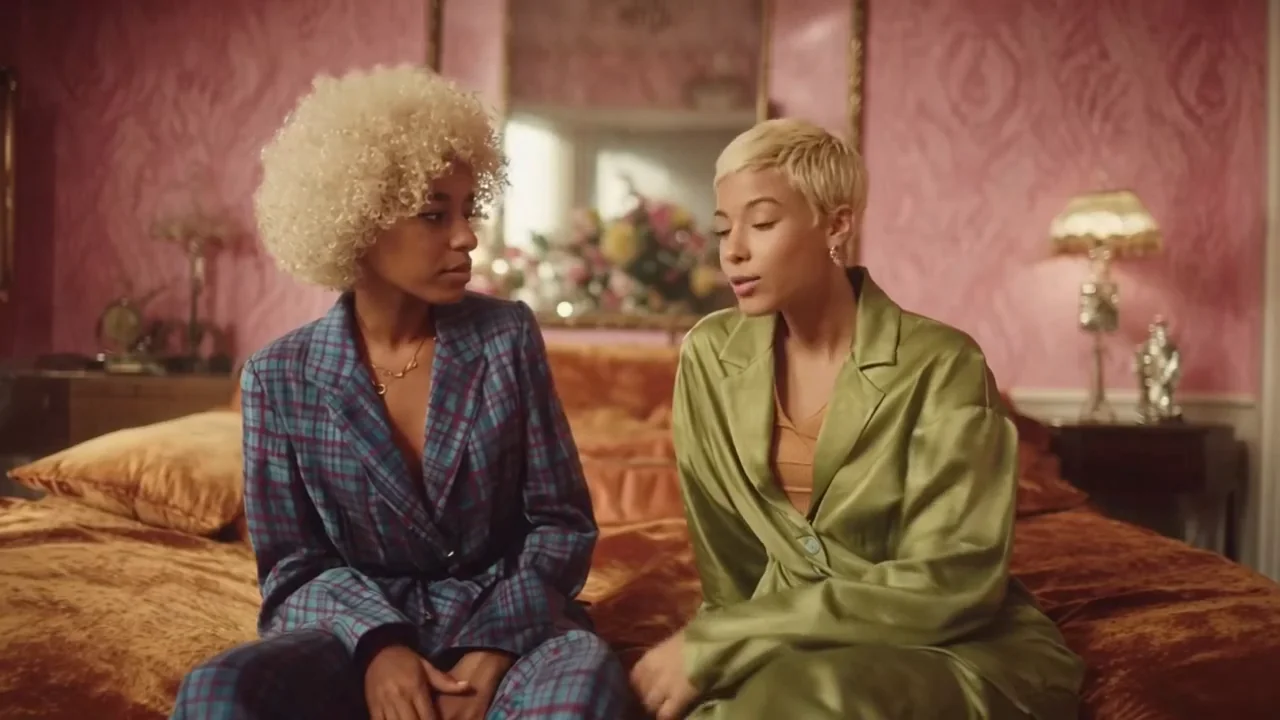
Dialogue and effects in one pass
Lip-synced speech generated without a manual sync pass. Mouths match on the first take.


Every clip, fully scored
Ship a clip with foley and ambience already in. No separate sound design or audio step.
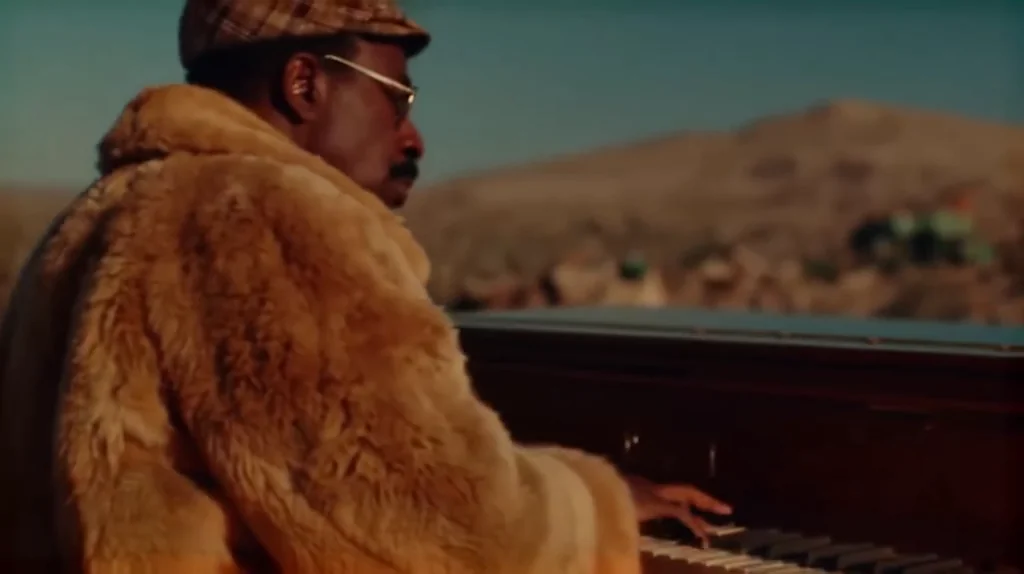
Audio-driven video
Drive generation from an input audio track for audio-reactive video or music visualization.
Fix or customize audio
Regenerate just the audio track of a generated clip via retake, or train an Audio-Video LoRA for a branded sound.




Built for
Creative and production teams building sound-complete AI video without a separate audio or sync pass. Generative AI leads integrating joint audiovisual generation into a production pipeline.
Product teams, AI startups, and developers building AI-powered video features. Add production-grade video generation as a product capability, not a research project. One API, production-ready results, and no custom orchestration.
Brands, agencies, and creative teams producing high volumes of content. Turn existing assets into video at scale. Faster iteration, lower production cost, and more output from what you already have.
Teams that require full control over deployment and data. Run video generation in your own environment. On-premises, no cloud dependency, and full infrastructure ownership.
Platforms powering creative tools with multiple AI models. Upgrade your video output with a best-in-class engine. Improve generation quality, retain users, and differentiate with a model built for production, not prototypes.
How it works
Input
Technical characteristics:
- Prompt — text, optionally plus a start image for image-to-video or an input audio clip for audio-to-video
- Text encoder — Gemma 3 multilingual encoder produces separate video and audio conditioning embeddings
- Architecture — asymmetric dual-stream diffusion transformer: 14B video stream (3D RoPE) and 5B audio stream (1D RoPE), 48 shared blocks, bidirectional audio-video cross-attention and cross-modality AdaLN; modality-aware CFG drives alignment
Output
Technical characteristics:
- Synced clip — video with temporally synchronized speech, foley, and ambience
- Audio path — Audio VAE (stereo mel-spectrogram) to vocoder to 24 kHz stereo waveform. LTX-2.5's updated vocoder and filtered training data reduce artifacts and dropouts
- Run it — self-host on 80GB+ VRAM (32GB with FP8 quantization) or via the LTX API
What users are building with LTX








FAQs
How is audio-video sync achieved?
A single dual-stream transformer (14B video plus 5B audio) with bidirectional cross-attention and modality-aware CFG generates both modalities together in one pass. Audio stays locked to the picture through true joint modeling, not sequential generation.
Does it generate audio on its own, or with video?
Jointly with video in one pass (speech, foley, ambience). Audio-to-video and audio-track regeneration (retake) are also supported.
Can it lip-sync or dub an existing video to my audio?
LTX-2.5 generates lip-synced speech as part of joint generation. It does not take an existing face plus audio and re-sync the mouth. Audio-to-video can drive generation from audio, and retake can regenerate an audio track.
What is the audio output format?
24 kHz stereo (Audio VAE to vocoder), muxed with the generated video.
What improved in LTX-2.5's audio?
Filtered training data and an updated vocoder reduce artifacts and unexpected dropouts while tightening audio-video alignment across both text-to-video and audio-conditioned workflows.
