Audio to Video AI Model
Audio-first video generation — where sound controls motion, timing, and scene structure.








.svg)







Key Capabilities

Audio-led video generation
Video is generated directly from audio, with sound acting as the primary control signal. Speech, music, and sound design guide motion, timing, pacing, and visual intensity.
Extended generation length
Generate video directly from up to 20 seconds of audio in a single call, enabling richer motion, longer beats, and more expressive audiovisual sequences.
Long-form video generation
Create longer videos by chaining multiple A2V calls. Each clip builds on the previous one by reusing its final frame, enabling coherent, extended sequences over time.
AI music video generation
Create AI-generated music videos where beats, tempo, and musical intensity control motion and visuals. Ideal for music video AI generators, lyric videos, and experimental visualizations.


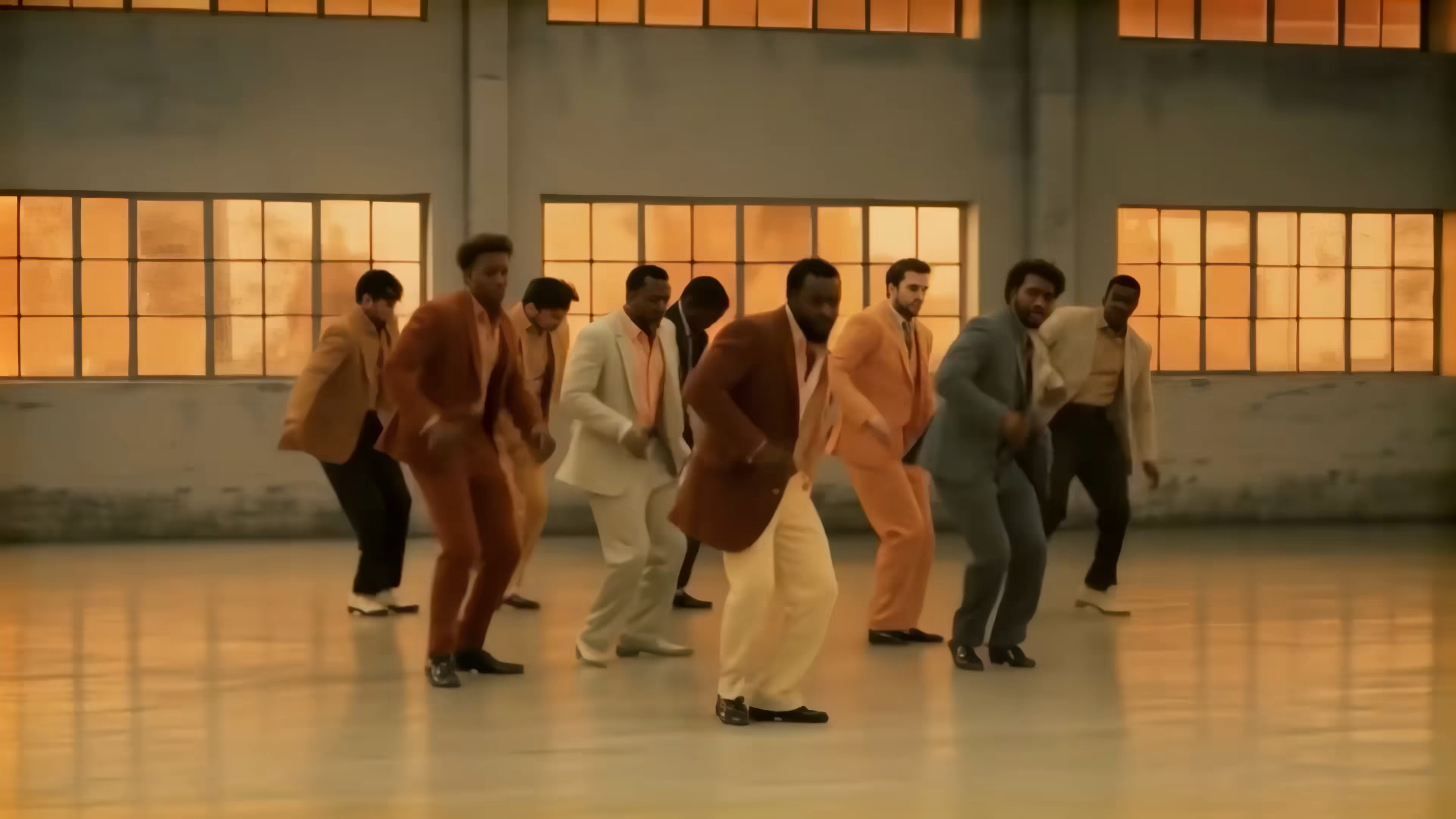
Voice-to-video content
Transform speech, dialogue, or narration into animated video. Perfect for voice-to-video AI use cases like explainers, avatars, and audio-led storytelling.
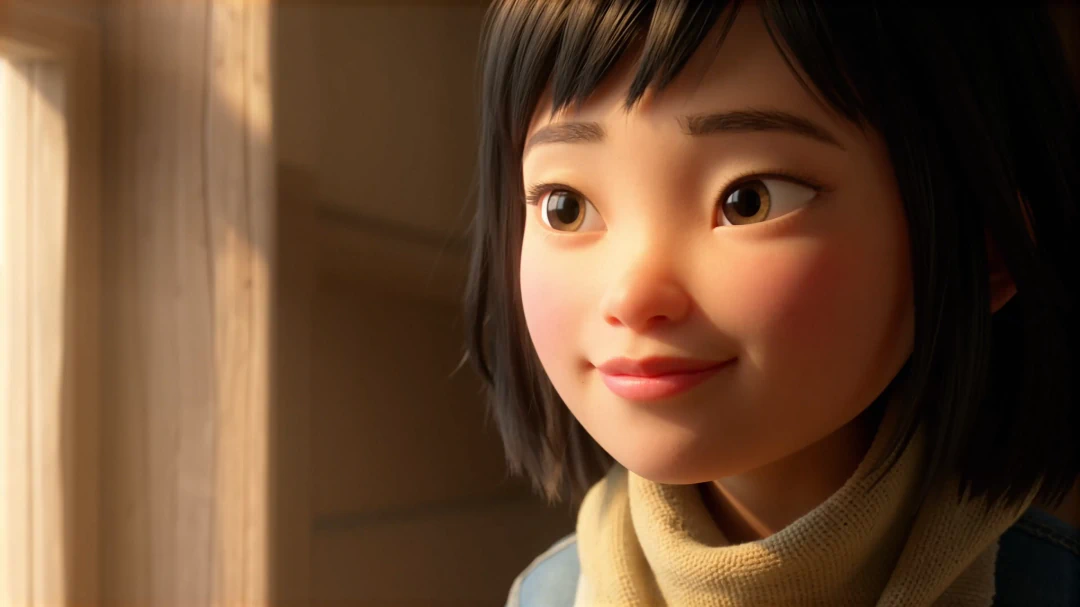
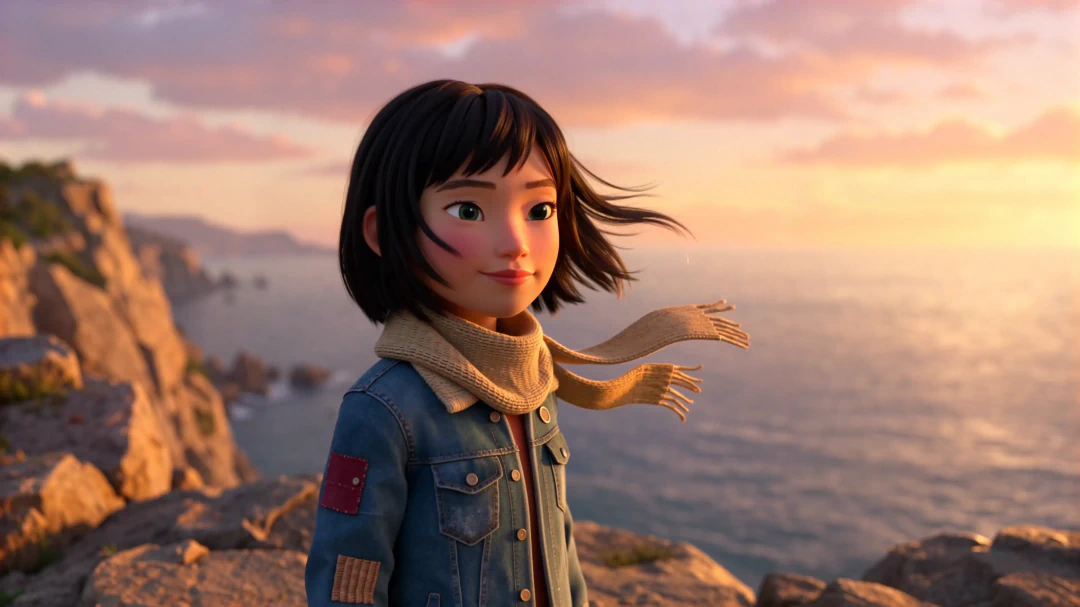
Audio-driven animation & facial animation
Generate audio-driven animation where characters move, react, and animate based on sound. Supports facial animation and expressive motion beyond basic talking-head video.

Podcast & audio content to video
Convert audio-only content into video formats for social, education, and distribution platforms — without manual video orchestration.



How the Audio-to-Video model works
Input:
- Audio (required): Voice, dialogue, music, or sound effects
- Optional image: Used as the starting frame for character or style consistency
- Optional prompt: Guides visual style and scene context
- Supported formats: WAV, MP3, M4A, OGG
Output:
- MP4 video generated directly from audio
- Length matches audio duration (up to ~20 seconds per generation)
- Motion, pacing, and transitions synchronized to speech, beats, and sound energy
Designed for real-world deployment
A production-ready audio-to-video AI model for teams building scalable, controllable video generation workflows.

Product teams, AI startups, and developers building AI-powered video features. Add production-grade video generation as a product capability, not a research project. One API, production-ready results, and no custom orchestration.

Brands, agencies, and creative teams producing high volumes of content. Turn existing assets into video at scale. Faster iteration, lower production cost, and more output from what you already have.

Teams that require full control over deployment and data. Run video generation in your own environment. On-premises, no cloud dependency, and full infrastructure ownership.

Platforms powering creative tools with multiple AI models. Upgrade your video output with a best-in-class engine. Improve generation quality, retain users, and differentiate with a model built for production, not prototypes.
How the Audio-to-Video model works
Input
Upload audio to generate a video driven by speech, music, or sound. Optionally add an image and a prompt to guide visual style, scene context, and overall direction.
Technical characteristics:
- Audio (required): Voice, dialogue, music, or sound effects
- Optional image: Used as the starting frame for character or style consistency
- Optional prompt: Guides visual style and scene context
- Supported formats: WAV, MP3, M4A, OGG
Output
Receive an MP4 video generated from your audio, with motion, pacing, and transitions synchronized to speech, beats, and overall sound energy.
Technical characteristics:
- MP4 video generated directly from audio
- Length matches audio duration (up to ~20 seconds per generation)
- Motion, pacing, and transitions synchronized to speech, beats, and sound energy
Audio to Video (A2V)
Generate video directly from audio — where voice, music, and sound define structure, pacing, and motion.
- Audio: WAV, MP3, M4A, OGG
- Image (optional): PNG, JPEG, WEBP
- Billed per second of input audio.
- Generates up to ~20 seconds per request.
- Full-length videos can be created by chaining multiple requests.
- Currently available in 1080p only.
Audio to Video (A2V)
Generate video directly from audio — where voice, music, and sound define structure, pacing, and motion.
- Audio: WAV, MP3, M4A, OGG
- Image (optional): PNG, JPEG, WEBP
- Billed per second of input audio.
- Generates up to ~20 seconds per request.
- Full-length videos can be created by chaining multiple requests.
- Currently available in 1080p only.
FAQs
What is Audio-to-Video in LTX Models?
Audio-to-Video (A2V) is an audio-native video generation model in the LTX Models lineup. Unlike text-to-video or image-to-video models, A2V uses audio as the primary conditioning signal, allowing sound to control motion, pacing, and scene structure directly.
How is LTX Audio-to-Video different from lip-sync models?
Lip-sync models animate facial movement only and treat audio as a secondary signal.LTX Audio-to-Video model generates full video sequences from audio, where speech, music, and sound effects influence character motion, camera movement, transitions, and overall visual dynamics.
Can I generate videos from music using LTX Models?
Yes. The Audio-to-Video model supports music-to-video generation, enabling AI-generated music videos where rhythm, tempo, and intensity drive visual motion and animation. This includes use cases like music visualizations, lyric videos, and animated music content.
Is Audio-to-Video available via API?
Yes. Audio-to-Video is available through a production-ready API as part of LTX Models. It is designed for developers, platforms, and AI integrators building audio-driven video workflows into products and systems.
What types of audio inputs are supported?
The model supports voice, dialogue, music, and sound effects. Audio files can be provided in common formats such as WAV, MP3, M4A, and OGG, either via URL or encoded input.
How long can generated videos be?
Each Audio-to-Video generation produces a short video clip matching the audio duration, up to approximately 20 seconds. Longer videos can be created by chaining multiple generations using a composable workflow.
Can I control the visual style or characters?
Yes. An optional image can be provided as a starting frame to anchor character identity, visual style, or scene composition. A short text prompt can also be used to guide visual context while audio remains the primary driver.
How does Audio-to-Video fit into the LTX Models ecosystem?
Audio-to-Video complements LTX’s existing video generation models by introducing audio as a first-class control signal. This enables new audio-first workflows and expands the range of multimodal video generation use cases supported by LTX Models.
Who is Audio-to-Video designed for?
The model is designed for AI integrators, platforms, and builders embedding video generation into products, as well as teams exploring audio-driven animation, music video generation, and multimodal AI research.
Is Audio-to-Video intended for production use?
Yes. The model is built for predictable behavior, fast inference, and scalable deployment, making it suitable for real-world production systems rather than experimental demos.
