LTX Studio Blog
Hear from Zeev, co founder & CEO of Lightricks, on why we’re open-sourcing LTX-2, and what it means for the future of AI.
Learn More →

Product Updates
LTX-2.3 and LTX Desktop: Production-Ready Engine. Designed to Be Built On.
Today we’re shipping two things at once: LTX-2.3 a major upgrade to the model architecture, refined through real-world usage and LTX Desktop, a production-grade video editor built directly on the LTX engine. Free. Open source.We’ve shipped models before. This is the first time we’re shipping an interface built on the engine.
.jpeg)
How To Fine-Tune A Video Generation Model With LoRA
Learn how to fine-tune a video generation model using LoRA adapters with LTX-2's open-source trainer, from dataset preparation to inference.

What Is Latent Space? A Visual Explanation for Video Generation
Understand what latent space is and how video generation models like LTX-2 use it to create high-quality video efficiently.

How To Integrate A Video Generation API Into Your Application
A developer guide to integrating AI video generation APIs, covering endpoints, async workflows, and production deployment.

How To Build Talking AI Avatars From Audio
Use LTX-2.3's A2VidPipelineTwoStage to build AI talking avatars from audio files. Covers lip sync tuning, image conditioning, and multimodal guidance.

How To Upscale AI Video From 30fps To 60fps
Use IC-LoRA and the KeyframeInterpolationPipeline in LTX-2 to upscale AI-generated video from 30fps to 60fps. Covers pipeline setup and parameter tuning.

Quantization Formats For Faster Local AI Video Inference: FP8, MXFP8 & NVFP4 Explained
Learn how FP8, MXFP8, and NVFP4 quantization formats reduce VRAM usage and speed up local AI video inference. Includes LTX-2 setup steps and CLI flags.
.jpeg)
How To Fix Slow Motion In AI-Generated Videos
Fix slow, dreamy motion in AI-generated video with LTX-2. Learn prompt writing techniques and guidance parameter tuning for natural, realistic pacing.

How To Generate 2D Animation With AI Video Models
Generate 2D animation with AI video models. Learn prompt techniques for flat art, cartoon, anime, and illustrated styles using LTX-2 image conditioning.
.jpeg)
How To Use AI Retake To Fix & Regenerate Specific Video Segments
Learn how to fix bad segments in AI-generated video without re-rendering the full clip using LTX-2's RetakePipeline for targeted selective regeneration.

How To Generate Video from Audio With LTX-2
Learn to generate synchronized video from any audio file using LTX-2's A2VidPipelineTwoStage pipeline. Includes CLI commands and Python API configuration.

LTX Closes The Gap Between AI & Production With 16-Bit HDR Output
LTX HDR generates 16-bit EXR files from AI video, giving colorists and compositors the dynamic range needed for professional post-production pipelines.
.jpeg)
What Is A VAE & Why It Matters for Video Generation
Understand how Variational Autoencoders compress video data, why they're essential for high-resolution generation, and what's new in LTX-2.3's VAE.
.jpeg)
Running AI Video Generation at Scale: Considerations for Enterprise
Enterprise infrastructure guide for scaling AI video generation—deployment patterns, cost modeling, and architectural decisions to reduce costs and accelerate video production pipelines.

How To Generate 20 Second AI Videos With LTX-2.3
Master 20-second video generation with LTX-2.3. Learn Fast vs Pro modes, prompt engineering, and optimization workflows.
.jpeg)
Diffusion Transformers Explained: Why DiT Is Replacing U-Net for Video
Discover why diffusion transformers are outpacing U-Net architecture. Learn the technical advantages powering next-generation video AI.
.jpeg)
LTX-2.3 Fast vs Pro: Guide & Comparison
LTX-2.3 Fast vs Pro — when to use each tier, how speed and quality differ, and how to combine both in a production workflow.

How To Set Up LTX Desktop For Local AI Video Production
Learn to generate professional AI videos on your GPU without cloud costs. Complete setup guide for LTX Desktop's local video production engine.
.jpeg)
ComfyUI Video Generation Model Workflow Guide (LTX-2.3)
How to run LTX-2.3 in ComfyUI for better video quality — covering optimal settings, key nodes, text and image-to-video workflows.
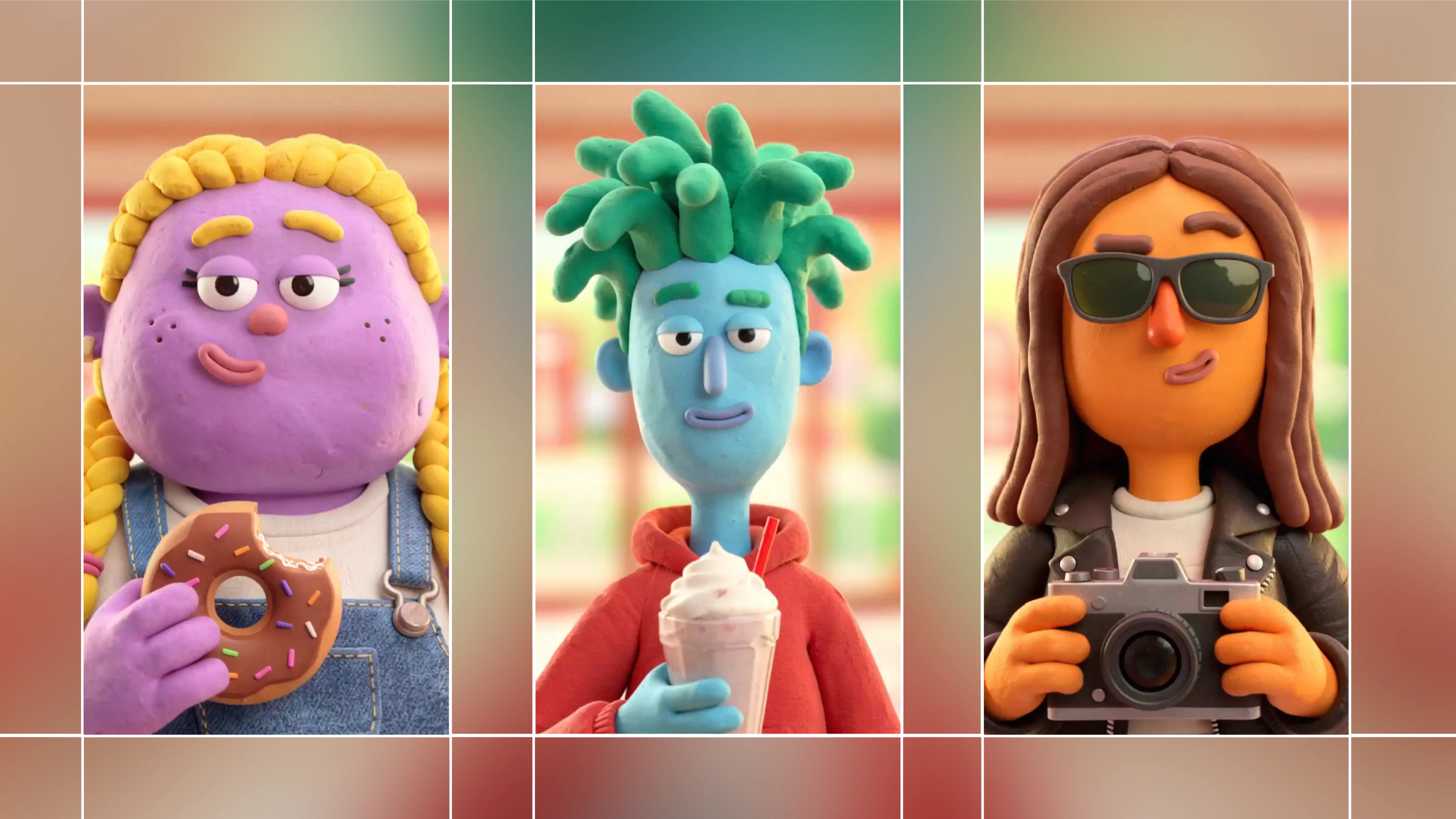
LTX-2.3 Portrait Video: How to Generate 1080p Vertical Content for TikTok
Master LTX-2.3's native portrait video generation. Create 1080x1920 vertical content for TikTok, Reels, and Shorts with AI trained specifically on vertical composition.

LTX-2.3 Prompt Guide: Tips For Prompting LTX-2.3
Learn how to write effective prompts for LTX-2.3 video generation — from cinematic language and scene structure to dialogue, audio, and camera movement.

How to Reduce Warble and AI Pattern Artifacts in LTX-2 Video Generation
Reduce warble, flicker, and synthetic-looking patterns in LTX-2 videos. Learn how to anchor motion with IC-LoRA, align inputs correctly, and configure workflows to minimize AI artifacts.

How to Run LTX-2 on Consumer GPUs: VRAM Tiers, Settings, and OOM Fixes
Run LTX-2 efficiently on consumer GPUs with practical settings, VRAM tips, and troubleshooting insights to unlock local high-quality AI video generation

LTX-2 Dev vs Distilled: Performance, Memory, and Best Use Cases
Understand the difference between LTX-2 Dev and Distilled models. We compare performance, memory requirements, and use cases to help you choose the right workflow for your hardware and goals.

Learn How to Use IC-LoRA in LTX-2
Master motion control in AI video generation with IC-LoRA. Learn how to transfer camera movement, scene structure, and human performance from reference videos into LTX-2 workflows.

The Road Ahead for LTX-2
A look at the direction behind LTX-2 and the principles guiding its evolution, from stronger control to deeper alignment with real creative workflows.

End-of-January LTX-2 Drop: Better Control for Real Workflows
LTX-2 introduces improved control for real-world video workflows, helping creators move from raw generation to intentional, repeatable results with greater precision and reliability.

LTX-2 Image-to-Video & Text-to-Video Workflow Guide
LTX-2 delivers local audio-video generation with image and text workflows, multiscale rendering, and optimized performance.

LTX-2 Is Now Open Source
LTX-2 brings production-ready audio-video generation to open source, with full weights, creative control, and real-world efficiency.
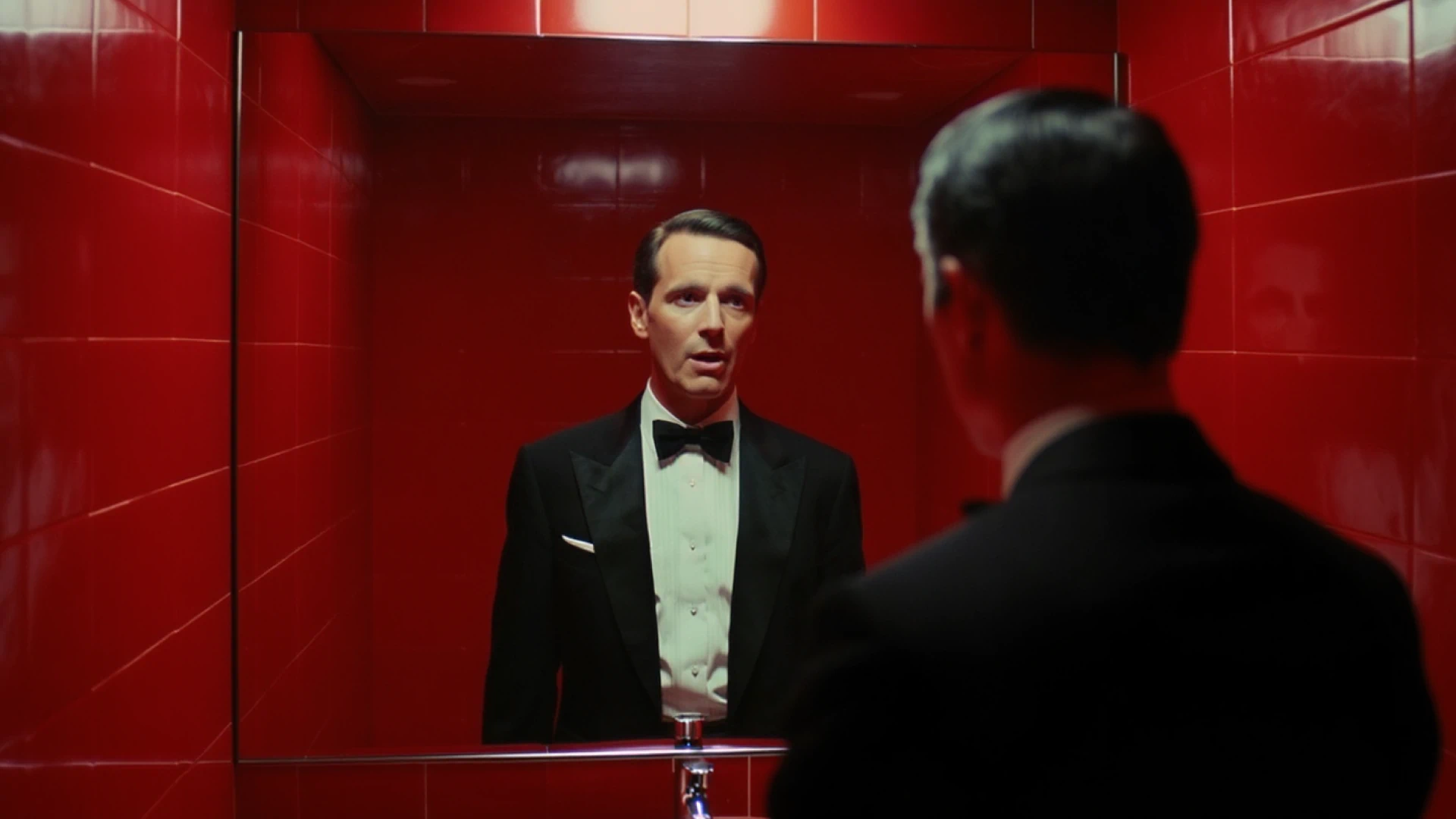
Prompting Direct audio-to-motion mapping for LTX-2
Audio features are translated into character movement, camera motion, and scene animation, producing coherent video sequences aligned to rhythm, energy, and timing.

Introducing LTX-2: A New Chapter in Generative AI
AI video is evolving at an extraordinary pace. At Lightricks, we’re building AI tools that make professional creativity faster, smarter, and more accessible.
Subscribe to our newsletter
Lorem ipsum dolor sit amet, consectetur adipiscing elit. Suspendisse varius enim in eros elementum tristique.