We are living in a world that is constantly changing—and few spaces reflect that more clearly than the digital landscape. For filmmakers, the industry continues to evolve. Today’s creators have access to an unprecedented number of tools and platforms for creating, learning, and collaborating. From pre-production planning to post-production editing, choosing the right platforms can quickly become overwhelming.
Unlike many years ago when information was centralized and sometimes difficult to access, the challenge now is the overabundance of information. Countless platforms offer support, collaborative tools, and creative inspiration; but as the number of options grows, the need for professional, scalable filmmaking tools becomes even more essential. In a world of endless information, the best sites for filmmakers are the ones that curate focused environments and streamline the creative process.
In this piece, we’ll explore the most effective filmmaking tools, educational platforms, and the best sites for filmmakers—whether you’re an aspiring artist or a working director.
Best Filmmaking Websites for Production & Editing
Filmmaking is a unique art form—one that merges distinct creative disciplines into a single, collaborative process. From cinematography to production design, each department brings its own artistic eye. On larger productions, this can mean coordinating hundreds—sometimes thousands—of production personnel across a project.
When you have so many moving pieces, it’s imperative to effectively coordinate teams and department heads to ensure that everyone is aligned with the creative vision. This is why finding the right tools is a critical aspect of preparing to work on a film; the best filmmaking websites simplify complex workflows, simplify collaboration, and support professional-quality outcomes.
Let’s review some platforms that professionals rely on across pre-production, production, and post-production phases.
LTX Studio
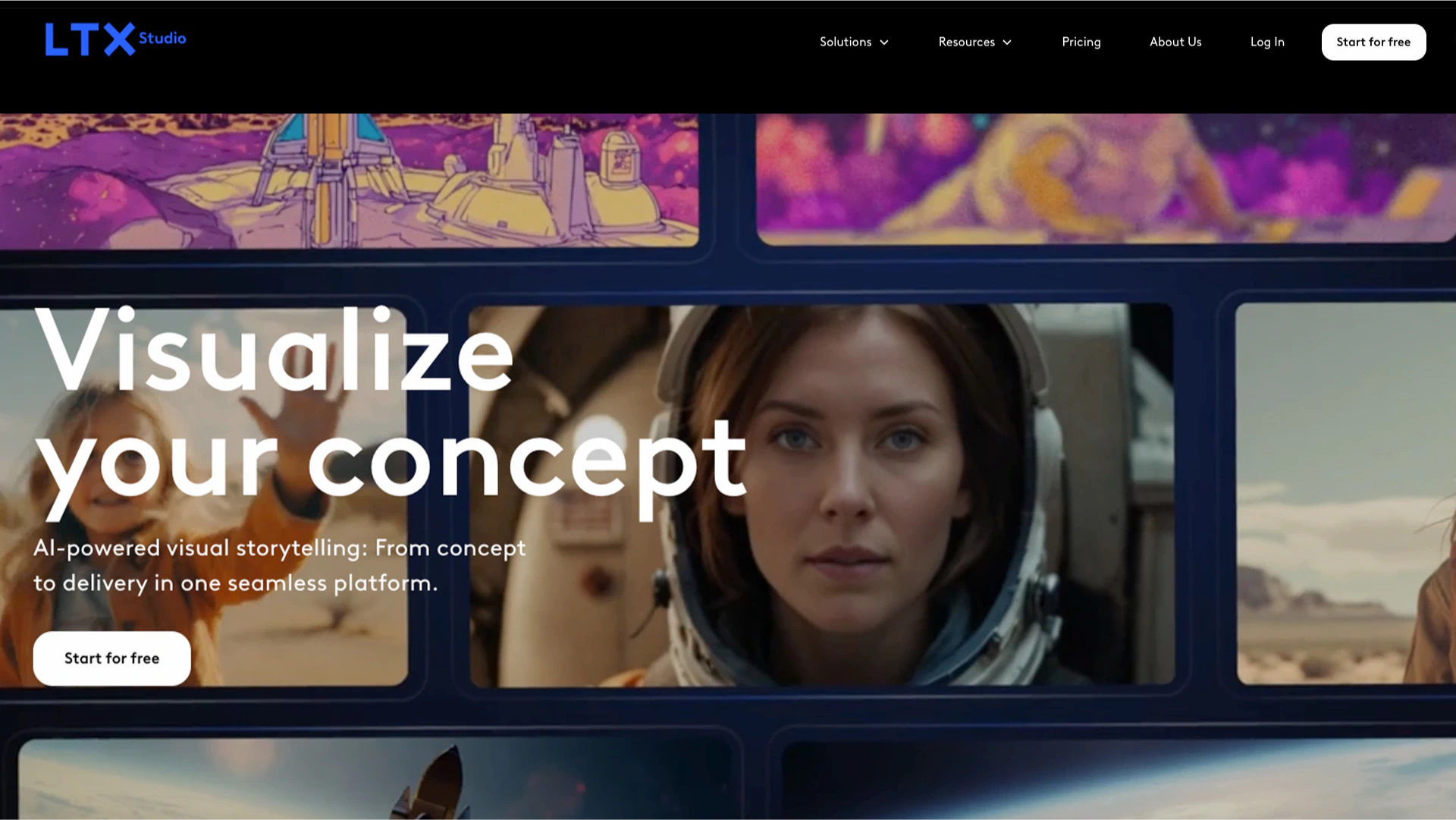
LTX Studio’s AI-powered platform is uniquely built for concept development, storyboarding, and iteration. Designed for professional-grade output across advertising, film, and branded content, this all-in-one design streamlines multiple stages of the creative process into a single solution.
By integrating a range of filmmaking tools into one AI-based system, LTX Studio delivers a cost-effective solution that prioritizes efficiency, creative precision, and seamless collaboration. Not only can you collaborate with your team in the platform itself, but you can also engage directly with AI tools to generate inspiration, refine your ideas, and accelerate creative development.
LTX Studio champions the creative power of iteration—giving filmmakers the ability to regenerate and evolve their creative ideas until they fully align with their vision. Thus, the platform is uniquely equipped for creative development in today’s ever-evolving landscape, offering filmmaking tools to storyboard, script, and refine visuals—all in one intuitive platform.
Celtx
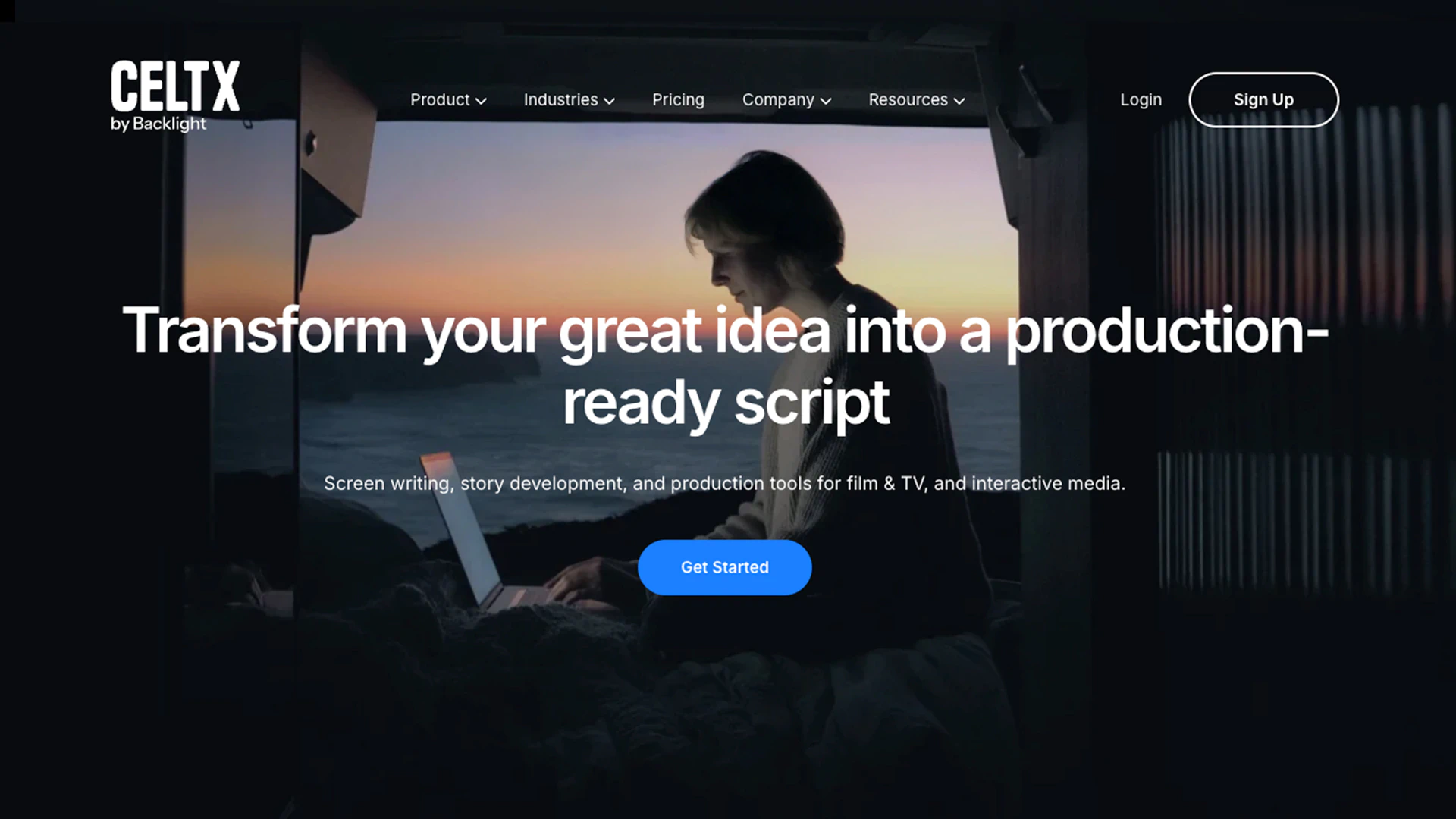
We’ll begin where most filmmaking projects do: the script. Celtx is a screenwriting and pre-production platform designed to support one of the earliest and most foundational stages of filmmaking—writing the story. If you're developing a short, a feature, or a branded spot, Celtx can help independent creators and small teams write scripts using industry-standard formatting from the start. This is an especially important aspect of the filmmaking process if you’re planning on applying for grants, submitting to screenwriting contests, or sharing materials with producers or professional video production personnel when you’re crewing up.
Beyond scripting, Celtx offers other pre-production tools that help teams stay organized. Additional features include script breakdown support, production calendars, stripboards, and call sheets–all tools making it a valuable planning hub for early-stage coordination and logistics.
While this platform doesn’t extend to any post-production, its pre-production capabilities are great for smaller teams or indie creators. You can sign up for the 7-day free trial to check it out, and the platform offers flexible pricing based on your specific production needs and the size of your team.
DaVinci Resolve
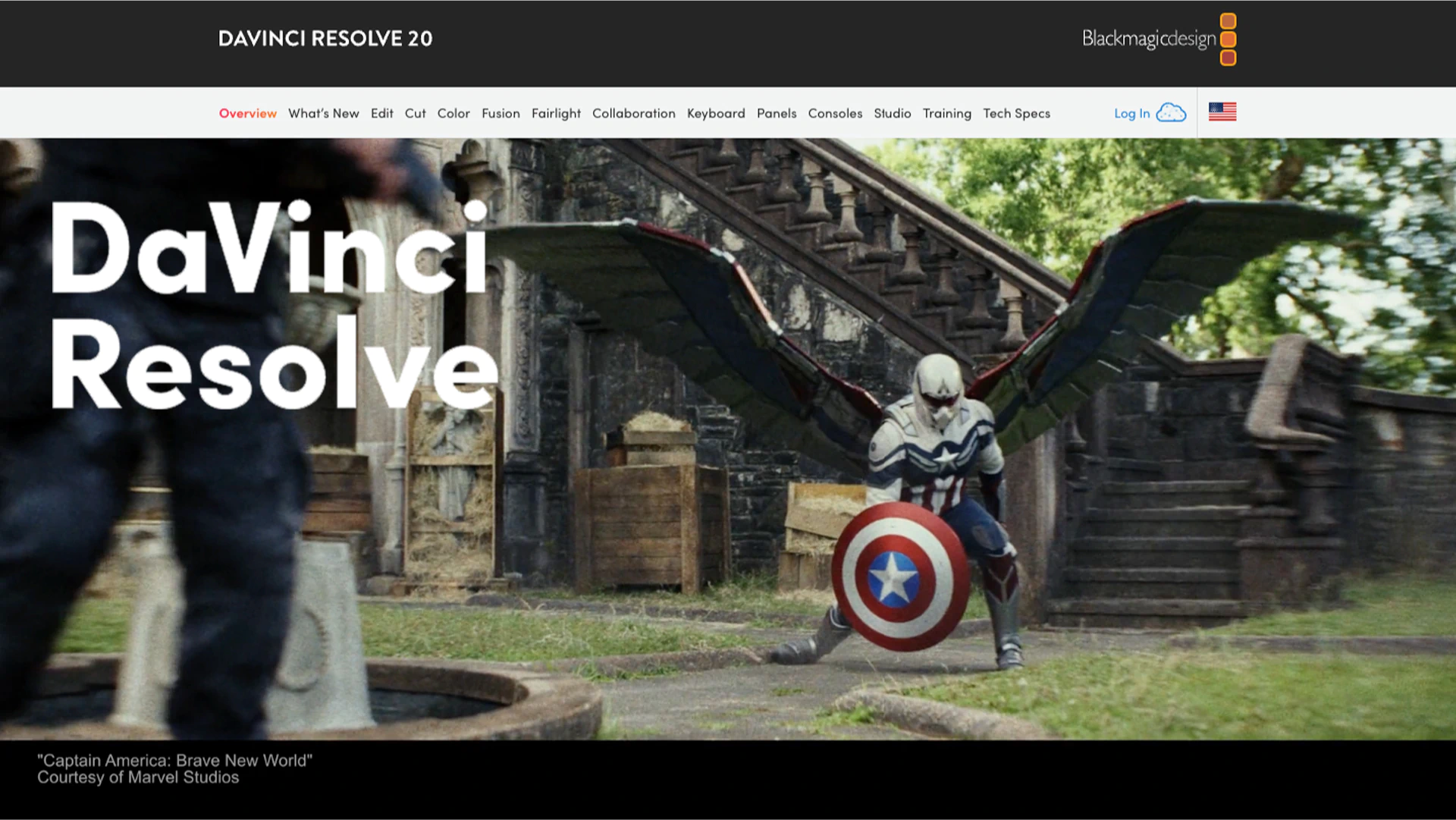
Known for its industry-leading color-correction tools, DaVinci Resolve has grown into an all-in-one editing platform for professional post-production needs. Originally developed in the early 2000s as a dedicated color grading tool, versions 10 and 11 (released in the 2010s) began to incorporate features tailored more for editing purposes —including trimming, media management, and audio processing.
Over time, DaVinci Resolve became classified as another non-linear editor (NLE), joining the ranks of professional tools like Avid and Adobe Premiere. Today, it’s a powerful solution not just for color grading but also for post-production workflows, with many Avid and Premiere editors making the switch to Davinci.
Frame.io
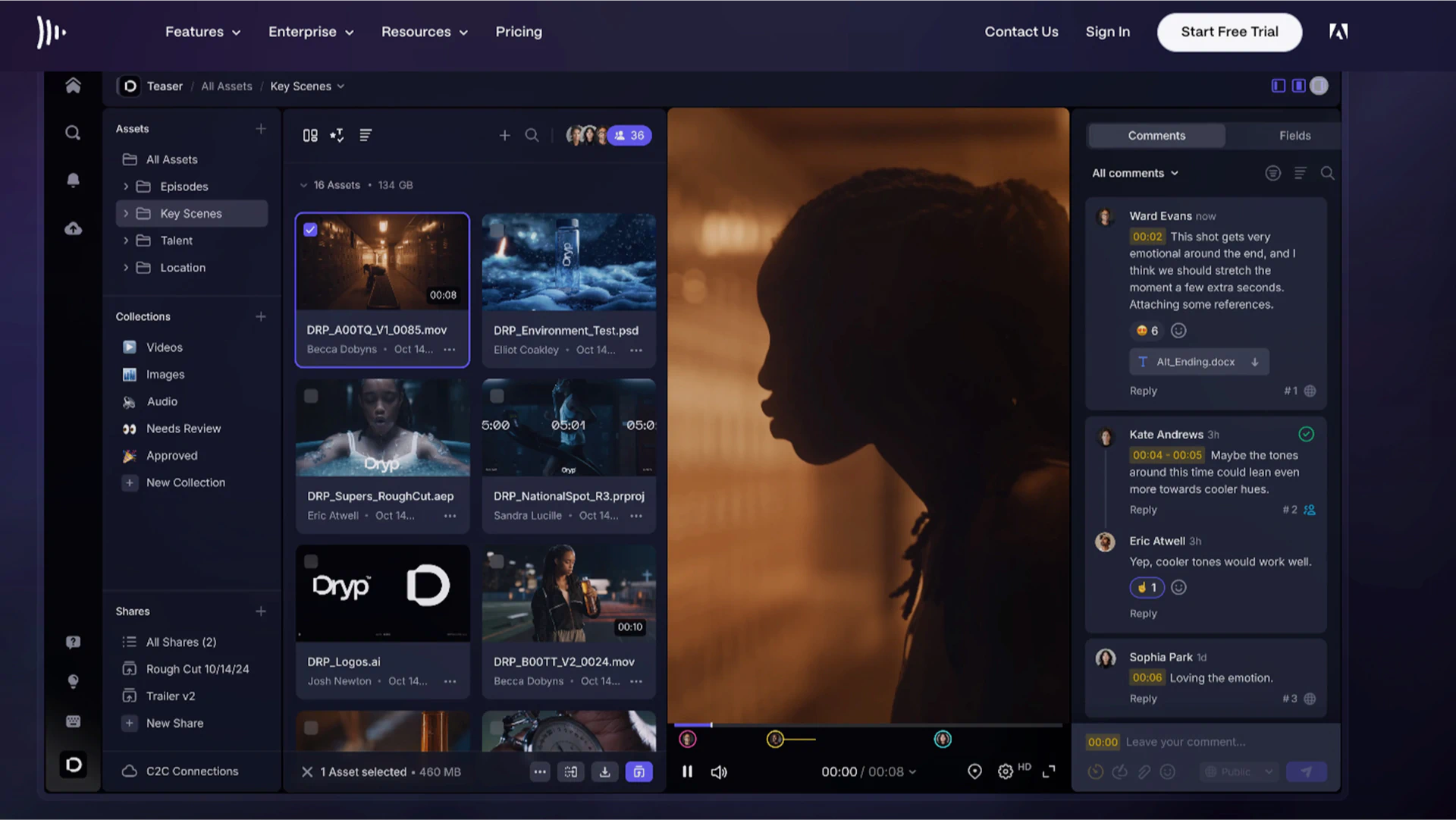
Smooth communication during post-production is non-negotiable, and that’s where Frame.io comes in. Designed as a cloud-based creative review and collaboration platform, it keeps creative teams and clients aligned by streamlining all comments and edits. As a cloud based platform, all of Frame.io’s capabilities support real-time feedback for edits and version control to ensure alignment on approved drafts. This is a great solution for teams who have multiple stakeholders who need to go back and forth on edits, creators anticipating multiple rounds of review, and teams managing a large volume of content.
By providing a platform for collaboration before final delivery, Frame.io boosts efficiency, accelerates post-production workflows, and keeps creative teams aligned on vision—not bogged down by version control.
Best Websites to Learn Filmmaking Online
Now more than ever, filmmakers have access to educational platforms that democratize knowledge once restricted to film schools. The best websites to learn filmmaking cater to creators of all levels—from hobbyists exploring visual storytelling to professionals refining their craft.
MasterClass
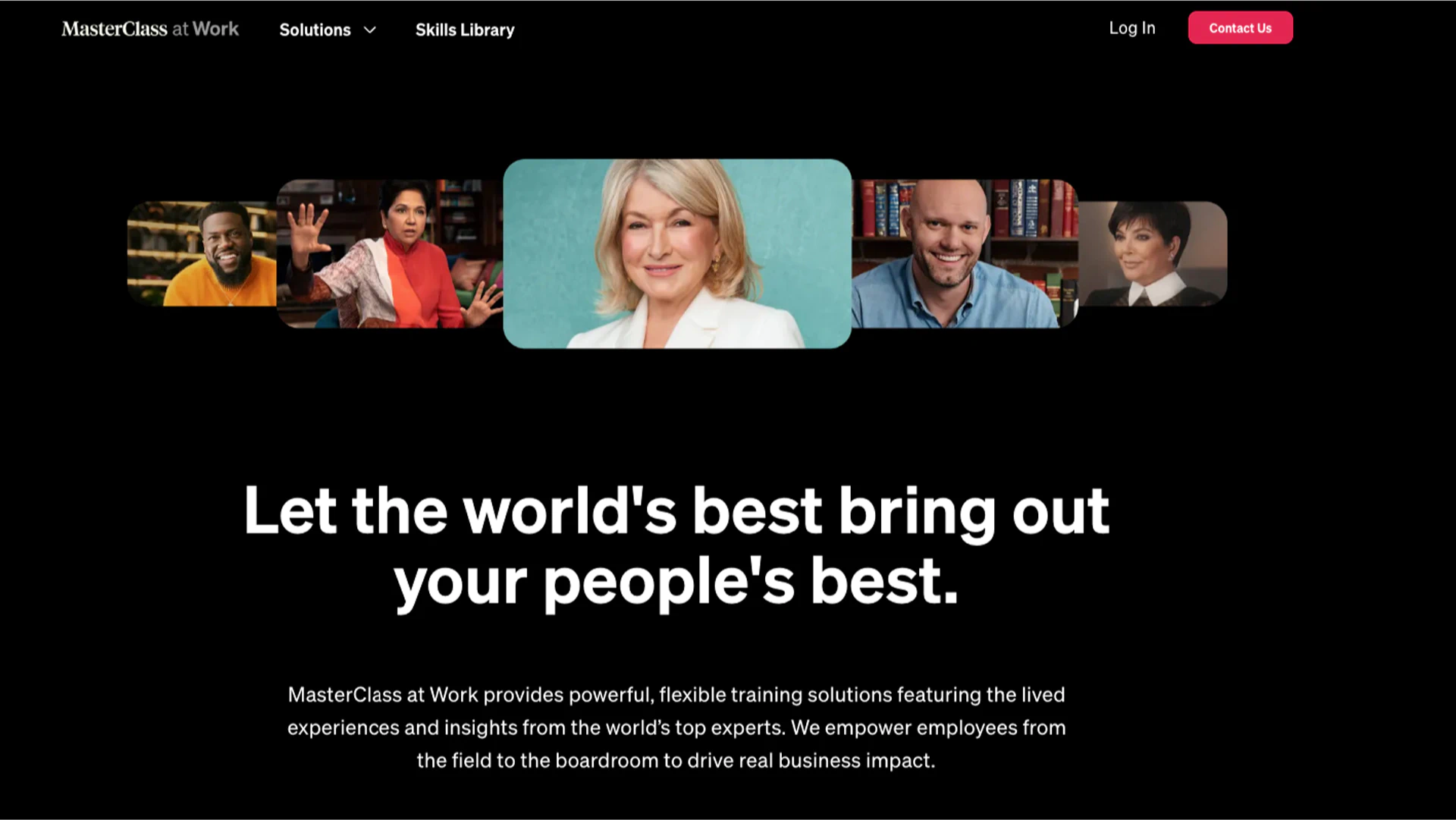
Wish you could learn from some of the greats? Maybe storytelling from Martin Scorsese or directing from Ava DuVernay? MasterClass makes this possible with beautifully produced video lessons led by some of the world’s most acclaimed filmmakers.
The platform’s founders did extensive research on how to engage learners and discovered that cinematic quality plays a major role in viewer attention and retention. As a result, MasterClass feels more like a Netflix streaming experience than a classroom, with high production value and a mission to make elite knowledge widely accessible.
This platform is ideal for filmmakers looking to gain creative insights from household-names at a fraction of the cost of film school.
No Film School
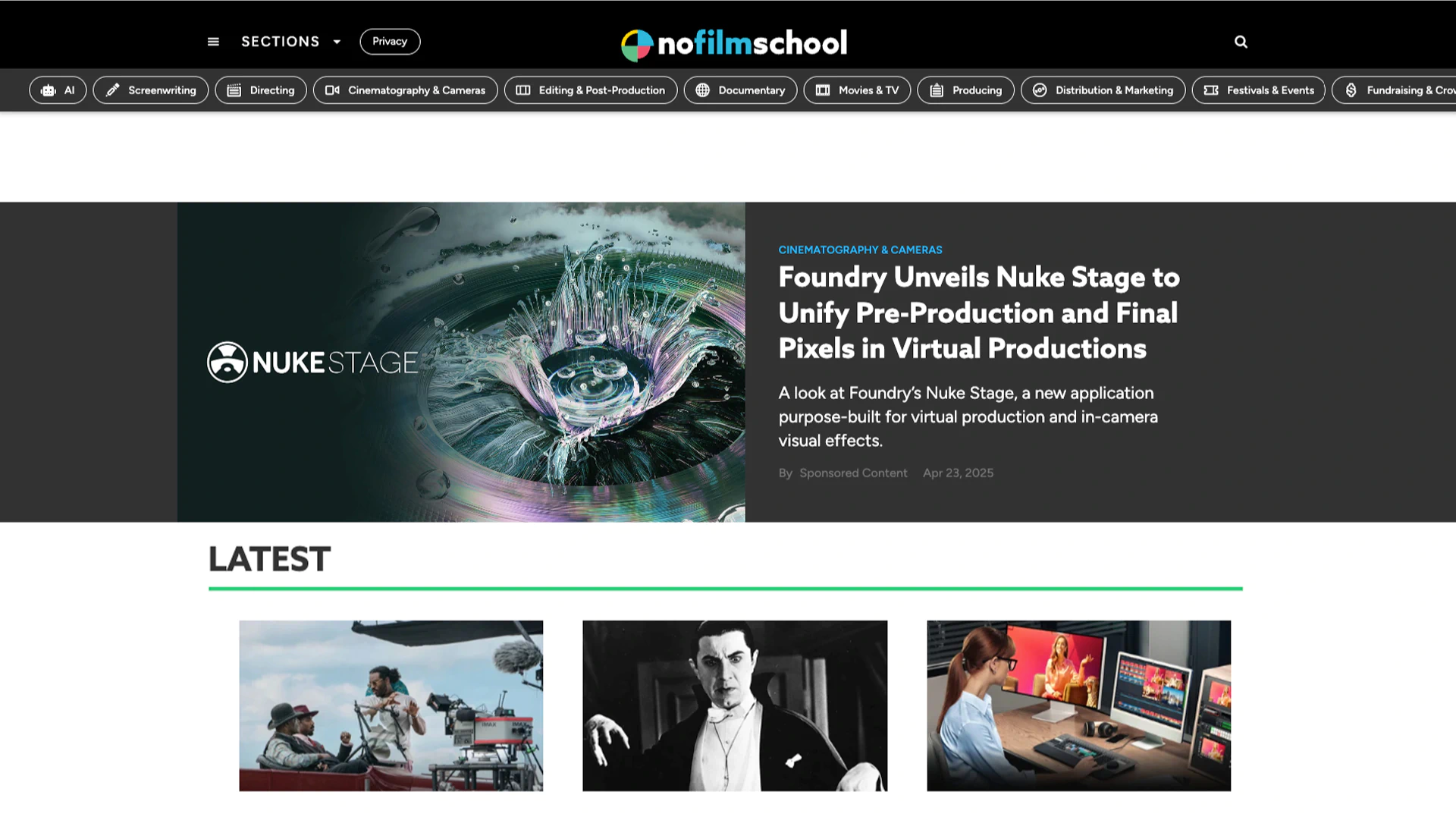
Speaking of film school—No Film School was built for filmmakers working outside of traditional systems. It's an essential platform for creators who are self-taught, resourceful, and eager to learn from peers rather than professors. The site offers a wide range of content—free articles, gear reviews, how-to guides, interviews, tutorials, and an amazing podcast—all aimed at helping filmmakers with limited resources.
What sets No Film School apart is its mix of practical education and timely industry coverage. From breakdowns of the latest camera tech to discussions about how AI is reshaping film programs at top universities, it reflects the evolving realities of today’s filmmaking process. The platform also covers how policy changes—like tariffs and global politics—affect the film industry, making it a valuable read for creators who want to understand both the art and the business of filmmaking.
Whether you’re a new filmmaker or someone reimagining traditional paths into filmmaking, No Film School is a constantly updated resource that meets you where you are—no degree required.
Film Riot
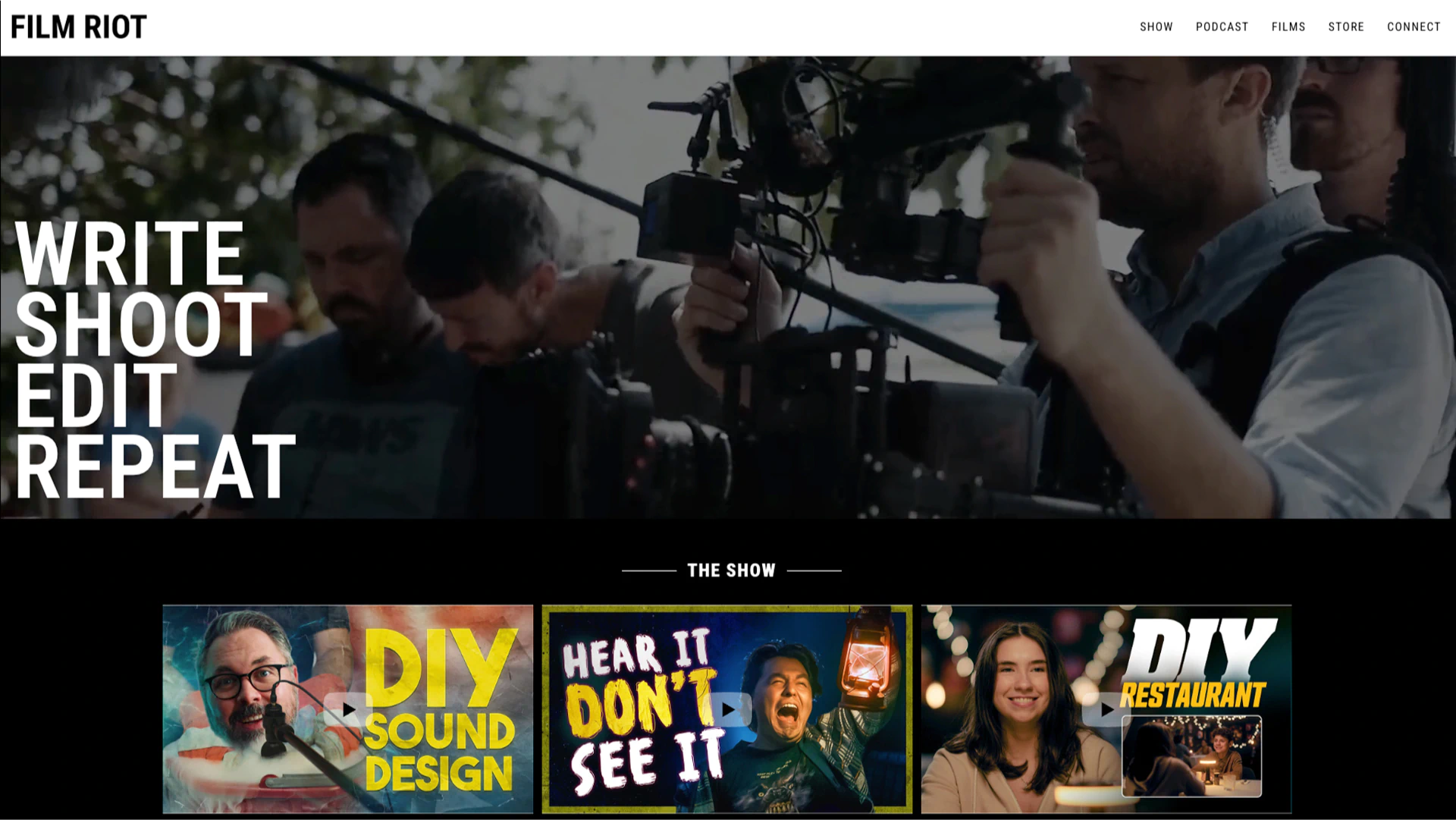
For DIY creators looking for practical, how-to tips, Film Riot blends education with humor. Film Riot is less focused on all-around-education like No Film School or MasterClass and more interested in appealing to filmmakers who need practical advice while they are working on their current project.
Run by filmmaker and YouTuber Ryan Connolly, the platform covers everything from low-budget effects to camera tests, lighting techniques, and post-production workflows. Its YouTube channel offers weekly tutorials, gear breakdowns, and short films that show techniques in action, which make it a great resource for creators who want to learn by doing.
FutureLearn / Coursera

Both FutureLearn and Coursera offer affordable, structured courses from universities and film schools, providing certificates in specialized disciplines like screenwriting, cinematography, and editing. By giving creators access to accredited filmmaking programs, these platforms make traditional film education more accessible—delivered entirely online, with the flexibility to learn at your own pace.
Whether you’re balancing freelance projects, a full-time job, or other responsibilities, FutureLearn and Coursera allow you to build your filmmaking skills on your own schedule.
LTX Studio
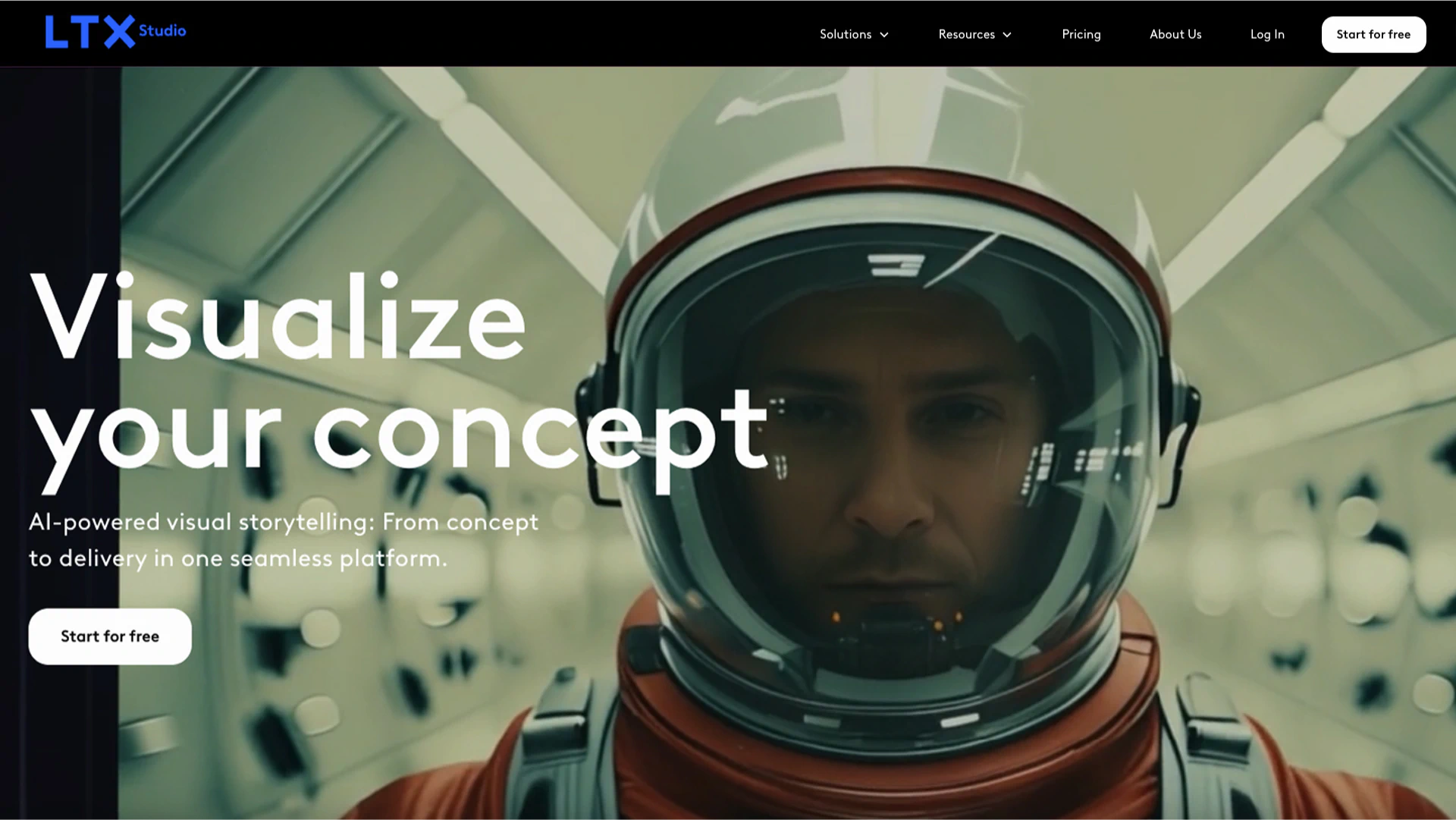
LTX Studio is one of the few platforms that encourages filmmakers to explore and embrace AI as a tool to deepen their creative output. The platform itself is built for learning by doing, offering a hands-on experience for iterating with AI-generated visuals, giving users the opportunity to learn in real time. This resource is perfect for testing ideas, which is especially useful for new filmmakers who want to explore their visual style. By streamlining creative ideation, storyboarding, and motion generation all in one platform, this resource is made for testing your ideas.
Built for teams and individual creators, LTX Studio allows a hands-on experience for various phases of video production. Users can see how a script influences a storyboard, how those visuals shape a shot-list, and how everything connects. Thus, it’s one of the only filmmaking tools that offers an integrative, non-linear approach to learning and iterative creative development.
Best Film Director Websites to Explore for Inspiration
Let’s say you’re just starting your creative journey and looking for inspiration—browsing the personal portfolio sites of independent directors can provide valuable insight into their visual style, storytelling approach, and artistic evolution. A well conceived website offers insight on how filmmakers present their work, define their personal brand, and shape their creative aesthetic.
Exploring how directors curate their online presence can help creators think more strategically about how to showcase their own style, while independent organizations like Film Independent and The Gotham spotlight underrepresented voices—curating access to rising talent and diverse voices in the film space.
If you’re looking beyond Hollywood, these are some of the best film director websites to explore for creative inspiration and insight into how working directors represent themselves.
Daniels
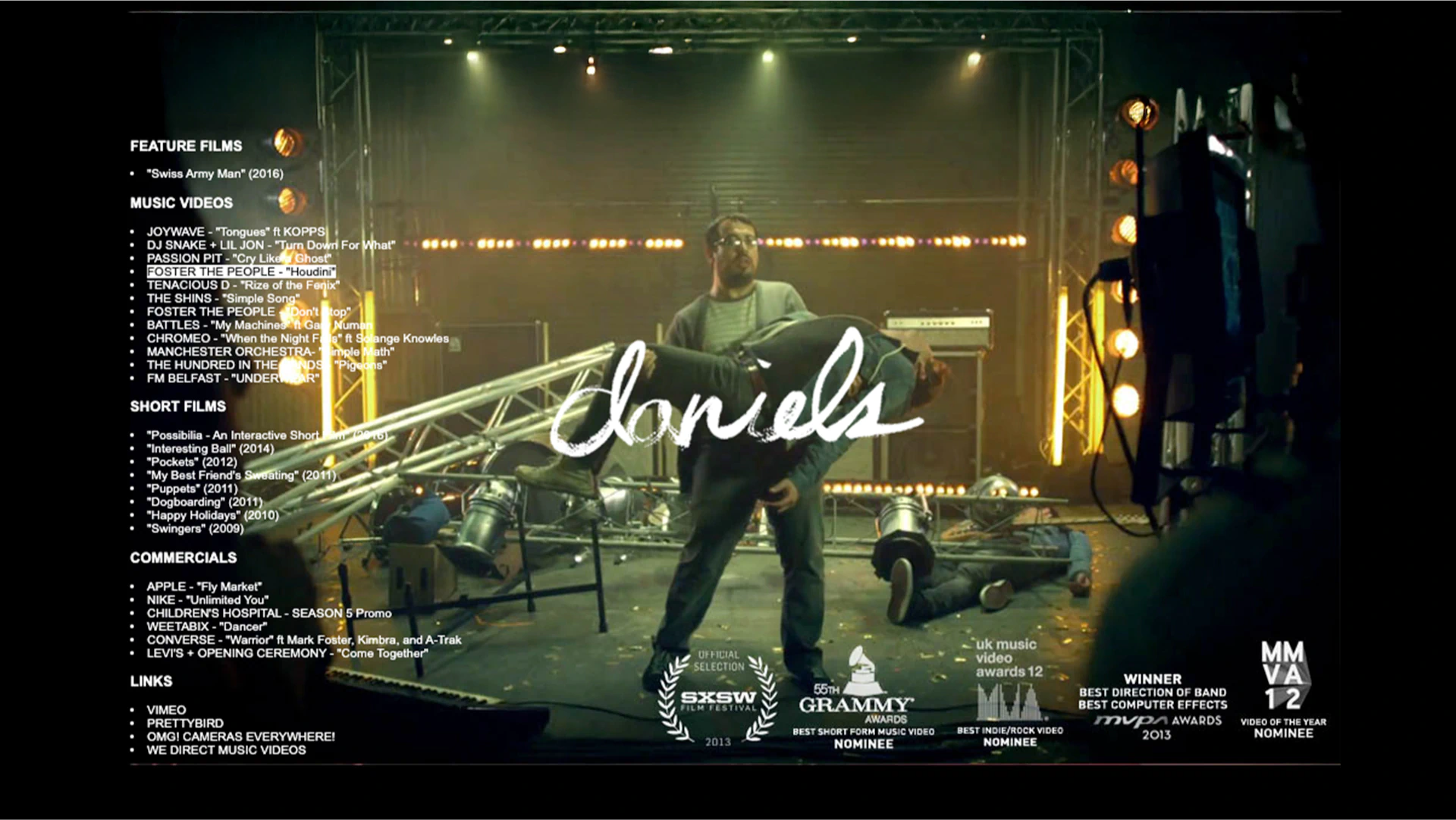
Here, we have a visually dynamic portfolio site that mirrors the Daniel duo's bold, genre-blending creative style.
- Categorized by format—music videos, shorts, and commercials—the pair shows how their aesthetic shows up across different mediums.
- Their signature style, rooted in music video experimentation, laid the foundation for projects like Everything Everywhere All at Once.
- The site is minimal in branding but rich in content and style, reinforcing the work itself as the brand.
Alessandra Lacorazza
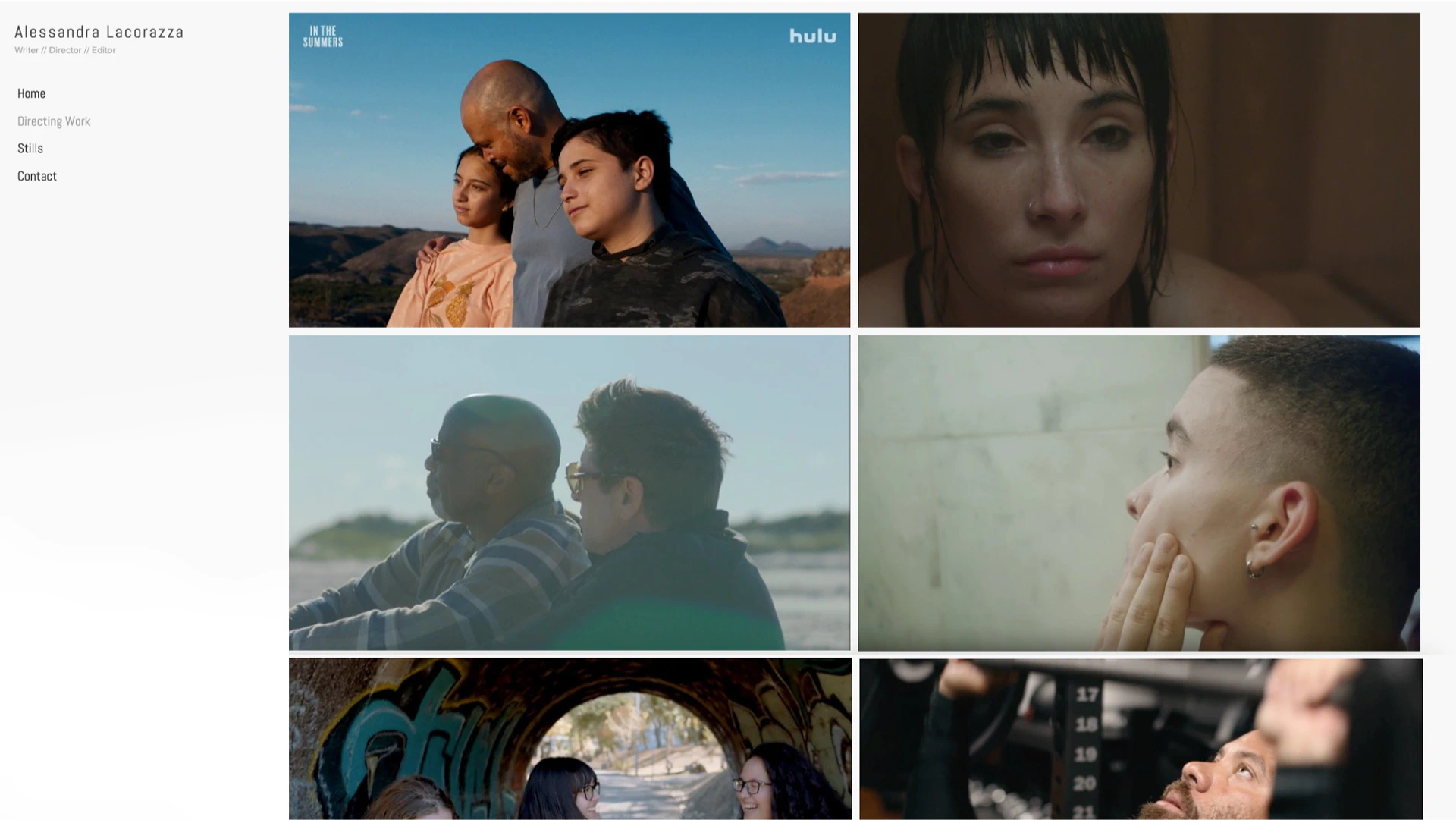
Alessandra’s website is clean and purposeful, centering around story, identity, and impact.
- Emphasizes narrative filmmaking, with visuals framed by festival recognition and thematic focus.
- Projects highlight Latinx and queer experiences, communicated through design and imagery.
- The site mirrors Lacorazza’s voice: grounded, intentional, and reflective of the communities her work uplifts.
Alex Takács
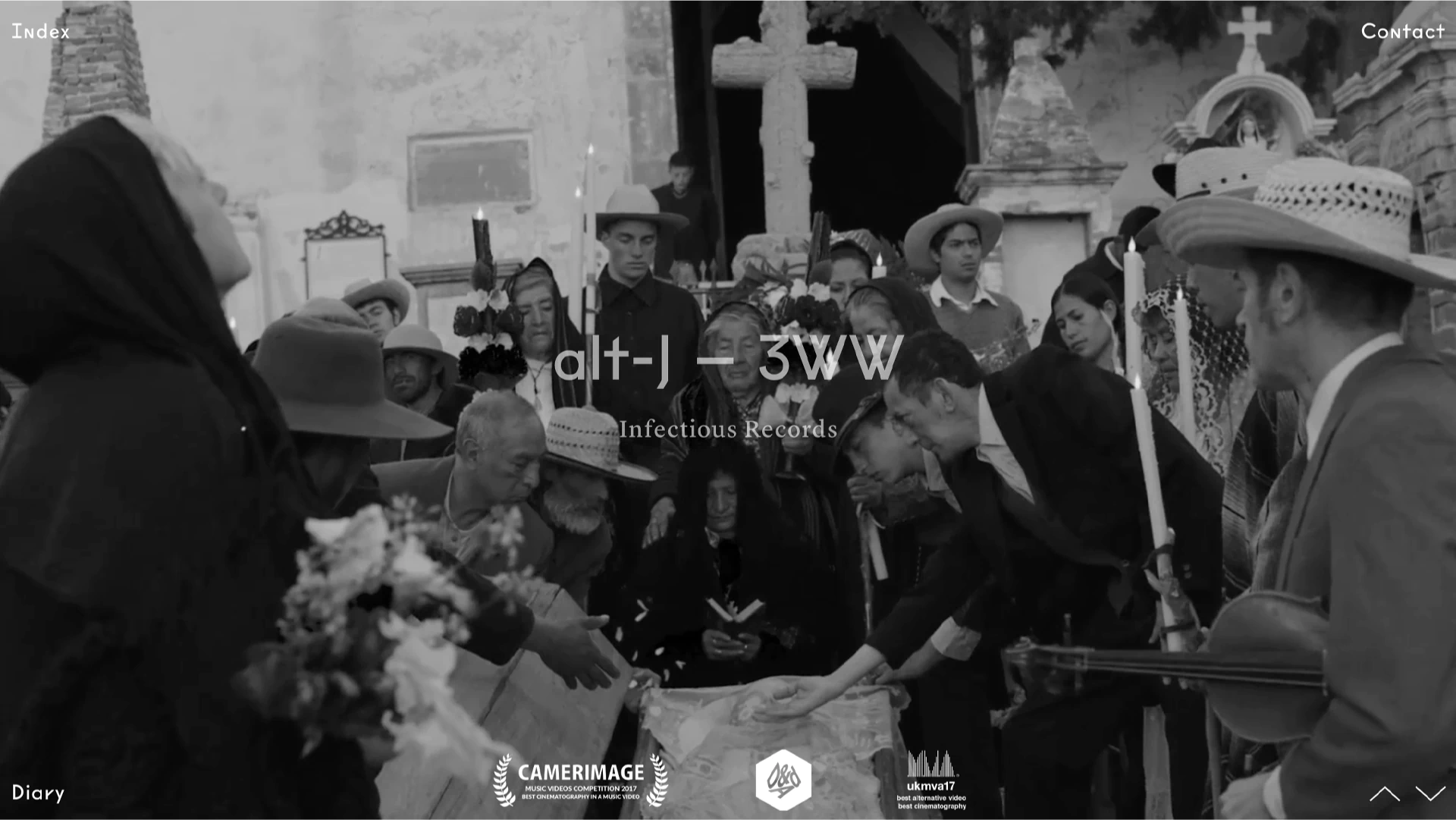
Alex’s portfolio is an immersive, cinematic site that prioritizes visual storytelling.
- Excerpts from projects play full-screen video on load, immediately drawing the viewer into each world.
- The interface is minimal, allowing the imagery to carry the experience without distraction.
- The site doubles as a curated screening room, reflecting Takács’ focus on atmosphere, mood, and visual style.
Each of these directors approaches their digital presence by using portfolio sites to showcase their work and shape how their creative brand is understood. For emerging filmmakers, these sites offer valuable examples of how to translate your vision into a personal brand.
Related posts

FAQs
What are the best sites for filmmakers in 2026?
Depends on your stage of production: Celtx for scripting, DaVinci for post, Frame.io for feedback prior to delivery, and LTX Studio for pre-production and pitching. Each tool is specialized—knowing what you need at each phase helps narrow your selection. LTX Studio is one of the only platforms that integrates scripting, storyboarding, and pitching in one environment. Its AI-forward features give creatives a powerful way to test ideas before entering production.
What are the best filmmaking websites for learning and inspiration?
MasterClass for formal courses, No Film School and Film Riot for free, hands-on learning. Podcasts, YouTube creators, and filmmaker interviews (like on IndieWire or Director’s Cut podcast) also offer valuable inspiration.
What are the best film director websites to get inspired?
Browse the portfolio links listed above. If your favorite director doesn’t have a personal site, look up their representation (talent agency) or check platforms like Vimeo Staff Picks or Directors Library. The more high-profile the director, the more likely their online presence is managed by third parties.
What are the best websites to learn filmmaking for free or cheap?
No Film School, Film Riot, and Coursera are strong options. Free tools like Celtx or LTX Studio’s trial version help test your workflow without a financial commitment. YouTube creators like DSLR Video Shooter or Gerald Undone are also highly respected.
What are the best filmmaking websites for production and editing?
Top platforms include LTX Studio for AI-powered concept development and storyboarding, Celtx for screenwriting with industry-standard formatting and pre-production tools, DaVinci Resolve for professional post-production and color correction, and Frame.io for cloud-based creative review and collaboration with real-time feedback and version control.
What are the best websites to learn filmmaking?
Best learning platforms is LTX Studio for learning by doing with AI-powered tools. MasterClass for cinematic lessons from acclaimed filmmakers, No Film School for free articles and practical DIY education, Film Riot for hands-on tutorials and gear reviews, FutureLearn and Coursera for structured courses from universities with certificates.
Where can filmmakers find inspiration online?
Explore personal portfolio sites of independent directors like Daniels (bold genre-blending style), Alessandra Lacorazza (narrative filmmaking focused on identity), and Alex Takács (immersive cinematic sites). Also check platforms like Vimeo Staff Picks, Directors Library, Film Independent, and The Gotham for curated access to diverse voices and rising talent.