
Pitching a TV show is an art. It’s your chance to transform a creative idea into a compelling story that grabs the attention of producers, executives, or networks. A great pitch doesn’t just convey what your show is about—it makes people see its potential and want to be a part of its journey.
Whether you're looking to pitch a TV series to traditional networks or wondering how to pitch a Netflix show, we’ll explore strategies for success, real-world inspiration, and how tools like LTX Studio can help elevate your pitch.
How to Pitch a Show: The Essential Elements
Creating a successful TV show pitch starts with understanding what executives want to see. It's not just about having a great concept—you need to articulate and present your vision in a way that makes producers and networks see its unique potential. Producers want to know the genre, the main characters, the central conflict, and what sets your series apart.
Let’s take a look at Stranger Things as an example. When pitching, the Duffer Brothers didn’t just sell it as a supernatural thriller—they emphasized its nostalgic 1980s setting, heartfelt relationships, and a blend of mystery and emotional depth. This level of clarity made their idea stand out in a crowded market.
A concise logline and a clear synopsis are key elements of any pitch. Your logline should hook the audience in one or two sentences, while your synopsis provides a snapshot of the broader story. These foundational elements form the backbone of your pitch.
These days, it’s important to note that you may be pitching your idea to different audiences with different stakeholders and decision makers.

How to Pitch a TV Show Idea to a Network
Traditionally, when someone wanted to pitch an idea for a TV show, this automatically meant going to the cable TV networks. When pitching to these larger, more traditional players, you'll need more than just enthusiasm. Networks want to see:
- A clear understanding of their audience and programming needs
- How your show fits into their current lineup
- Potential for long-term success and viewer engagement
- Budget considerations and production requirements
These are important considerations that need to be taken into account, specifically when pitching to networks.
Pitching a Show to Netflix
Today, Netflix has revolutionized how creators can pitch a show to streaming platforms. Almost anyone can submit an idea to streaming platforms such as Netflix, but do keep in mind that their criteria will be different than more traditional networks. When pitching a show to Netflix, focus on:
- Global appeal and potential international audiences
- Binge-worthy narrative structures
- Unique perspectives that aren't currently represented in their catalog
- Clear target demographic alignment

Of course with all of that being said, make sure to research your audience's priorities and preferences before making your pitch.
Example of a TV Show Pitch: Learning from Success
Let's jump back to Stranger Things – this example is a masterclass in pitching a TV show idea. The Duffer Brothers succeeded because they:
- Created a compelling pitch document that outlined their unique vision
- Demonstrated clear influences while offering something fresh
- Provided strong visual references that conveyed the show's tone
- Understood their target audience and market potential
.webp)
Crafting Your Pitch Materials
Every successful pitch needs strong supporting materials that really showcase your concept. Your pitch deck (or pitch deck PDF) should include a gripping logline that captures your concept in one sentence, character breakdowns with potential casting suggestions, visual mood boards and style references, episode outlines for the first season, and budget estimates and production requirements.
Using Visual Tools Like LTX Studio
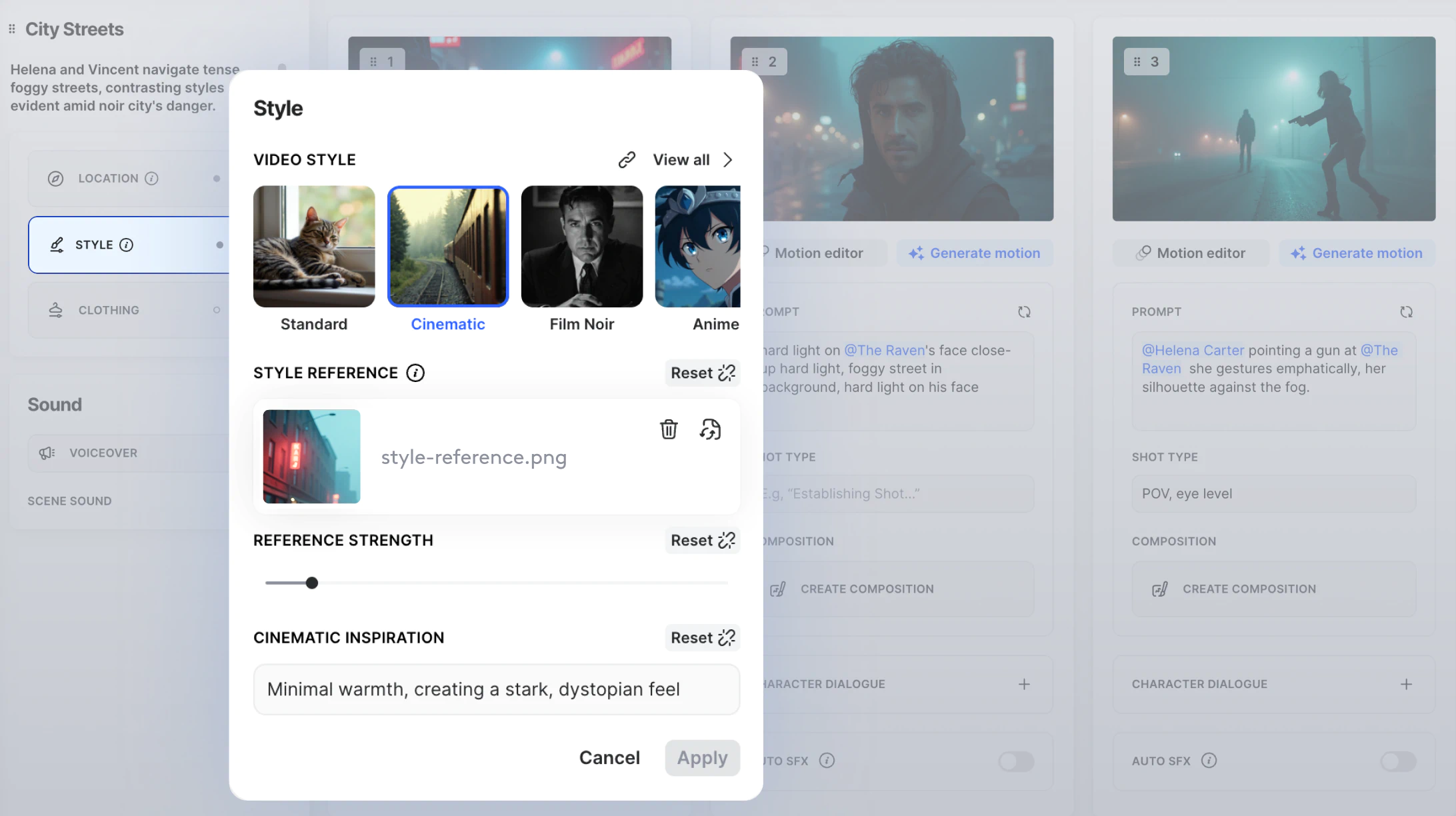
LTX Studio can help elevate your pitch by creating professional-quality visuals that bring your vision to life. Whether you're developing concept art, character designs, or setting illustrations, having polished visual elements makes your pitch more compelling. The best part? All you have to do is input your concept, define a few initial parameters (which can be changed and edited at will) and the platform will automatically create a polished pitch deck based on your inputs.
The Power of Visual Storytelling
Strong visuals don't just support your pitch—they help tell your story. In addition to a full pitch deck, you can use LTX Studio to create character visualization, setting concepts, mood boards, and storyboard sequences.
These assets are downloaded into a .zip file that can be imported into different editing software, ensuring you have everything you need to present your concept.
Delivering a Winning Pitch
Remember, when the times comes to present, it’s important to touch on these key points:
- Start with a hook that grabs attention
- Use your pitch deck as a guide, not a script
- Show enthusiasm and confidence
- Be prepared for questions about long-term story potential
- Demonstrate market awareness and audience understanding
Final Thoughts
Learning how to pitch a show successfully combines art and strategy. Whether you're creating a TV show pitch for traditional networks or streaming platforms, remember that preparation and presentation quality matter just as much as your core idea. With tools like LTX Studio and a well-crafted pitch document, you can present your vision professionally and convincingly.
The path from concept to screen may seem daunting, but with these strategies and tools, you're well-equipped to make an impact. Your show could be the next example of a TV show pitch that opens new doors in the entertainment industry.
Related posts