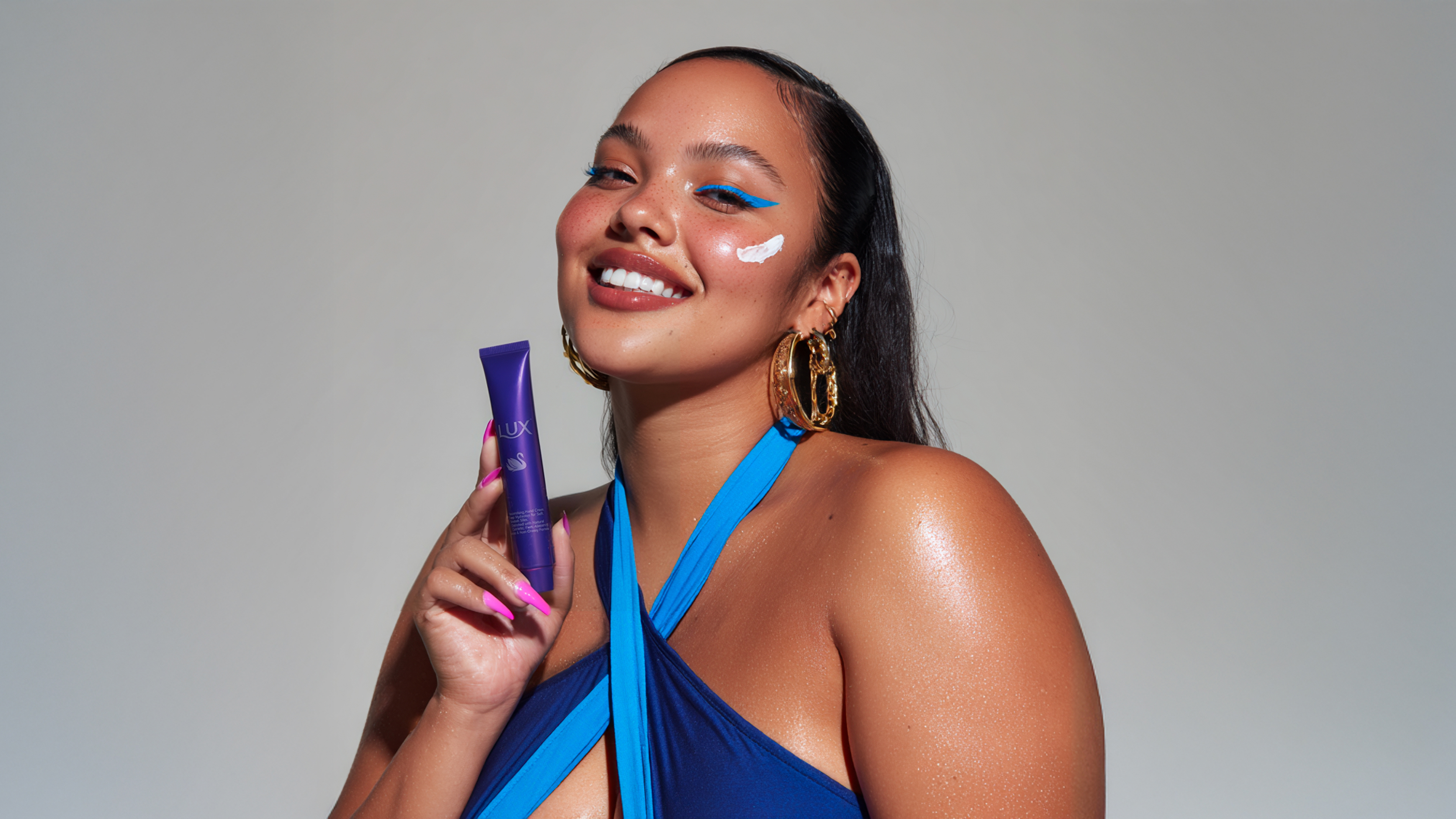
- AI marketing in 2026 will center on hyper-personalization at scale, automated video content production, and predictive analytics that optimize campaigns in real time
- Video content dominates marketing strategy, with AI tools enabling brands to produce cinematic-quality content in hours instead of weeks
- Social media platforms prioritize AI-generated short-form video, with algorithms favoring consistent, high-quality visual content
- LTX Studio provides end-to-end AI video production capabilities that align with 2026's biggest marketing trends, from character consistency to multi-platform optimization
As we close out 2025, marketing has transformed more in the past three years than in the previous decade.
AI moved from experimental technology to essential infrastructure. Brands that treated AI as optional fell behind. Those that integrated it strategically pulled ahead.
2026 brings another acceleration. The question isn't whether to use AI in marketing anymore. It's how to use it effectively while competitors do the same.
The brands winning in 2026 will combine AI efficiency with human strategy. They'll automate repetitive execution while focusing creative energy on messaging, positioning, and customer understanding.
They'll use AI to produce more content faster without sacrificing quality or authenticity.
This guide breaks down the AI marketing trends defining 2026 and shows you how to implement them using tools built for this new reality.
The Top AI Marketing Trends For 2026
Marketing strategies evolve rapidly, but a few clear trends will separate leaders from followers in 2026.
AI-Powered Video Content at Scale
Video content drives the highest engagement across every platform, but traditional production can't keep up with demand.
Brands need dozens of variations for testing, localization, and platform optimization. Filming everything isn't feasible.
AI video generation solves this bottleneck. Tools like LTX Studio enable marketers to produce professional-quality video content from scripts in hours, not weeks.
You maintain creative control over motion, composition, and pacing while eliminating location shoots, talent scheduling, and post-production delays.
The data backing this trend:
Wyzowl's 2025 Video Marketing Report shows that 91% of businesses now use video as a marketing tool, up from 86% in 2023.
More significantly, 96% of marketers say video has helped increase user understanding of their product or service, while 90% report video generates leads directly.
The challenge isn't whether video works. It's producing enough of it. Traditional video production averages $5,000-$50,000 per finished minute.
AI video generation costs a fraction of that while producing unlimited variations for A/B testing.
How LTX Studio addresses this:
LTX Studio's script-to-video capability transforms written concepts into complete video sequences with AI-generated visuals, motion controls, and audio integration.
Generate multiple campaign variations simultaneously, test different messaging angles, and produce platform-specific formats without expanding production budgets.
The result: brands can maintain consistent video presence across YouTube, Instagram, TikTok, LinkedIn, and paid channels without the traditional production constraints that limit output.
Hyper-Personalization Through Predictive AI
Generic marketing messages don't convert anymore. Audiences expect content that speaks directly to their needs, interests, and stage in the buyer journey.
AI-powered personalization moves beyond basic demographic targeting to predictive behavioral analysis.
Machine learning models analyze user behavior patterns, purchase history, content engagement, and browsing signals to predict what each customer needs next, then deliver personalized content automatically.
.jpeg)
The data backing this trend:
McKinsey research shows that 71% of consumers expect personalized interactions from brands, and 76% get frustrated when this doesn't happen.
More importantly, companies that excel at personalization generate 40% more revenue than average performers.
Dynamic video personalization takes this further. Instead of creating one generic ad, AI generates variations with different messaging, visuals, and calls-to-action based on viewer demographics, behavior, and preferences.
How LTX Studio addresses this:
LTX Studio enables rapid generation of video variations from a single master concept. Change character appearances, adjust messaging, modify visual styles, and test different creative approaches without reshooting anything.
The character generator maintains consistency across variations while allowing targeted customization for different audience segments.
This lets marketing teams create personalized video campaigns at scale: one version for enterprise buyers, another for small businesses, variations for different regions, and A/B test options for performance optimization.
Real-Time Campaign Optimization with AI Analytics
Marketing used to mean launching a campaign and hoping it worked. In 2026, AI will optimize campaigns while they run.
Real-time analytics platforms powered by machine learning monitor campaign performance across channels, identify which creative assets drive conversions, automatically allocate budget to top performers, and pause underperforming elements before wasting spend.
The data backing this trend:
According to Salesforce's State of Marketing report, 84% of marketers use AI for real-time personalization, and 80% report that AI helps them respond to customer needs more quickly.
Marketing teams using AI-powered optimization see 30% higher ROI on advertising spend compared to manual optimization.
The shift from set-it-and-forget-it campaigns to continuous optimization means marketing teams need tools that produce content fast enough to keep up with algorithmic recommendations.
How LTX Studio addresses this:
When AI analytics identify that certain visual styles, messaging angles, or creative formats outperform others, LTX Studio lets you generate new variations immediately.
Instead of waiting weeks for traditional production, create optimized video assets in hours and deploy them while the insights are still relevant.
This speed advantage compounds over time. While competitors iterate monthly, you iterate weekly or daily, accumulating performance advantages that become insurmountable.
AI-Generated Characters for Brand Consistency
Building brand recognition requires visual consistency. The same spokesperson, character, or visual style appearing across every touchpoint creates familiarity and trust.
Traditional approaches face limitations. Hiring the same actor for every video gets expensive. They might become unavailable. Their personal brand might overshadow yours.
Managing this consistency across hundreds of content pieces becomes logistically complex.
AI-generated brand characters solve this. Create a digital representative that appears consistently across all content, never ages or becomes unavailable, maintains perfect visual consistency, and scales production without scheduling or availability constraints.

The data backing this trend:
Research from Lucidpress shows that consistent brand presentation increases revenue by 33%. Yet 60% of companies struggle to maintain brand consistency across channels.
The challenge multiplies with video content, where maintaining consistent talent, styling, and visual identity across productions requires significant coordination.
How LTX Studio addresses this:
LTX Studio's AI character generator creates consistent brand representatives that appear across unlimited video content. Generate the same character in different scenarios, environments, and contexts while maintaining perfect visual consistency.
No scheduling. No availability issues. No visual drift between productions.
This enables brand-building strategies previously available only to companies with massive production budgets and dedicated talent contracts.
Automated Content Localization and Adaptation
Global brands need localized content. The same campaign doesn't work in every market. Cultural nuances, language differences, and regional preferences require adaptation.
Traditional localization means separate production for each market. That's expensive and slow. AI-powered adaptation generates market-specific variations from a single master asset.
The data backing this trend:
CSA Research found that 76% of online shoppers prefer to buy products with information in their native language, and 40% will never purchase from websites in other languages.
Video content faces even higher localization demands, as cultural context and visual preferences vary dramatically across regions.
Global video localization traditionally costs $50-$200 per minute for translation, voiceover, and cultural adaptation. Producing separate versions for 10 markets means 10x the budget and timeline.
How LTX Studio addresses this:
Generate video variations adapted for different markets without reshooting. Adjust character appearances to match regional demographics, modify visual elements to align with cultural preferences, and integrate localized voiceovers while maintaining core brand consistency.
This turns global marketing from a massive production challenge into a strategic content deployment exercise.
Voice and Audio AI for Enhanced Engagement
Audio quality determines whether audiences finish watching your content. Poor voiceover, mismatched audio, or inconsistent sound design causes drop-off even when visuals are strong.
AI voice generation and audio tools ensure professional-quality sound without recording studios or voice talent coordination.
The data backing this trend:
According to Verizon Media research, 69% of consumers prefer video content with no sound or low volume when in public spaces, making text overlays and captions essential.
However, when sound is available, 80% of consumers are more likely to watch an entire video when it includes high-quality audio.
The dual requirement creates production complexity: content needs to work with and without audio, requiring both strong visual storytelling and professional voiceover when sound is enabled.
How LTX Studio addresses this:
LTX Studio integrates audio capabilities including professional voiceover tools, searchable music libraries, sound effect integration, and lip-sync for AI-generated characters.
This ensures every video works with or without sound while maintaining professional quality standards when audio is enabled.
AI Trends In The Social Media Market
Social media marketing evolves faster than any other channel. Platform algorithms shift constantly. Content formats that worked last quarter become obsolete.
Staying competitive in 2026 will require tools that adapt as quickly as the platforms themselves.
Short-Form Video Dominance Across All Platforms
Short-form video isn't just a TikTok trend anymore. Instagram Reels, YouTube Shorts, LinkedIn video posts, and even Twitter video all prioritize brief, engaging content under 60 seconds.
The format demands constant production. Brands posting once weekly get buried. Consistent daily or multiple-times-daily posting drives algorithmic visibility.
The data backing this trend:
According to Hootsuite's 2025 Social Media Trends Report, short-form video generates 2.5x more engagement than any other content type.
Platforms prioritize it algorithmically. Brands posting short-form video at least three times weekly see 67% more reach than those posting less frequently.
The production challenge is obvious: creating multiple high-quality short videos weekly requires resources most teams don't have.

How LTX Studio addresses this:
Generate multiple short-form videos from a single concept or script. LTX Studio outputs in every aspect ratio: 16:9 for YouTube, 9:16 for Reels and TikTok, 1:1 for feed posts.
Create variations testing different hooks, messaging, or visual styles, then deploy the winners based on early performance data.
This volume advantage matters. While competitors struggle to produce three videos weekly, you test a dozen variations and scale what works.
AI-Driven Content Personalization for Audience Segments
Social platforms increasingly allow granular audience targeting. You can reach CFOs at manufacturing companies, fitness enthusiasts in specific cities, or parents of toddlers interested in educational content.
Generic content wastes this targeting capability. Personalized video that speaks directly to each segment converts better.
The data backing this trend:
Sprout Social research shows that 74% of consumers feel frustrated when website content isn't personalized to their interests. On social media, where users scroll rapidly and attention spans measure in seconds, personalized content performs 6x better than generic messaging.
Creating unique video content for every audience segment used to be prohibitively expensive. AI generation changes the economics.
How LTX Studio addresses this:
Generate audience-specific video variations from a single concept. Adjust character demographics to match target audiences, modify messaging to address segment-specific pain points, and change visual styles to align with aesthetic preferences.
Deploy targeted campaigns where each audience segment sees content that feels personally relevant.
Consistent Visual Branding Across Rapid Content Production
Brand recognition on social media requires visual consistency. The same color schemes, character designs, typography, and aesthetic appearing in every post.
High-volume content production threatens this consistency. When you're producing multiple videos weekly, maintaining brand standards becomes challenging.
The data backing this trend:
Research from Lucidpress shows that consistent brand presentation across all platforms increases revenue by 23%. On social media specifically, consistent visual branding improves audience recall by 3-4x according to Social Media Examiner data.
Yet most brands struggle. The same Lucidpress study found that only 28% of companies maintain strong brand consistency across social channels, primarily because high-volume content production makes standardization difficult.
How LTX Studio addresses this:
Establish brand visual standards once, then apply them automatically across all content. Create character designs that appear consistently across every video, define motion styles and camera work that become part of your brand identity, and set color grading and visual aesthetics that apply uniformly.
This ensures every video feels cohesively part of your brand regardless of who on your team creates it or how quickly you're producing content.
Using LTX Studio To Boost Your AI Marketing
AI marketing trends mean nothing without execution tools. LTX Studio provides the infrastructure for implementing 2026's biggest marketing strategies.
End-to-End Video Production Workflow
Traditional video marketing involves multiple disconnected tools: scriptwriting software, filming equipment, editing platforms, audio production tools, and distribution systems. Each transition introduces friction, delay, and coordination overhead.
LTX Studio consolidates the entire workflow:
- Upload scripts or concepts to generate initial video sequences
- Apply motion controls and camera movements for cinematic quality
- Integrate voiceover, music, and sound effects
- Generate platform-specific formats and aspect ratios
- Export production-ready files for immediate deployment
This unified workflow eliminates the context-switching and tool coordination that slows traditional production. Your team works in one platform from concept to published content.
Scalable Content Production Without Expanding Headcount
Marketing teams face constant pressure to produce more content without proportional budget increases. Traditional scaling means hiring more people, which means higher costs, management overhead, and coordination complexity.
AI video production scales differently. Once you establish brand standards, content templates, and messaging frameworks, LTX Studio produces unlimited variations without additional personnel.
This changes marketing economics fundamentally:
- Generate dozens of A/B test variations simultaneously
- Create personalized content for every audience segment
- Produce platform-specific formats without separate productions
- Adapt winning content into new variations instantly
The result is marketing output that scales exponentially while costs scale linearly.
Professional Quality That Maintains Brand Standards
AI-generated content faces a perception challenge: audiences expect it to look generic or low-quality. That's true for basic tools.
Professional AI video platforms like LTX Studio produce cinematic-quality output that matches or exceeds traditional production standards.
The platform provides motion controls for professional camera work (dolly shots, crane movements, dynamic framing), character consistency across all content pieces, cinematic color grading and visual polish, professional audio integration and mixing, and export options supporting 4K resolution and broadcast standards.
This quality level ensures AI-generated content doesn't signal its synthetic origin, maintaining audience trust and brand perception.
Rapid Iteration Based on Performance Data
Modern marketing requires constant iteration. Launch content, measure performance, generate improved versions, repeat. The faster you iterate, the better your results compound over time.
LTX Studio's production speed enables iteration cycles traditional video can't match. Generate new video variations in hours instead of weeks, test different messaging angles simultaneously, adapt winning elements into new content immediately, and respond to trending topics and cultural moments while they're relevant.
This velocity advantage accumulates. Your competitors iterate monthly. You iterate weekly. Over a year, you've completed 52 improvement cycles while they've done 12.
Integration with Existing Marketing Infrastructure
AI tools only help if they integrate smoothly into existing workflows. LTX Studio works alongside your current marketing stack by exporting videos in formats compatible with all social platforms, generating assets that integrate with email marketing campaigns, producing content that works in paid advertising platforms, and creating videos that embed in websites and landing pages.
No workflow disruption. No forcing your team to abandon familiar tools. Just faster, better video content feeding into the marketing infrastructure you already use.
Conclusion
AI marketing in 2026 won't be about replacing human creativity with automation. It will be about using AI to execute faster, test more variations, and personalize at scale while human strategists focus on messaging, positioning, and customer understanding.
The brands that will succeed with AI marketing share common patterns: they use AI for production and optimization while keeping strategic decisions in human hands, they iterate constantly based on performance data, and they maintain brand consistency even while producing content at unprecedented volume.
Video content sits at the center of these strategies. It drives the highest engagement, works across every platform, and scales effectively when produced with AI tools built for professional marketing teams.
LTX Studio provides the infrastructure for implementing 2026's AI marketing trends.
From character consistency that builds brand recognition to rapid production that enables continuous iteration, the platform delivers the capabilities successful marketing teams will need.
Ready to implement AI marketing strategies that actually work? Start creating with LTX Studio and experience how professional AI video production transforms marketing performance.
Related posts

AI Marketing Trends FAQs
What are the biggest AI marketing trends for 2026?
The biggest AI marketing trends for 2026 include AI-powered video content production at scale, hyper-personalization through predictive analytics, real-time campaign optimization, AI-generated brand characters for consistency, automated content localization, and voice AI for enhanced engagement. These trends will enable brands to produce more content faster while maintaining quality and personalization at levels previously impossible with traditional methods.
How is AI changing social media marketing?
AI transforms social media marketing through short-form video dominance requiring constant content production, AI-driven personalization for different audience segments, and consistent visual branding across high-volume output. Platforms prioritize AI-generated video content, with brands posting multiple times weekly seeing 67% more reach. AI tools like LTX Studio enable this volume while maintaining brand consistency and professional quality.
How can LTX Studio help with AI marketing in 2026?
LTX Studio provides end-to-end AI video production capabilities aligned with 2026 marketing trends: script-to-video generation for rapid content creation, consistent character generation for brand recognition, multi-platform optimization for social media dominance, professional motion controls for cinematic quality, and rapid iteration based on performance data. The platform enables marketing teams to produce unlimited video variations without expanding production budgets or headcount.