
Tally Moran
Tally is the Content Manager for LTX, shaping content around its models, technology, and evolving capabilities in generative AI.
//
Posts by this author
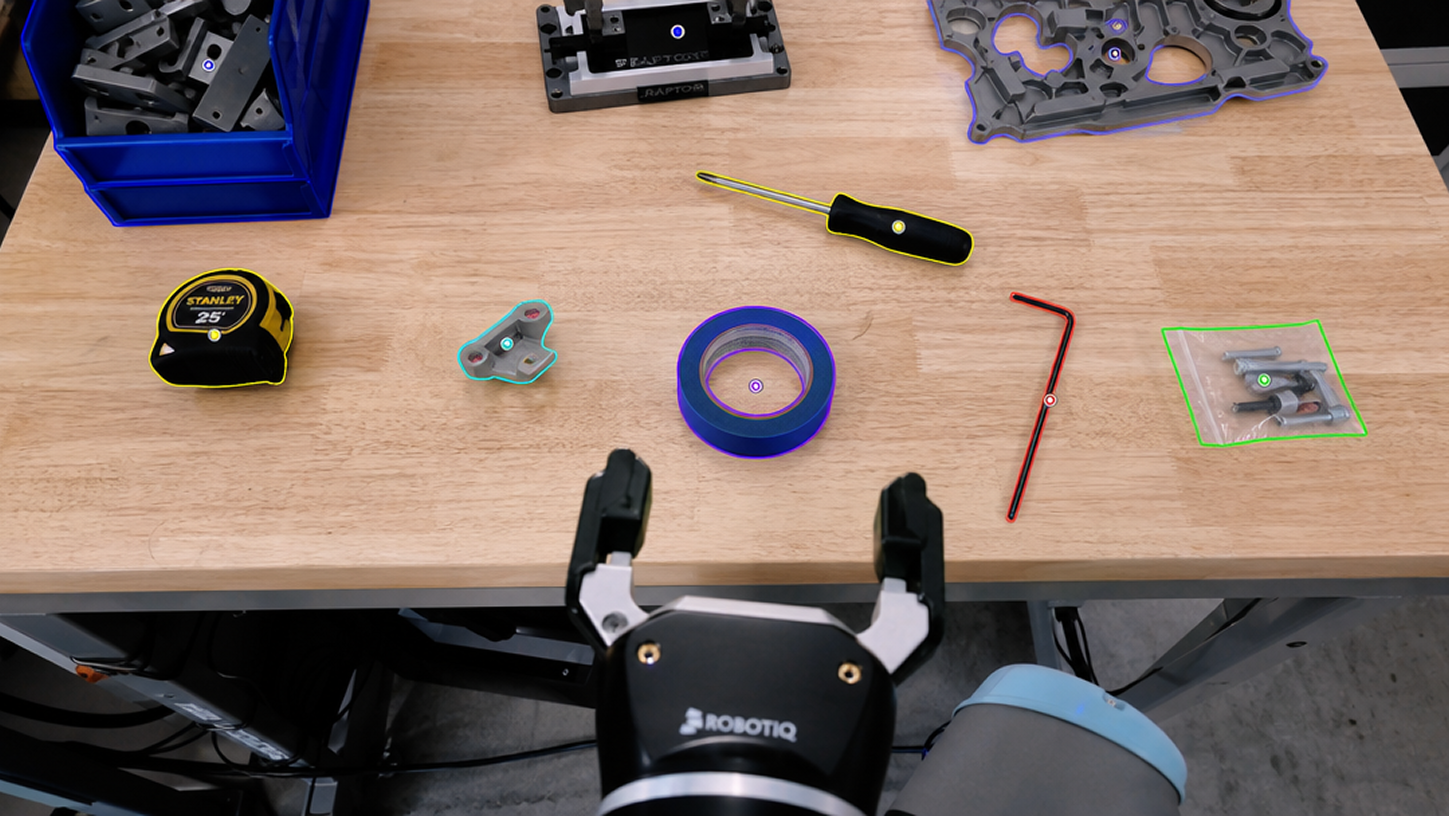
Private Deployment of AI Video Models: On-Premise Benefits & Meaning
Why enterprises run AI video models privately: data privacy, IP protection, and cost control, plus how LTX-2.5 supports local and on-premise deployment.

What Training Data Do You Need To Fine-Tune A Video Generation Model?
What training data do you need to fine-tune a video generation model? A practical guide to datasets, clip rules, and captions for LTX-2.5 LoRA training.

Best 5 Video Generation APIs In 2026 (Compared)
Comparing the best video generation APIs in 2026 by access model, deployment, native audio, and pricing, so you can choose the right one for production.

Understanding LTX's API Pricing: How to Estimate Your Spend
How LTX API pricing works: the per-second cost by model tier and resolution, the SKU system, prepaid vs postpaid billing, and how to estimate your spend.
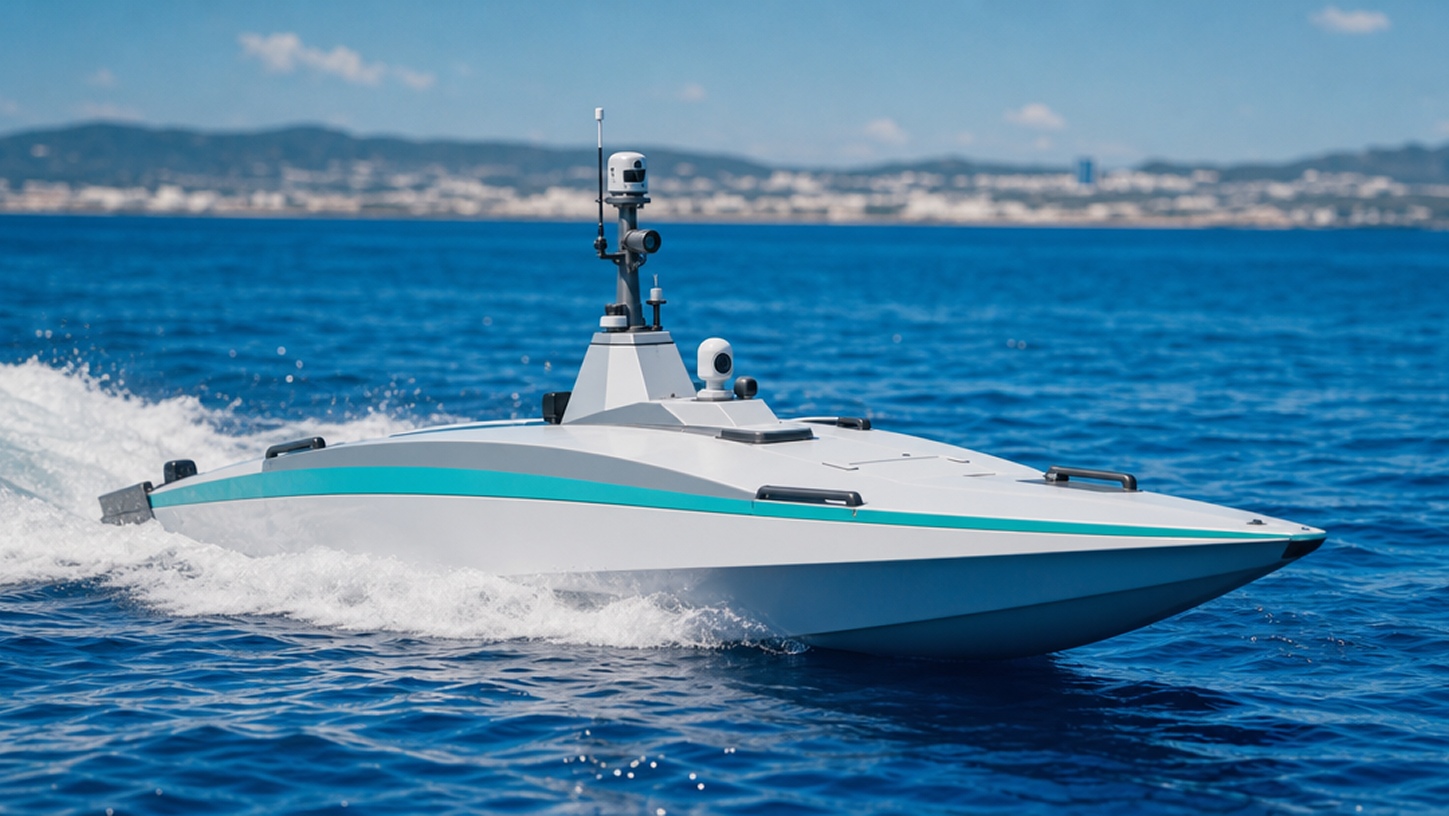
LTX is Part of the NVIDIA Cosmos Coalition: What It Means for Open World Models
LTX joins NVIDIA's Cosmos Coalition as a founding member alongside Runway, Black Forest Labs, and Skild AI, building on the new Cosmos 3 model.
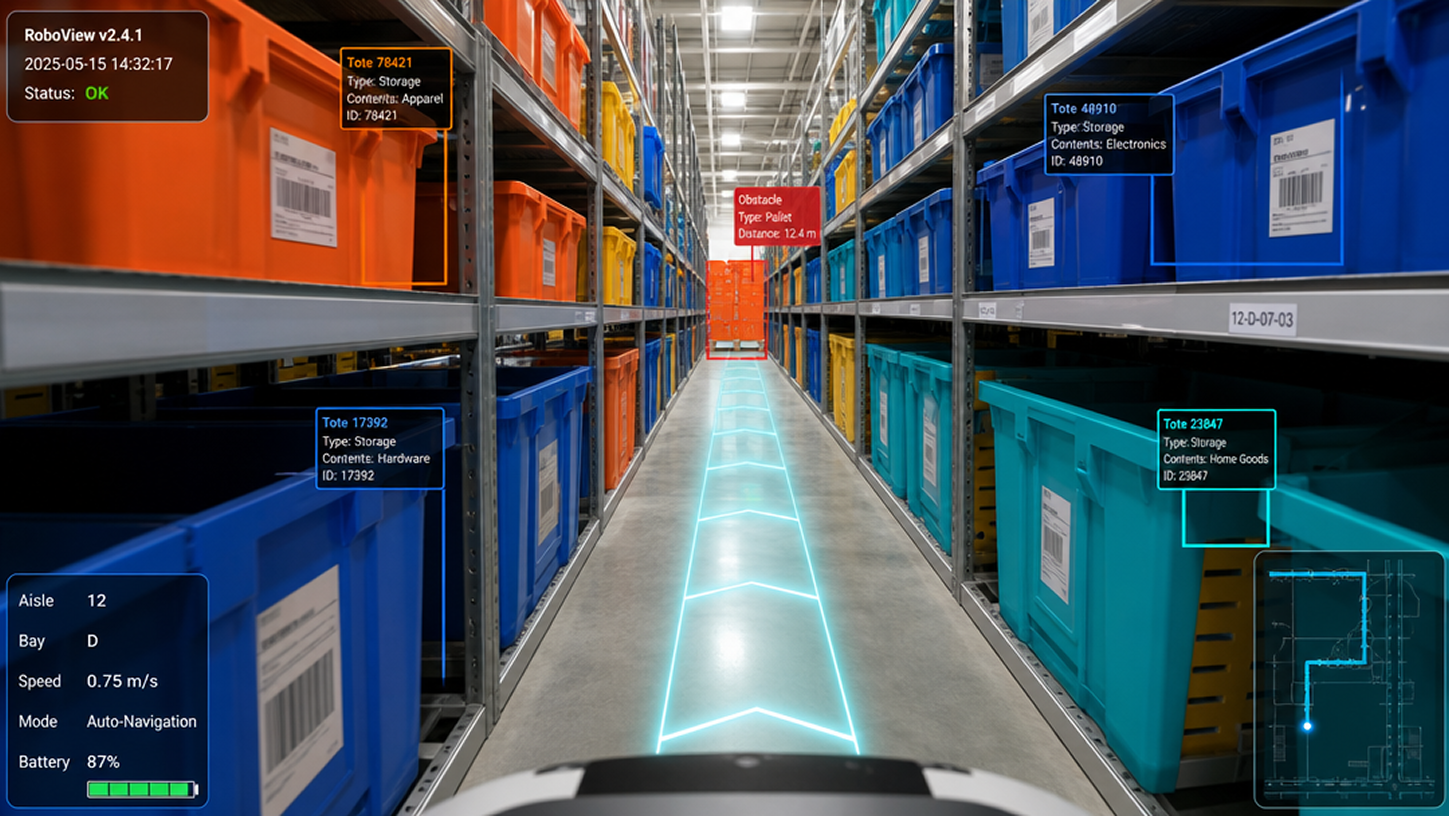
Best World Models in 2026 (Open & Closed)
The best world models for physical AI and real-time environments in 2026, ranked on openness, speed, and what you can actually build on.
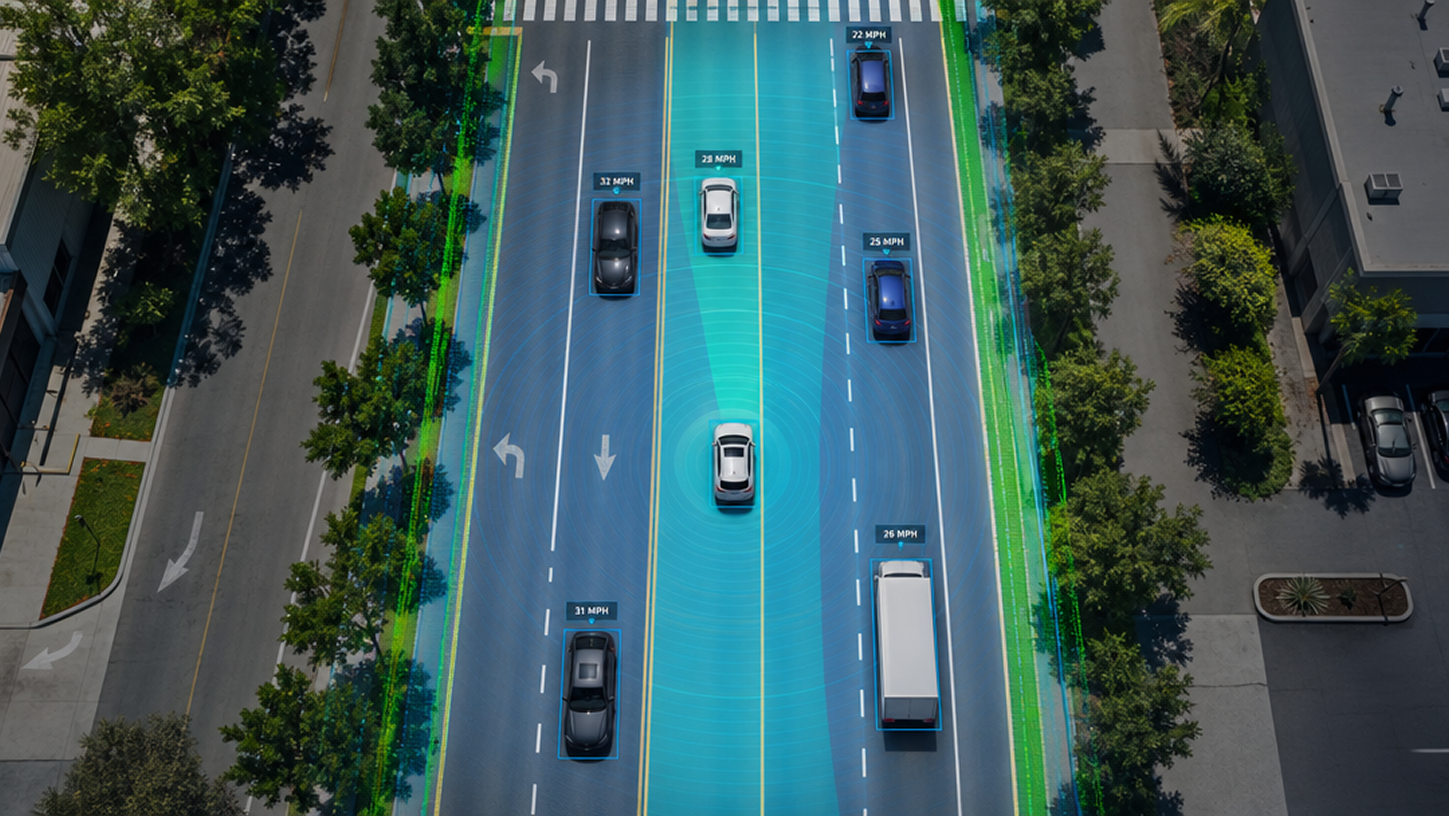
World Models vs. LLMs: What's the Difference & Why It Matters
World models vs. LLMs: same table, different jobs. See how each predicts, where each breaks, and how LTX-2.5 fits into the world model side.
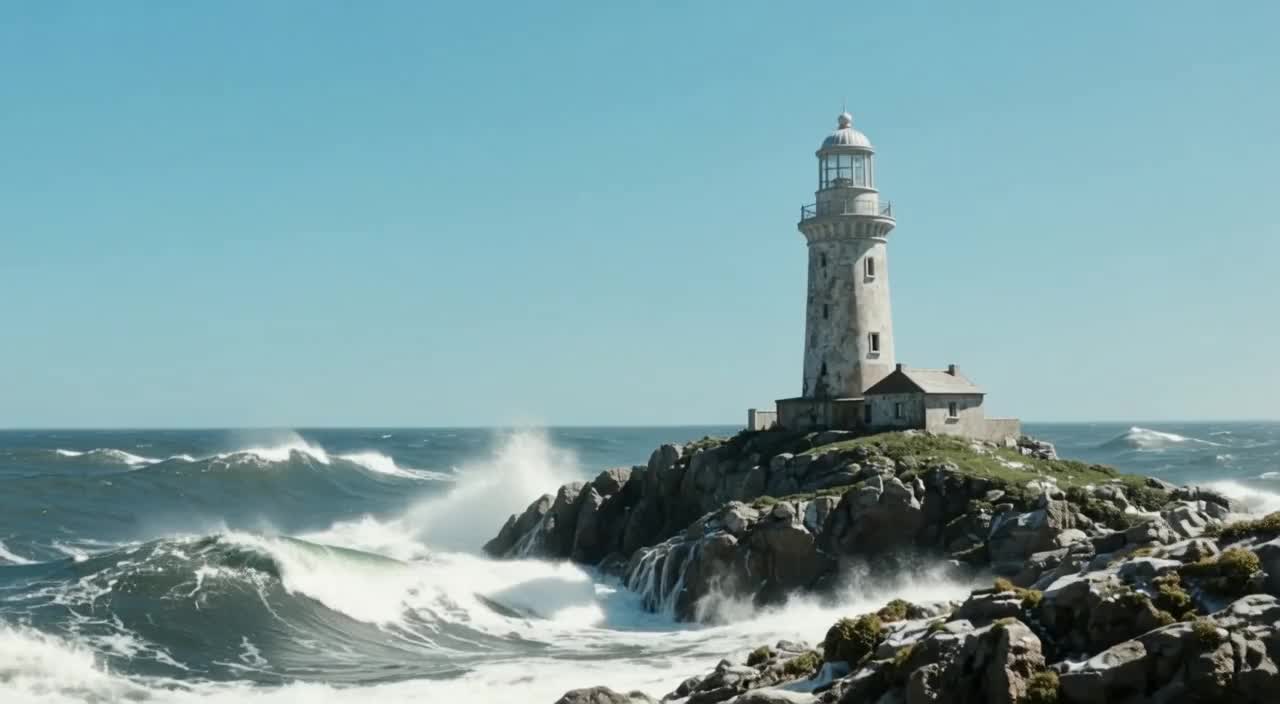
Relight Exterior Footage to Any Sun Direction: Relight IC-LoRA For LTX-2.3
Relight IC-LoRA for LTX-2.3 rewrites sunlight in exterior footage to any direction and look using a light-direction sphere. Full relight in a single pass.
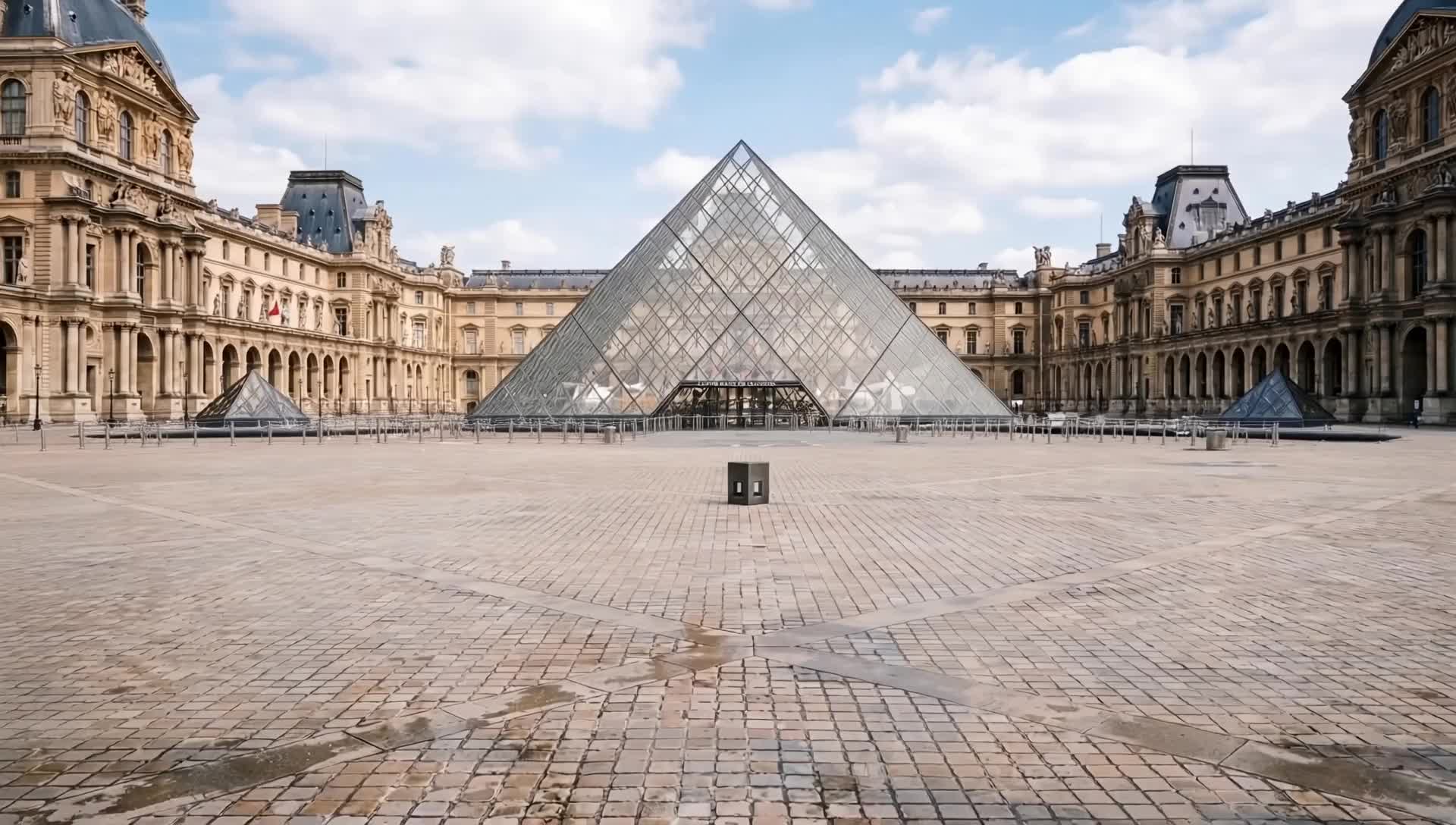
Remove People and Shadows from Video: Clean Plate LoRA
Clean Plate LoRA for LTX-2.3 removes people, vehicles, and their shadows from video, then inpaints a seamless background in a single pass. No manual roto.
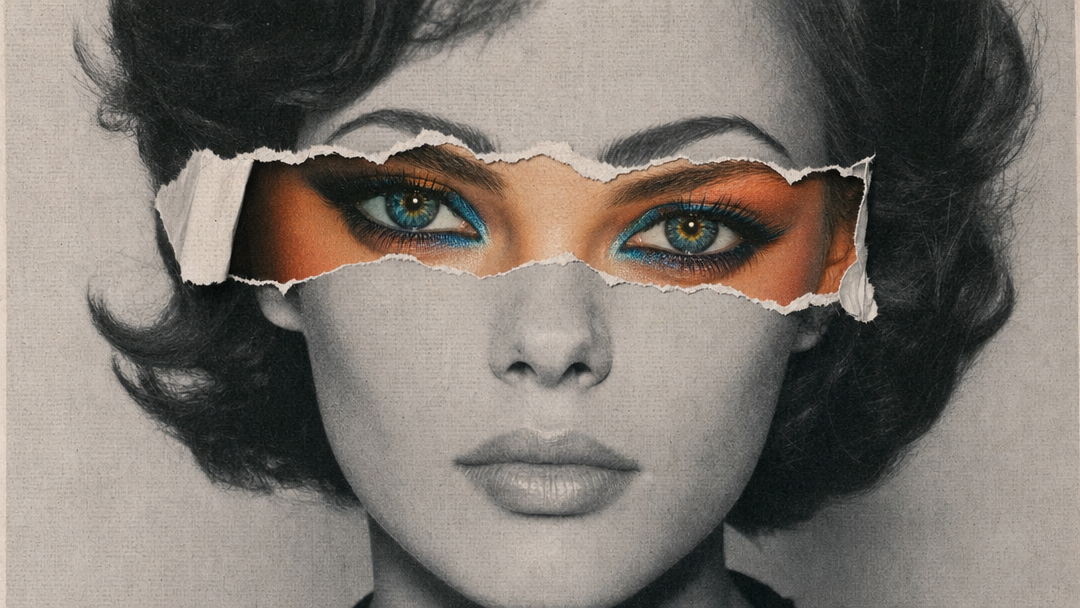
Turn Static Frames Into Looping Motion: Cinemagraph LoRA
Cinemagraph LoRA for LTX-2.3: animate a single element while everything else stays perfectly frozen. Generate seamless loops from one image and prompt.

The Best AI Video Workflow Guide & Tool Stack (2026)
Stop losing time to tool-switching and handoffs. Learn how to build an AI video workflow that takes your project from concept to export in one place.
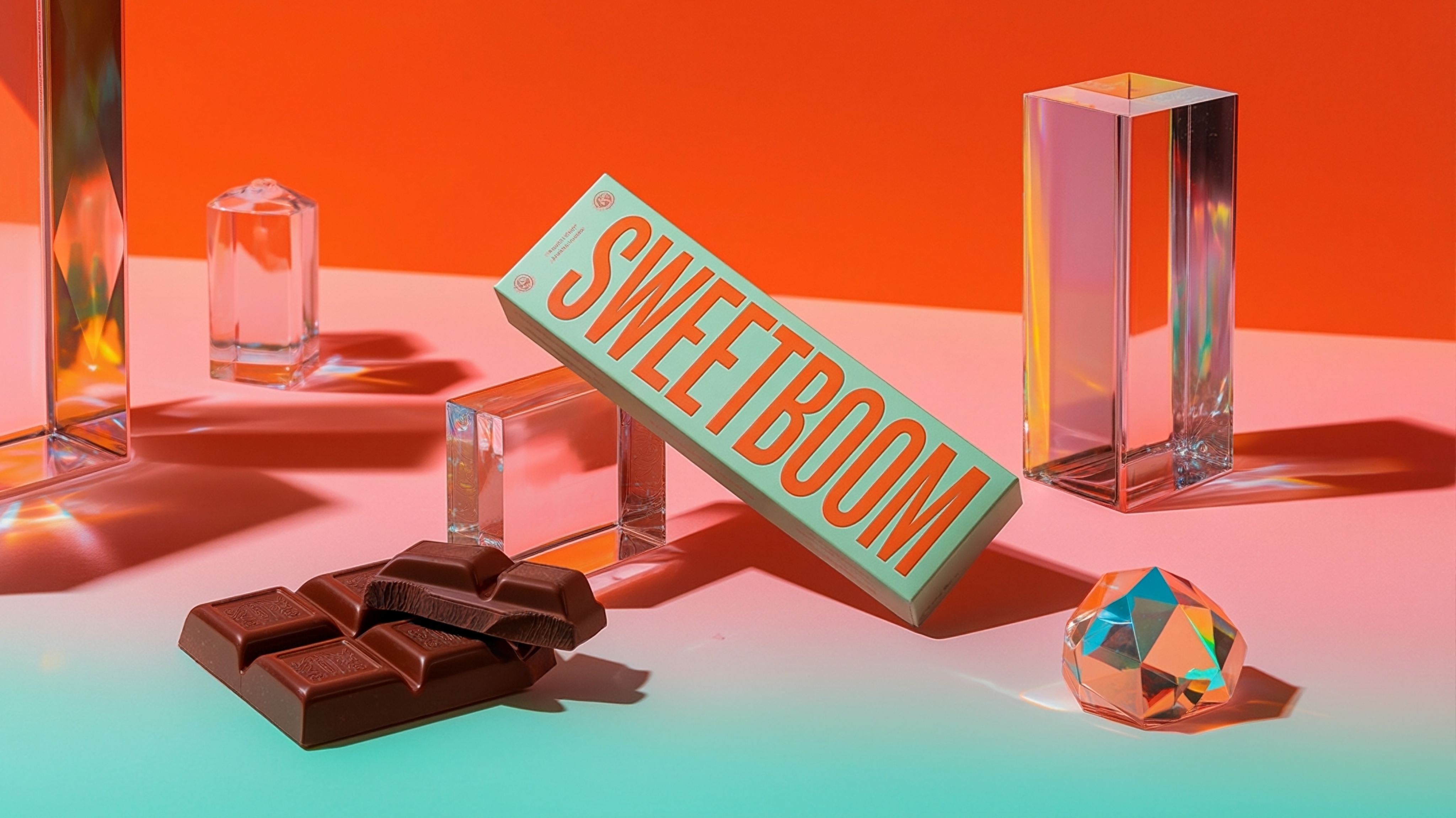
How To Use AI Videos To Increase Sales In 2026
How sales teams use AI video to drive conversions at every funnel stage — and why LTX Studio is the only tool that covers the full production workflow.

AI Image Trends In 2026: Best AI Image Trends
Explore the biggest AI image trends of 2026. See what’s shaping visual creation and learn how to use these trends to elevate your content.

How Agency Can Create Cinematic Ads At Scale In 2026
Discover how agencies produce cinematic ads at scale without traditional production limits. See real examples and learn how LTX enables cinematic storytelling.

Kling 3.0 AI Video Generator: How To Use It Today
Kling 3.0 Pro is now in LTX Studio — generate cinematic AI video up to 15 seconds with multi-shot generation and director-style prompting.

How to Scale Creative Output Without Losing Brand Control
Scaling creative output and maintaining brand control feel like a trade-off. They're only a trade-off if your process makes them one.

Designing Workflows for Iteration, Not Damage Control
Every creative team iterates. The question is whether your revisions are strengthening the work or just fixing problems that were always preventable.

How to See Ideas Before Committing Budget
The bold idea didn't die because stakeholders hated it. It died because they couldn't see it clearly enough to say yes.

What "Working Smarter" Actually Means for Creative Teams
Your team isn't the problem. The problem is where all that effort is going. Here's what working smarter actually means.

Hard Work vs. Smart Work: Redesigning Creative Systems for Modern Demands
Your team is working harder than ever. So why does every project feel like firefighting? It's not effort—it's the system demanding heroics.

Brand Compromises Under Pressure: Why 'Good Enough' Becomes the Default
Your brand standards are clear. So why does every tight deadline lead to compromises? It's not about discipline—it's about process.

How Fragmented Workflows Break Alignment (Not Just Efficiency)
Every tool switch loses a piece of your creative vision. By the time it reaches final delivery, the work barely resembles what you started with.

Iteration vs. Rework: How to Tell the Difference (And Why It Matters)
Your team calls it "iteration." But if you're rebuilding instead of refining, you're doing rework and it's costing you time and budget.

Why Creative Alignment Fails (And How to Fix It Before Production Starts)
Everyone said "looks good" in the concept meeting. So why is the first draft wrong? Alignment fails when it happens in the wrong format.

How To Use AI Videos & Images For AI Prototyping
How product and design teams use AI prototyping to validate concepts faster — with LTX Studio's image generation, storyboards, and video tools.

LTX Studio Plans Explained: How To Pick The Right One
A full breakdown of every LTX Studio pricing plan — what's included, what each tier unlocks, and how to choose the right one for your workflow.

How To Create Ads With AI In 2026
How to use AI for ad creation in 2026 — from video and static image production to creative testing loops that turn performance data into better campaigns.

How To Use AI For UX & UI In 2026
How UX and UI designers are using AI in 2026 to speed up research, prototyping, and visual ideation — and where LTX Studio fits in the workflow.

AI Art Prompts: Examples & Prompt Guide
How to write AI art prompts that actually work — covering subject, style, lighting, mood, and composition with examples across image and video.

Nano Banana Pro Prompt Guide: Best Nano Banana Prompts
Discover Nano Banana Pro AI image generation. Learn prompting tips, features, and techniques to create high-quality visuals fast and efficiently.

Creative Team Productivity in the AI Era: Meeting Higher Expectations with Limited Resources
Production got faster with AI. So leadership expects 3x more output—same budget, same team size. Here's why that's breaking.

Creative Workflow Tools: Why 10-15 Platforms Slow Teams Down
Your team uses 10-15 tools to ship one video. Each platform switch loses context, wastes time, and dilutes your creative vision.

How to Scale Creative Output Without Sacrificing Brand Quality
Your brand looked perfect at low volume. Then scale killed consistency. Here's why that trade-off isn't permanent—and what's changing.

Video Production Costs: Why Late-Stage Changes Cost 10x-100x More
That 'small' post-production change just cost 100x more. It's not bad luck—it's predictable. Here's why and how to prevent it.

The Creative Efficiency Paradox: When Output Can't Keep Pace with Demand
Your team has more AI tools than ever. So why are you shipping less? The creative efficiency paradox is real—and fixable.

How To Generate Video From Audio In LTX
Tired of inconsistent AI voices? Audio-to-Video keeps your dialogue stable across every generation. Here's how to use it.

FLUX.2 Prompting Guide: Best FLUX.2 Prompts
Master FLUX.2 AI image generation with expert prompting techniques. Learn to craft effective prompts for stunning, high-quality visuals in seconds.

LTX Storyboard Generator Update: From Script to Storyboard, Faster
Our Storyboard Generator has been rebuilt for speed and creative control. Turn your script into shot-by-shot visuals at 5x the speed.


AI In Education: How To Use AI Effectively In Education
A clear guide to AI in education. See how to apply AI tools and techniques to support educators, streamline tasks, and improve student learning.

Veo 3.1 Prompt Guide: Best Veo 3.1 Prompts
Explore the best Veo 3.1 prompts. Learn how to craft clear, effective prompts to generate high-quality AI videos with Google’s Veo 3.1.

FLUX.2 Pro vs Nano Banana Pro
Compare FLUX.2 Pro and Nano Banana Pro to see which AI model is best. Explore differences in style, accuracy, features, and ideal use cases.

AI In The Fashion Industry: How To Use AI Photos & Videos For Fashion
Discover how AI transforms fashion marketing with professional photos and videos—no photoshoots required.

Retake: Redirect Any Shot Without Starting Over
The first AI directing tool that lets you rephrase dialogue, reshape emotion, and redirect any moment—without regenerating the entire shot.

FLUX.2: What It Is & How To Use It In LTX
Discover FLUX.2, the next-gen text-to-image model in LTX Studio that delivers 4MP realism, faster creation, and unmatched control for professional creators.

Nano Banana Pro: Advanced Image Generation, Now in LTX Studio
Google's latest image model brings faster generation, sharper visuals, and smarter reasoning to LTX Studio for precision-driven creative workflows.
